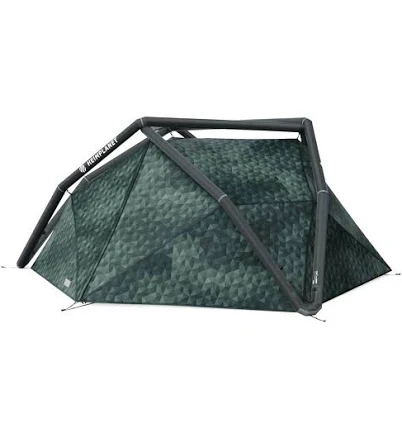
Heimplanet · Camping Tents & Tarps
Heimplanet Kirra
Elevated PFAS concern. water-repellent coating-coated nylon without disclosed coating type or certification.
This nylon ripstop tent fabric has a water-repellent coating of unspecified chemistry. Heimplanet has no PFAS statement on record. The brand holds no third-party certifications that would verify coating chemistry.
Still want this one anyway? Check the price on Amazon. We’d swap it.
Material
Nylon ripstop with water-repellent coating water-repellent coating (type unspecified)
Brand disclosure
Brand is silent on PFAS
Lab data
No public lab test
What Heimplanet Kirra is made of, ingredients and materials
The Kirra uses nylon ripstop fabric, a lightweight polyamide weave with a woven reinforcement grid that resists tears and is standard for camping tents. The critical unknown is the water-repellent coating (water-repellent coating) coating applied to the nylon; water-repellent coating treatments historically relied on long-chain PFOA or PFOS variants, though some manufacturers have shifted to short-chain or fluorine-free alternatives without public disclosure. Heimplanet does not specify its water-repellent coating chemistry, which is the primary exposure concern beyond the inert base fabric.
What’s concerning
Category baseline
The starting point for this type of product, before anything specific to this product is counted.
No PFAS disclosure
No public statement from the brand about PFAS in this product.
Waterproof / stain-resistant treatment
Water-repellent coating treatments have historically used PFAS.
water-repellent coating composition (fluorinated compounds)
Heimplanet does not disclose whether the Kirra's water-repellent coating uses legacy PFOA/PFOS, short-chain fluorinated alternatives (PFBS, GenX), or fluorine-free treatments. Nylon ripstop tents manufactured before 2020 were very likely treated with long-chain PFAS; recent batches are ambiguous without brand confirmation.
Nylon fabric off-gassing
New synthetic tents may release volatile organic compounds (VOCs) from the nylon and adhesives during initial cure; this is temporary and not unique to Heimplanet but should be aired out before sleeping in poorly ventilated spaces.
Coating degradation and microparticle shedding
As water-repellent coating coatings wear over years of use and washing, flaking or fine particulate shedding can occur. If the coating contains PFAS, degradation increases potential for low-level contact with skin or abrasion during packing and unpacking.
Mold and bacterial growth (maintenance-related)
If stored wet or in damp conditions, nylon fabric itself does not biodegrade, but mold and mildew can colonize the surface and seams. This is a use and storage issue, not a manufacturing hazard, but relevant to user safety during repeated exposure.
What’s reassuring
Adhesives and seam tape
Nylon tent construction uses polyurethane seam sealing and adhesives that are generally low-hazard in finished state, though formulation details are not publicly available for the Kirra.
The full breakdown
The brand's record and disclosure
Heimplanet maintains minimal public transparency on materials and chemical inputs; the company does not disclose water-repellent coating suppliers, coating composition, or testing results on its website or product documentation. No third-party certifications (e.g., bluesign, GOTS, OEKO-TEX) are listed for the Kirra model. The brand has not publicly committed to PFAS phase-out timelines or alternative coatings, leaving users unable to assess fluorine content. This silence is notable in a category where competitors increasingly market PFAS-free options.
How it compares in its category
Most mainstream tent brands (Big Agnes, MSR, REI Co-op) now offer PFAS-free or PFAS-reduced water-repellent coating models and explicitly state this. Heimplanet's lack of disclosure positions it as less transparent than premium alternatives but typical of mid-range European tent makers who have not yet publicized coating chemistry. Nylon ripstop base material itself presents hazard levels comparable to polyester or other synthetics; the hazard variance lies entirely in the water-repellent coating treatment applied. Users prioritizing lowest-PFAS options will find clearer choices elsewhere.
If you buy it
Allow 24-48 hours of off-gassing in open air after purchase before first use in enclosed spaces (car, tent vestibule); nylon coatings can emit slight chemical odor initially. Store in a cool, dry place away from direct heat; sustained temperatures above 65C (150F) may degrade the water-repellent coating faster, though nylon itself remains stable. Wash sparingly with cool water and mild soap only; standard waterproofing treatments sold in stores often contain additional fluorinated chemicals, so avoid re-coating unless absolutely necessary. Expect gradual loss of water-repellency over 2-5 years depending on UV exposure and use frequency, which is normal and does not indicate safety failure.
What we don’t know
- Basis
- Model estimate, 45% confidence, not a lab result
- Lab test
- None on record for this exact product
- Brand statement
- Heimplanet has made none
Formulations change between production runs, so check the current label. How we grade.
More camping tents & tarps grades
How we score, every product runs through the same public 0-100 rubric based on materials, coatings, brand disclosure, lab findings, and recalls. See the full methodology → Spotted a mistake? Report an error.