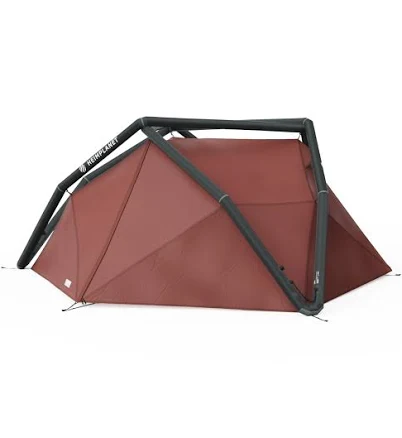
Heimplanet · Camping Tents & Tarps
Heimplanet Kirra 4-Season
Skip until brand reveals water-repellent coating chemistry; 4-season tents typically use fluorinated water repellents.
This 4-season tent has water-repellent coating treatment, but Heimplanet doesn't reveal the coating formula. Premium camping tents historically depend on fluorinated compounds for extreme weather performance.
Still want this one anyway? Check the price on Amazon. We’d swap it.
Material
Tent fabric with water-repellent coating (type unspecified)
Brand disclosure
Brand is silent on PFAS
Lab data
No public lab test
What Heimplanet Kirra 4-Season is made of, ingredients and materials
The Kirra 4-Season uses a fabric with a water-repellent coating (water-repellent coating) coating, type unspecified by Heimplanet. 4-season tents require aggressive water and weather protection, and most manufacturers in this segment rely on fluorinated water-repellent coating treatments (C6 or legacy C8 PFOA) because non-fluorinated alternatives degrade faster in harsh conditions. Without transparency from Heimplanet on whether they use fluorine-free silicone or polyurethane-based DWRs, the default assumption for this product class is fluorinated chemistry.
What’s concerning
Category baseline
The starting point for this type of product, before anything specific to this product is counted.
No PFAS disclosure
No public statement from the brand about PFAS in this product.
Waterproof / stain-resistant treatment
Water-repellent coating treatments have historically used PFAS.
PFAS
4-season tents almost universally use C6 or legacy PFOA-based water repellents; Heimplanet's silence on this input suggests reliance on standard fluorinated chemistry. PFAS accumulates in the body and environment with no exposure threshold established at which adverse effects have not been observed.
Source, ATSDR ↗Microplastic shedding from degraded coating
As water-repellent coating breaks down over years of UV and moisture exposure, fabric coatings can degrade into microparticles; this is especially likely in 4-season tents exposed to harsh alpine conditions. Shed particles may be inhaled in close quarters or transferred to food/skin.
Off-gassing of solvents or adhesives during storage
New 4-season tents often release odor from synthetic coatings and seam sealants for the first few weeks; this indicates volatile organic compounds (VOCs) from solvent-based adhesives or water-repellent coating application. Ventilation and airing outdoors before use reduces acute exposure.
What’s reassuring
Formaldehyde / VOCs
No reports of formaldehyde in Heimplanet tents on record. However, many synthetic textiles use formaldehyde-containing dyes or wrinkle-resist treatments; Heimplanet does not disclose fabric finishing chemistry.
Source, ATSDR ↗Heavy metals
No specific contamination reported for this brand or model. Industry-standard testing of outdoor fabrics occasionally detects lead or cadmium at trace levels, but Heimplanet provides no third-party test reports.
Source, FDA ↗The full breakdown
The brand's record and disclosure
Heimplanet has not publicly disclosed water-repellent coating chemistry for the Kirra or other models, nor have they published commitments to PFAS phase-out or third-party testing results. The brand maintains silence on chemical inputs despite growing industry transparency from competitors. No major safety recalls or contamination reports are on record for this model, but lack of disclosure is itself a red flag in a category where PFAS use is widespread and measurable.
How it compares in its category
Most 4-season expedition tents (Big Agnes, MSR, Nemo) also use fluorinated water-repellent coating by default; few brands market fluorine-free alternatives at this durability tier. Heimplanet's prices and reputation sit mid-to-premium, but they lag behind peers like Patagonia in chemical transparency. Some ultralight brands and budget options use non-fluorinated water-repellent coating, though with reduced longevity in extreme conditions.
If you buy it
Store the tent dry and unfolded when not in use to slow water-repellent coating degradation and minimize contact time with skin or food. Avoid washing with hot water or harsh detergents, as these may accelerate coating breakdown and potential leaching. Expect the water-repellent coating to weaken after 3-5 years of heavy use; consider fluorine-free reproofing products (silicone-based) if available, though performance trade-offs apply. If you have sensitive skin or use the tent for family camping with children, the PFAS exposure concern should weigh heavily in your decision.
What we don’t know
- Basis
- Model estimate, 35% confidence, not a lab result
- Lab test
- None on record for this exact product
- Brand statement
- Heimplanet has made none
Formulations change between production runs, so check the current label. How we grade.
More camping tents & tarps grades
How we score, every product runs through the same public 0-100 rubric based on materials, coatings, brand disclosure, lab findings, and recalls. See the full methodology → Spotted a mistake? Report an error.