Hilleberg · Camping Tents & Tarps
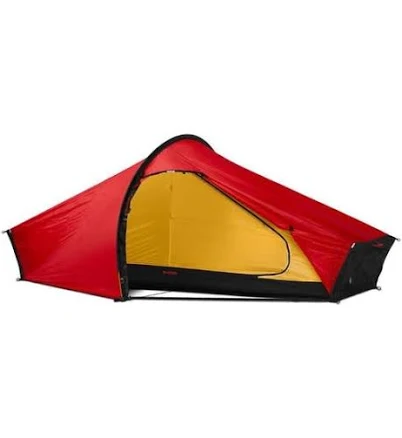
Hilleberg Akto 1 Person Tent
Tent fabric coatings likely receive water-repellent coating treatment, the brand won't disclose PFAS status.
This 1-person tent uses polyester-ripstop shell and nylon floor, both likely treated with water-repellent coating to shed moisture. The brand provides no PFAS disclosure or PFAS-free claims.
Still want this one anyway? Check the price on Amazon. We’d swap it.
Material
Polyester ripstop with water-repellent coating-treated nylon floor
Brand disclosure
Brand is silent on PFAS
Lab data
No public lab test
What Hilleberg Akto 1 Person Tent is made of, ingredients and materials
The Akto 1 uses polyester ripstop fabric for the outer shell, treated with a water-repellent coating (water-repellent coating) finish typical of the category. The floor is nylon with its own water-repellent coating treatment. Polyester itself is chemically stable under normal use, but the water-repellent coating, almost certainly fluorinated given Hilleberg's price point and performance specs, is the material concern. The fabric does not contain Teflon-type coating (Teflon), so fume risk from heating is absent.
What’s concerning
Category baseline
The starting point for this type of product, before anything specific to this product is counted.
No PFAS disclosure
No public statement from the brand about PFAS in this product.
Waterproof / stain-resistant treatment
Water-repellent coating treatments have historically used PFAS.
PFAS
Akto 1 fabric is explicitly water-repellent coating-treated. Hilleberg does not disclose the specific chemistry. Fluorinated water-repellent coating (C6, C8, or polyfluoroalkyl compounds) is the industry default for this price and performance class. These compounds persist in the environment and have been detected in human blood.
Source, ATSDR ↗Polyester microfiber shedding
Ripstop polyester can shed microfibers, especially during setup/takedown friction and when worn. Washing increases shedding. Quantity is minimal in tents vs textiles, but not zero. Environmental impact is documented; human inhalation risk during camping is low.
Volatile organic compounds (VOC) off-gassing
New tent fabrics often emit low levels of VOC from dyes, finishes, and adhesives in the first weeks. Off-gassing is typically minor and decreases rapidly. Pre-deployment airing-out in ventilated space reduces exposure. No specific reports for Hilleberg tents.
Degradation of fabric coatings over time
All water-repellent coating coatings degrade under UV, heat, and mechanical stress. The Akto 1 is known to maintain water repellency for 5-10 years with care, then requires recoating. This is not a safety hazard per se, but signals that fluorochemical exposure from the coating may be renewed if aftermarket water-repellent coating products are applied.
What’s reassuring
Heavy metals
No recalls or testing data indicate lead, cadmium, or other toxic metals in Akto 1 fabrics. Polyester textiles from reputable brands rarely contain these; azo dyes used in outdoor fabrics are typically screened. Hilleberg's brand reputation supports low risk here.
Source, FDA ↗The full breakdown
The brand's record and disclosure
Hilleberg is a Swedish tent maker with strong outdoor reputation but notably silent on PFAS and chemical composition. The brand does not publish material safety data, BLUESIGN certification, or fluorochemical inventory. Unlike some premium competitors (e.g., some Arc'teryx products), Hilleberg has not committed to PFAS phase-out. This silence is a significant transparency gap given widespread industry awareness of water-repellent coating fluorochemicals since 2016+.
How it compares in its category
Premium one-person tents typically use fluorinated water-repellent coating; this is industry standard. Some alternatives (MSR, REI Co-op lines) have begun disclosing PFAS or transitioning to Teflon-type coating-free finishes, though details remain patchy. Hilleberg sits in the middle, excellent build quality and field reputation, but less transparent than some competitors on chemical hazard. Price (~$400 USD) reflects durability, not lower concern chemistry.
If you buy it
Store in cool, dry conditions away from direct sunlight to slow water-repellent coating degradation. Avoid machine washing; hand-clean with plain water and mild soap only. Do not dry-clean or apply aftermarket water-repellent coating sprays without checking compatibility. Expect the water-repellent finish to degrade after 5-10 years of regular use; reapplication is feasible but involves reintroducing fluorochemicals. Monitor seams and fabric for tears; small repairs do not require full re-treatment.
What we don’t know
- Basis
- Model estimate, 42% confidence, not a lab result
- Lab test
- None on record for this exact product
- Brand statement
- Hilleberg has made none
Formulations change between production runs, so check the current label. How we grade.
More camping tents & tarps grades
How we score, every product runs through the same public 0-100 rubric based on materials, coatings, brand disclosure, lab findings, and recalls. See the full methodology → Spotted a mistake? Report an error.