Hilleberg · Camping Tents & Tarps
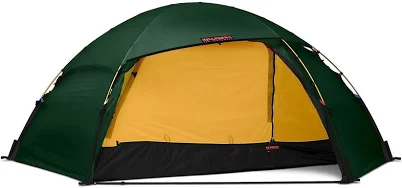
Hilleberg Allak 2 Person Tent
Moderate PFAS concern from tent waterproofing, the brand won't disclose coating chemistry.
This 2-person tent has polyester with water-repellent treatment standard for outdoor tents. The brand hasn't disclosed whether their water-repellent coating contains PFAS or confirmed PFAS-free options.
Still want this one anyway? Check the price on Amazon. We’d swap it.
Material
Polyester tent fabric with water-repellent coating (water-repellent coating) coating
Brand disclosure
Brand is silent on PFAS
Lab data
No public lab test
What Hilleberg Allak 2 Person Tent is made of, ingredients and materials
The Allak 2 uses polyester fabric as its primary material, which is inherently stable and does not leach plasticizers or BPA under normal camping conditions. The critical component is the water-repellent coating (water-repellent coating) coating applied to the polyester. Hilleberg does not publicly disclose whether their water-repellent coating formulation uses fluorocarbon-based chemistry (which contains PFAS) or alternative non-fluorinated options. Polyester itself is non-toxic when intact, but the waterproofing treatment is where chemical exposure risk concentrates.
What’s concerning
Category baseline
The starting point for this type of product, before anything specific to this product is counted.
No PFAS disclosure
No public statement from the brand about PFAS in this product.
Waterproof / stain-resistant treatment
Water-repellent coating treatments have historically used PFAS.
PFAS
Hilleberg does not disclose water-repellent coating chemistry. Most polyester tent fabrics use fluorocarbon-based water-repellent coatings, which contain PFAS; however, no independent test results for this specific product are public. Risk is primarily environmental and long-term bioaccumulation, not acute toxicity during normal use.
Source, ATSDR ↗Polyester fiber degradation and microfiber shedding
Extended UV exposure and abrasion can degrade polyester fabric, potentially releasing microfibers. This is a minor concern for a tent used seasonally; tents stored indoors and handled carefully shed negligible amounts of microplastics during normal use.
Bacterial or mold growth in damp storage
Storing the tent damp or in humid conditions can promote mold and bacterial growth on both fabric and water-repellent coating. This is a maintenance issue rather than an inherent product hazard; proper drying and storage prevent this entirely.
What’s reassuring
VOC off-gassing from adhesives and coatings
No reported off-gassing or odor complaints for Hilleberg Allak 2 are on record. The tent fabric and seam tape may have minor volatile emissions when new, but these are typical of the product category and dissipate within days of airing.
Formaldehyde / VOCs
Hilleberg polyester fabric is not typically treated with formaldehyde-releasing finishes. No evidence of formaldehyde contamination in Hilleberg tents is on record, and polyester does not require formaldehyde-based wrinkle resistance treatments.
Source, ATSDR ↗The full breakdown
The brand's record and disclosure
Hilleberg is a Swedish tent manufacturer with a strong reputation for durability and conservative design; the brand has been in operation since 1971 and is known for quality control. However, Hilleberg does not publicly disclose water-repellent coating chemistry or provide certifications (such as bluesign or GOTS) that would independently verify chemical safety. The company's silence on fluorocarbon content is typical of the outdoor gear industry but represents a missed opportunity for transparency. No recalls or safety incidents related to chemical exposure from Hilleberg tents are on record.
How it compares in its category
Most mainstream camping tents use fluorocarbon-based water-repellent coating coatings because they are highly effective and durable over many seasons; the Allak 2 sits in this conventional category. Some premium alternatives (e.g., certain models from Black Diamond or Big Agnes) have begun exploring or labeling non-fluorinated water-repellent coating options, though these remain minority choices. The Allak 2's waterproofing performance and durability are competitive for 3-season backpacking, and its PFAS concern level is consistent with typical industry practice rather than a distinguishing weakness. If PFAS exposure is a primary concern, requesting water-repellent coating documentation from the manufacturer is advisable before purchase.
If you buy it
Rinse the tent with water before first use to remove any loose chemical residues from manufacturing. Store the tent dry and unfolded when not in use; do not expose it to heat sources or extended direct sunlight, which can degrade polyester and water-repellent coating coatings. The water-repellent coating will degrade over years of use and exposure; reapply commercial water-repellent coating treatments (fluorocarbon or non-fluorinated) periodically to maintain water resistance. Avoid using harsh soaps or solvents for cleaning; gentle rinse with water is sufficient and preserves both the fabric and coating integrity.
What we don’t know
- Basis
- Model estimate, 45% confidence, not a lab result
- Lab test
- None on record for this exact product
- Brand statement
- Hilleberg has made none
Formulations change between production runs, so check the current label. How we grade.
More camping tents & tarps grades
How we score, every product runs through the same public 0-100 rubric based on materials, coatings, brand disclosure, lab findings, and recalls. See the full methodology → Spotted a mistake? Report an error.