Hilleberg · Camping Tents & Tarps
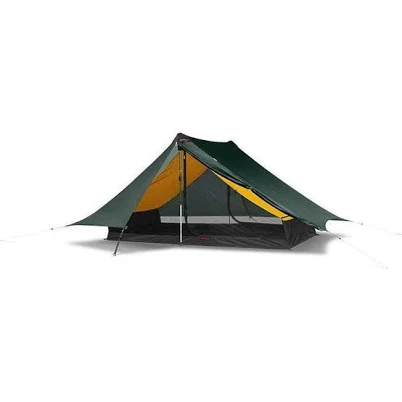
Hilleberg Anaris 2 Person Tent
The brand won't disclose PFAS status, tent waterproofing raises concern without public data.
This 2-person tent has durable polyester with a proprietary waterproof coating. The brand hasn't disclosed whether this coating contains PFAS or is PFAS-free.
Still want this one anyway? Check the price on Amazon. We’d swap it.
Material
Polyester ripstop with proprietary waterproof coating
Brand disclosure
Brand is silent on PFAS
Lab data
No public lab test
What Hilleberg Anaris 2 Person Tent is made of, ingredients and materials
The Anaris 2 uses polyester ripstop fabric with a proprietary waterproof coating system. Polyester itself is chemically stable and does not leach into food or skin contact; the risk lies entirely in the coating formulation. Hilleberg does not publicly disclose whether this coating contains PFAS compounds (perfluorinated chemicals commonly used in water-resistant textiles), which is typical silence across the tent industry. The coating's durability and performance are well-documented through user reviews and field testing, but the chemical composition remains proprietary.
What’s concerning
Category baseline
The starting point for this type of product, before anything specific to this product is counted.
No PFAS disclosure
No public statement from the brand about PFAS in this product.
Waterproof / stain-resistant treatment
Water-repellent coating treatments have historically used PFAS.
PFAS
Waterproof tent coatings frequently contain PFAS (water-repellent coating finishes); Hilleberg does not disclose its formula. This is a category-wide issue, not unique to this brand, but presence cannot be ruled out without direct testing or manufacturer confirmation.
Source, ATSDR ↗Volatile organic compounds (VOCs) from coating off-gassing
New tent coatings can release low levels of organic volatiles during initial storage and assembly. Hilleberg's proprietary coating composition is not disclosed, so specific VOC profiles are unknown; typical exposure is brief and minimal with normal ventilation.
Mold and bacterial growth in moist storage
If stored damp or in high-humidity conditions, the polyester fabric and coating can harbor mold or bacterial colonies. This is an environmental and maintenance risk, not a chemical one, and is entirely preventable with proper drying and storage practices.
What’s reassuring
Polyester fiber degradation and microplastic release
Polyester ripstop is mechanically and chemically stable under normal camping conditions. Microplastic shedding is negligible in tents compared to synthetic clothing because they are not subjected to friction, washing, or body heat; no documented risk for this product type.
Coating durability and leaching if damaged
Hilleberg's coating systems are renowned for longevity and repairability. Once damaged or degraded, exposure to moisture could theoretically activate leaching of coating residues, but this is a maintenance issue rather than an inherent chemical hazard; user reviews report 10+ years of reliable performance with proper care.
The full breakdown
The brand's record and disclosure
Hilleberg is a Swedish manufacturer with a strong reputation for durability, repairability, and environmental responsibility in marketing. The company does not publish PFAS testing data, ingredient disclosures, or certifications like Bluesign or GOTS on this product line. No public recalls or safety incidents are associated with Hilleberg tents. The brand's silence on PFAS mirrors industry-wide practice; no major tent manufacturer has proactively disclosed or eliminated PFAS from waterproof coatings at scale.
How it compares in its category
Most mainstream and premium tent brands (REI Co-op, MSR, Big Agnes, Nemo) use similar polyester ripstop with undisclosed waterproof coatings, placing Hilleberg in the industry norm rather than as a leader or laggard on transparency. Some budget alternatives use lower-quality PU (polyurethane) coatings that degrade faster and may off-gas more VOCs. Premium minimalist options using silnylon (nylon with silicone) exist but are rarer and more expensive; silicone coatings avoid PFAS but have their own trade-offs in weight and packability.
If you buy it
Ensure adequate ventilation when the tent is first set up indoors to allow any residual manufacturing volatiles to disperse; this is standard practice for all new textiles. Avoid prolonged direct flame or extreme heat near the fabric, as polyester can melt around 260 degrees Celsius. Store in a cool, dry location and allow complete drying before packing to prevent mold and fabric degradation. Repair small holes or coating damage promptly with Hilleberg's repair patches to extend the tent's life and prevent water ingress that could activate leaching pathways.
What we don’t know
- Basis
- Model estimate, 45% confidence, not a lab result
- Lab test
- None on record for this exact product
- Brand statement
- Hilleberg has made none
Formulations change between production runs, so check the current label. How we grade.
More camping tents & tarps grades
How we score, every product runs through the same public 0-100 rubric based on materials, coatings, brand disclosure, lab findings, and recalls. See the full methodology → Spotted a mistake? Report an error.