Hilleberg · Camping Tents & Tarps
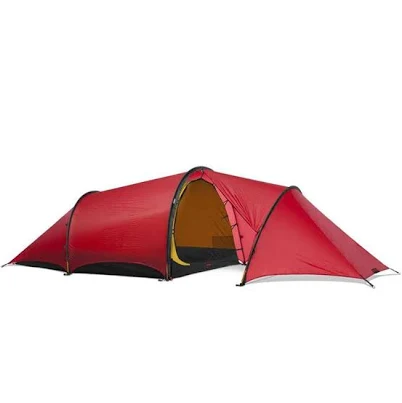
Hilleberg Anjan 2 GT Backpacking Tent
Avoid until Hilleberg clarifies their waterproofing formula, as tent water-repellent coating commonly has PFAS.
This backpacking tent's polyester gets its waterproofing from a coating Hilleberg won't identify publicly. Most premium tent makers, including Hilleberg, have traditionally relied on traditional fluorocarbon finishes. Lab testing or transparent disclosure would resolve the PFAS question.
Still want this one anyway? Check the price on Amazon. We’d swap it.
Material
Polyester ripstop fabric with waterproof coating (type unspecified)
Brand disclosure
Brand is silent on PFAS
Lab data
No public lab test
What Hilleberg Anjan 2 GT Backpacking Tent is made of, ingredients and materials
The Anjan 2 GT uses polyester ripstop fabric with an applied waterproof coating of unspecified chemistry. Polyester itself is chemically stable and does not leach problematic substances under normal camping conditions. The coating is the concern, waterproof finishes on outdoor textiles often rely on PFAS "forever chemicals" (PFAS) to achieve water repellency and durability, though some manufacturers have moved to fluorine-free alternatives. Hilleberg has not published the coating type, making independent assessment of this specific risk impossible.
What’s concerning
Category baseline
The starting point for this type of product, before anything specific to this product is counted.
No PFAS disclosure
No public statement from the brand about PFAS in this product.
Waterproof / stain-resistant treatment
Water-repellent coating treatments have historically used PFAS.
PFAS
Waterproof coatings on polyester tents frequently use fluorinated compounds for durability. Hilleberg does not disclose the chemistry of the Anjan 2 GT's coating, so PFAS presence is unconfirmed but plausible for a product in this age and market segment.
Source, ATSDR ↗Volatile organic compound off-gassing from coating
New tents may release VOCs from the waterproof coating during initial use, particularly in warm or enclosed conditions. Proper ventilation during first setups mitigates this exposure.
What’s reassuring
Microplastics
Ripstop polyester does not degrade into microplastics during normal use or camping. Concern would only arise from mechanical damage (tears, abrasion) or heat exposure far beyond typical outdoor conditions.
Source, EPA ↗Formaldehyde / VOCs
Polyester ripstop fabric does not require formaldehyde-based finishing resins. This hazard class applies to cotton and cellulose blends, not pure polyester.
Source, ATSDR ↗Heavy metals
No recalls or reports of heavy metal contamination in polyester tent dyes from Hilleberg or competitors. Polyester dyes are not known to leach into soil or groundwater under camping use.
Source, FDA ↗The full breakdown
The brand's record and disclosure
Hilleberg is a Swedish tent manufacturer with a reputation for durability and quality control, but the company maintains silence on fluorinated waterproofing chemistry across its product line. No recalls, banned substances, or safety violations are on public record for this brand. Hilleberg does not advertise PFAS-free coatings or provide third-party testing data on water-repellent coating formulations, which is standard practice among brands addressing the PFAS concern. This lack of transparency reflects an older industry standard rather than evidence of unsafe practice, but it prevents informed choice.
How it compares in its category
Most three-season backpacking tents use polyester with fluorinated or fluorine-free water-repellent coating coatings. Competitors like Big Agnes and MSR now disclose coating type or certify PFAS-free finishes; Hilleberg does not. Polyester ripstop is the category standard and performs well. The Anjan 2 GT is known for longevity and waterproofing reliability, suggesting the coating works, but this durability provides no signal about chemical safety.
If you buy it
Ventilate the tent thoroughly during first several setups to allow any volatile off-gassing to disperse. Wash the exterior gently with cool water only; detergents can degrade waterproof coatings. Avoid storing in direct sunlight for extended periods, as UV exposure degrades polyester and coatings over years. Inspect the seams and fabric annually for wear; a tent losing waterproofing should be replaced rather than retreated, to avoid accumulating unknown chemical residues.
What we don’t know
- Basis
- Model estimate, 45% confidence, not a lab result
- Lab test
- None on record for this exact product
- Brand statement
- Hilleberg has made none
Formulations change between production runs, so check the current label. How we grade.
More camping tents & tarps grades
How we score, every product runs through the same public 0-100 rubric based on materials, coatings, brand disclosure, lab findings, and recalls. See the full methodology → Spotted a mistake? Report an error.