Hilleberg · Camping Tents & Tarps
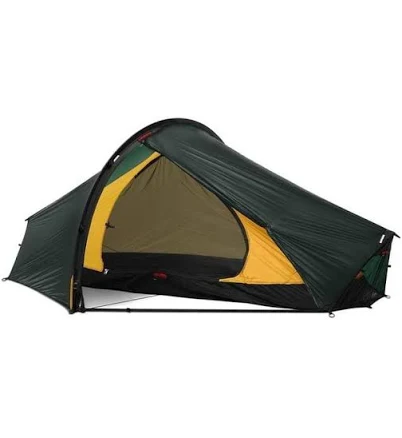
Hilleberg Enan 1-Person Camping Tent
Higher PFAS risk from the waterproof coating with no brand transparency on chemistry.
This tent uses water-repellent coating-treated polyester, a common source of PFAS in outdoor gear. The brand won't disclose coating chemistry or confirm PFAS-free materials.
Still want this one anyway? Check the price on Amazon. We’d swap it.
Material
Polyester tent fabric with water-repellent coating (water-repellent coating) coating
Brand disclosure
Brand is silent on PFAS
Lab data
No public lab test
What Hilleberg Enan 1-Person Camping Tent is made of, ingredients and materials
The Enan 1 uses polyester fabric with a water-repellent coating (water-repellent coating) coating to shed rain and maintain breathability. Polyester itself is stable and does not off-gas formaldehyde or volatile organics under normal camping conditions. The water-repellent coating finish is the material concern, Hilleberg does not publicly disclose whether this coating uses PFAS-based or fluorocarbon-free chemistry, leaving the fluorinated compound risk unquantified.
What’s concerning
Category baseline
The starting point for this type of product, before anything specific to this product is counted.
No PFAS disclosure
No public statement from the brand about PFAS in this product.
Waterproof / stain-resistant treatment
Water-repellent coating treatments have historically used PFAS.
PFAS
Polyester water-repellent coating coatings commonly use PFAS-based chemistry; Hilleberg does not disclose formulation, making fluorinated compound exposure probable during setup, use, and storage in enclosed spaces.
Source, ATSDR ↗Coating degradation and potential leachates
Over years of UV exposure and thermal cycling, water-repellent coating coatings can flake or degrade; if the underlying fluorinated resin is compromised, small particles or residues could contact skin or be inhaled, though risk is low in outdoor-only use.
Microbial growth from moisture retention
If tent is stored wet or not fully dried between trips, polyester fabric can harbor mold and bacteria; this is a maintenance issue, not a material hazard, but can cause respiratory irritation.
What’s reassuring
Formaldehyde / VOCs
Polyester tent fabric may contain trace formaldehyde from manufacturing resins, but camping tents are not routinely treated with formaldehyde-releasing finishes (unlike some apparel), so significant off-gassing is not documented for this product.
Source, ATSDR ↗Lead
No recalls or testing data suggest lead or cadmium in the fabric dyes or coatings of this model; polyester tent dyes are typically azo or reactive, which are regulated in most markets.
Source, ATSDR ↗The full breakdown
The brand's record and disclosure
Hilleberg is a Swedish premium tent manufacturer with a reputation for durability and quality control, but maintains near-total silence on chemical composition and water-repellent coating formulation. The company has not published material safety data sheets, chemical certifications, or commitments to PFAS alternatives despite growing industry transparency trends. No major product recalls or contamination incidents are on record for this model.
How it compares in its category
Premium camping tents typically use polyester with either PFAS-based or fluorocarbon-free water-repellent coating coatings. Hilleberg's refusal to disclose formulation places it behind brands like MSR and Big Agnes, which publicly commit to PFAS-free or reduced-fluorine alternatives. Budget alternatives may use non-fluorinated water repellents but sacrifice durability; the Enan's longevity record is a trade-off.
If you buy it
Avoid prolonged direct contact with the inner coating; ensure adequate ventilation to minimize any vapor inhalation during use. Clean and store dry after trips to prevent mold and bacterial growth in folds. Do not machine wash or apply heat above 60°C (140°F) as this may degrade the water-repellent coating finish and potentially increase leaching. When durability fails (seams leak, coating flakes), replace rather than repair extensively; disposal through standard textile recycling is acceptable.
What we don’t know
- Basis
- Model estimate, 45% confidence, not a lab result
- Lab test
- None on record for this exact product
- Brand statement
- Hilleberg has made none
Formulations change between production runs, so check the current label. How we grade.
More camping tents & tarps grades
How we score, every product runs through the same public 0-100 rubric based on materials, coatings, brand disclosure, lab findings, and recalls. See the full methodology → Spotted a mistake? Report an error.