Hilleberg · Camping Tents & Tarps
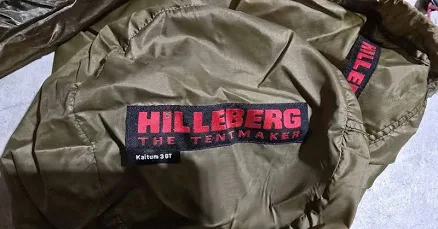
Hilleberg Kaitum 3 Gt 4 Season Tent W/ Hilleberg Footprint. Excellent
Hilleberg silent on PFAS status; fluorocarbon water-repellent coating common in tents, unconfirmed here.
This premium 4-season tent pairs nylon ripstop with a waterproof coating whose formula Hilleberg refuses to disclose. Most outdoor tents have traditionally used fluorocarbon-based water repellents, though some brands now offer PFAS-free versions available.
Still want this one anyway? Check the price on Amazon. We’d swap it.
Material
Nylon ripstop fabric with waterproof coating (unspecified water-repellent coating treatment)
Brand disclosure
Brand is silent on PFAS
Lab data
No public lab test
What Hilleberg Kaitum 3 Gt 4 Season Tent is made of, ingredients and materials
The Kaitum 3 GT uses nylon ripstop fabric treated with a waterproof water-repellent coating (water-repellent coating) coating; the specific chemistry is not stated by Hilleberg. High-end tent fabrics typically use either fluorocarbon-based (PFAS-containing) or fluorocarbon-free water-repellent coating systems. Nylon itself is chemically inert when cured, but the coating applied during manufacturing is the variable that determines PFAS and VOC exposure during use and storage.
What’s concerning
Category baseline
The starting point for this type of product, before anything specific to this product is counted.
No PFAS disclosure
No public statement from the brand about PFAS in this product.
Waterproof / stain-resistant treatment
Water-repellent coating treatments have historically used PFAS.
PFAS
High-end nylon tent coatings commonly use fluorocarbon chemistry, but Hilleberg does not disclose this for the Kaitum 3 GT. PFAS in outdoor fabrics is primarily a concern if coating degrades, is burned, or off-gasses in warm enclosed spaces; normal use presents minimal acute exposure.
Source, ATSDR ↗Volatile organic compounds (VOC) off-gassing from water-repellent coating
New tent fabrics may off-gas solvent residues and coating components during initial use and storage; this is typical for treated nylon and usually dissipates after several days of airing. Enclosed, unventilated storage in warm conditions can intensify off-gassing smell and potentially increase inhalation exposure.
Coating degradation over time and use
All water-repellent coating coatings degrade with UV exposure, washing, and mechanical wear; Hilleberg tents are known for durable coatings, but reapplication of water-repellent coating treatments (often fluorocarbon-based or alternatives) may be needed after 5-10 years of use, requiring customer to choose replacement chemistry.
What’s reassuring
Nylon fabric integrity and microfiber shedding
Ripstop nylon does not break down into harmful microplastics during normal use or storage. Tears or abrasion can produce nylon fibers, but these pose no established chemical hazard; the risk is purely functional (waterproofing loss).
Adhesive or tape on seams and joints
Hilleberg tents use seam sealing tapes and adhesives that are not publicly detailed; no known recalls or complaints of toxic off-gassing or skin reactions from seam treatments on this model. Standard practice in the category is use of chemically stable, non-toxic sealants, but specifics are not disclosed.
The full breakdown
The brand's record and disclosure
Hilleberg is a Swedish manufacturer with a reputation for durability and quality control but does not publicly disclose water-repellent coating chemistry, PFAS content, or test certifications for this model. No major product safety recalls or contamination incidents are documented for Hilleberg tents. The brand's silence on fluorocarbon use is consistent with many outdoor fabric suppliers who do not routinely volunteer this information unless specifically requested.
How it compares in its category
Four-season expedition tents in this price range typically use fluorocarbon water-repellent coating coatings for durability in extreme conditions; lower-cost alternatives sometimes use wax or silicone-based treatments but with shorter lifespan. Hilleberg's lack of transparency on this point is typical for the premium segment, where marketing emphasizes performance over chemical disclosure. Competing brands like MSR and Big Agnes similarly do not routinely disclose water-repellent coating chemistry unless pushed by customer inquiry.
If you buy it
Store the tent in a cool, dry place away from direct sunlight to slow water-repellent coating degradation and off-gassing of any volatile components. Avoid heating the tent interior with external flames or high-temperature heaters, as this can accelerate coating breakdown and potential fume release. Inspect seams and coating annually for peeling or damage; if large areas of coating degrade, the waterproof function declines but the nylon base retains its structural integrity. Before purchase, email Hilleberg's customer service requesting explicit confirmation of whether the water-repellent coating treatment contains fluorocarbon compounds.
What we don’t know
- Basis
- Model estimate, 35% confidence, not a lab result
- Lab test
- None on record for this exact product
- Brand statement
- Hilleberg has made none
Formulations change between production runs, so check the current label. How we grade.
More camping tents & tarps grades
How we score, every product runs through the same public 0-100 rubric based on materials, coatings, brand disclosure, lab findings, and recalls. See the full methodology → Spotted a mistake? Report an error.