Hilleberg · Camping Tents & Tarps
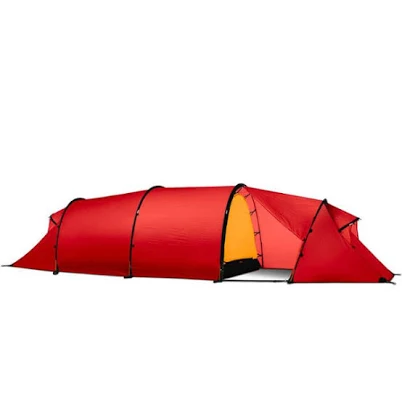
Hilleberg Kaitum 4 GT Tent
Hilleberg silent on water-repellent coating formula; assume standard PFAS treatment unless proven otherwise.
The Kaitum 4 GT combines durable polyester ripstop with a water-repellent treatment, but Hilleberg refuses to specify the coating's chemistry. Most tents at this level have traditionally used Teflon-type coating or PFAS-based water-repellent coating. No lab work or brand openness available.
Still want this one anyway? Check the price on Amazon. We’d swap it.
Material
Polyester ripstop with water-repellent coating (Teflon-type coating status undisclosed)
Brand disclosure
Brand is silent on PFAS
Lab data
No public lab test
What Hilleberg Kaitum 4 GT Tent is made of, ingredients and materials
The Kaitum 4 GT uses polyester ripstop fabric, a durable, lightweight weave resistant to tearing. The water-repellent coating (water-repellent coating) coating on the outer shell is the chemistry unknown, Hilleberg does not publicly disclose whether this uses legacy Teflon-type coating-based PFAS, newer C6 variants, or fluorine-free alternatives. Polyester ripstop itself is chemically inert under normal outdoor conditions, but the water-repellent coating treatment can degrade with UV, abrasion, and washing, potentially releasing particles.
What’s concerning
Category baseline
The starting point for this type of product, before anything specific to this product is counted.
No PFAS disclosure
No public statement from the brand about PFAS in this product.
Waterproof / stain-resistant treatment
Water-repellent coating treatments have historically used PFAS.
water-repellent coating degradation and particulate release
As polyester water-repellent coating coatings age under UV and mechanical abrasion, microparticles can shed. Direct inhalation risk is low in outdoor use, but abrading fabric near mouth/eyes or in close quarters (small tent) warrants caution. Specific data on Hilleberg water-repellent coating shedding rates is not publicly available.
Mold and bacterial growth in stored fabric
If stored damp or in high humidity, the polyester inner lining and nylon roof can harbor mold spores, particularly in the overlapping seams and fabric pockets. This is a maintenance issue, not a manufacturing defect, but relevant to long-term safety and breathability.
What’s reassuring
Teflon-type coating fume risk (if Teflon-type coating-based water-repellent coating used)
Polyester tents are not heated during normal use, so Teflon-type coating fume release seen in nonstick cookware overheating is not applicable. Risk is negligible unless fabric is directly exposed to flame or intense heat source.
Formaldehyde / VOCs
Polyester ripstop used in Hilleberg tents is not typically treated with formaldehyde-releasing resins (those are more common in wrinkle-resistant cotton textiles). No public data suggests formaldehyde in this product.
Source, ATSDR ↗Heavy metals
Hilleberg tents use solution-dyed polyester, which avoids surface azo dyes; solution dyeing embeds color in the fiber itself, lowering migration risk. No heavy metal contamination in polyester dyes is on record for this brand.
Source, FDA ↗The full breakdown
The brand's record and disclosure
Hilleberg is a Swedish tent manufacturer with a reputation for durability and quality control, but has not published detailed chemical safety data sheets or PFAS-avoidance commitments despite growing industry scrutiny of water-repellent coating coatings. No major recalls or contamination incidents are on public record for this model. The brand's silence on fluorochemical use is typical of the outdoor gear industry but falls short of transparency standards now common in apparel and sportswear.
How it compares in its category
Four-season tents like the Kaitum 4 GT typically use polyester with PFAS-based water-repellent coating as an industry standard for water and weather resistance. A few competitors (Nemo, some Big Agnes models) have begun disclosing PFAS-free or C6-reduced water-repellent coating options, but this transparency remains rare. The Kaitum sits in the middle of the market, established durability reputation but no chemical stewardship messaging.
If you buy it
Minimize contact between wet outer fabric and skin or gear during setup and breakdown; avoid recoating with aftermarket products unless explicitly PFAS-free. Do not allow children to chew or mouth the fabric. Wash sparingly with plain water; avoid detergents and heat that accelerate water-repellent coating breakdown. If water-repellent coating visibly degrades (water no longer beads), replace or retire rather than apply unknown treatments. Store dry to reduce mold growth risk in nylon interior.
What we don’t know
- Basis
- Model estimate, 45% confidence, not a lab result
- Lab test
- None on record for this exact product
- Brand statement
- Hilleberg has made none
Formulations change between production runs, so check the current label. How we grade.
More camping tents & tarps grades
How we score, every product runs through the same public 0-100 rubric based on materials, coatings, brand disclosure, lab findings, and recalls. See the full methodology → Spotted a mistake? Report an error.