Hilleberg · Camping Tents & Tarps
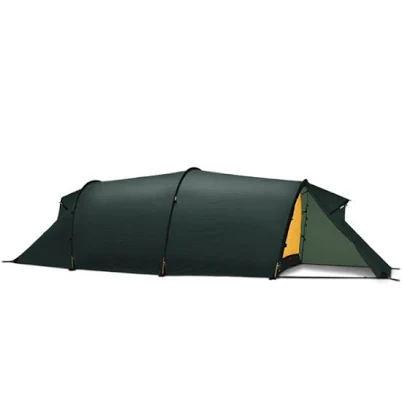
Hilleberg Kaitum 4P Tent
Polyester with water-repellent coating of undisclosed chemistry raises concern.
The Kaitum 4P has polyester fabric with a water-repellent coating. The coating chemistry is not stated. Water-repellent treatments have historically used PFAS. Hilleberg has no PFAS statement on record for this product.
Still want this one anyway? Check the price on Amazon. We’d swap it.
Material
Polyester fabric with water-repellent coating (water-repellent coating) coating
Brand disclosure
Brand is silent on PFAS
Lab data
No public lab test
What Hilleberg Kaitum 4P Tent is made of, ingredients and materials
The Kaitum 4P uses polyester fabric treated with a water-repellent coating (water-repellent coating) finish to shed water without pooling. Hilleberg does not publicly disclose whether this water-repellent coating treatment contains PFAS (PFAS "forever chemicals") or uses alternative fluorine-free chemistry. Polyester itself is stable under normal use, but the water-repellent coating is the potential chemical exposure point, especially during manufacturing, storage, or if fabric degrades over years of UV exposure and washing.
What’s concerning
Category baseline
The starting point for this type of product, before anything specific to this product is counted.
No PFAS disclosure
No public statement from the brand about PFAS in this product.
Waterproof / stain-resistant treatment
Water-repellent coating treatments have historically used PFAS.
PFAS
Hilleberg has not disclosed water-repellent coating chemistry. Many polyester tent coatings historically use PFOA or Teflon-type coating-based treatments; newer alternatives exist but are not confirmed for this model. Exposure risk is low during normal camping use but higher during manufacturing and storage.
Source, ATSDR ↗water-repellent coating degradation and leaching
Water-repellent coating treatments degrade with age, UV exposure, and repeated washing. As coating breaks down, residual fluorochemicals or other treatment additives may leach into soil or water near the tent site. Hilleberg does not specify coating lifespan or re-treatment intervals.
What’s reassuring
Microplastics
Polyester tents can shed fibers over time, especially if fabric is abraded or washed. No specific recalls or studies document problematic shedding from Hilleberg tents, but this is a general property of synthetic textiles in outdoor use.
Source, EPA ↗Formaldehyde / VOCs
Polyester fabric may use formaldehyde-based resins or other chemical finishes during manufacturing. Hilleberg does not disclose finish specifications. Risk is minimal after drying and air-out, but new tents may off-gas slightly during first use or storage.
Source, ATSDR ↗Heavy metals
Polyester dyes can contain heavy metals (e.g., cadmium, lead) but are tightly bound in modern fabric. No recalls or test failures are known for Hilleberg tents. Risk to users is negligible; environmental release during manufacturing or disposal is the concern.
Source, FDA ↗The full breakdown
The brand's record and disclosure
Hilleberg is a Swedish brand with a reputation for durability and quality control but has not published a public PFAS policy or chemical disclosure statement for any tent line. The company has not confirmed use of fluorine-free water-repellent coating treatments or committed to phasing out PFAS. Absence of transparency on this issue is notable given that several tent manufacturers (e.g., Patagonia) have moved toward or disclosed PFAS-free alternatives. No safety recalls or contamination incidents are on record for this model.
How it compares in its category
Most modern 3-4 person backpacking tents use polyester with water-repellent coating treatment; Kaitum pricing and durability are mid-to-premium range. Competitors like Big Agnes and Nemo Equipment have begun disclosing or moving to PFAS-free water-repellent coating systems, making Hilleberg's silence a relative weakness in transparency rather than an anomaly in the market. The tent's mechanical design and material quality are comparable to or better than similarly priced peers.
If you buy it
Use and maintain as directed, avoid machine washing if possible, hand rinse with cool water, and air-dry in shade to minimize coating wear and any potential leaching of water-repellent coating chemicals into surrounding soil or water. Do not expose to high heat or open flame. Inspect fabric annually for degradation; replace tent if seams separate or coating visibly peels or flakes. Store dry in a breathable bag, not sealed plastic, to reduce off-gassing and mildew growth.
What we don’t know
- Basis
- Model estimate, 35% confidence, not a lab result
- Lab test
- None on record for this exact product
- Brand statement
- Hilleberg has made none
Formulations change between production runs, so check the current label. How we grade.
More camping tents & tarps grades
How we score, every product runs through the same public 0-100 rubric based on materials, coatings, brand disclosure, lab findings, and recalls. See the full methodology → Spotted a mistake? Report an error.