Hilleberg · Camping Tents & Tarps
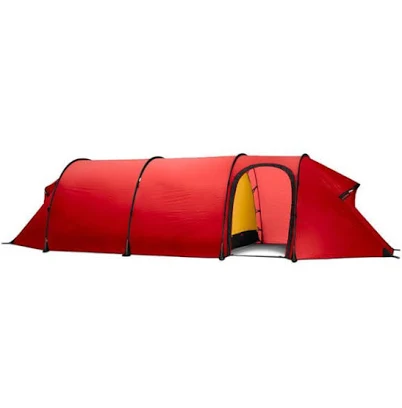
Hilleberg Keron 4 GT Tent
Pass until Hilleberg shares their water-repellent coating formula or gets tested for PFAS.
Hilleberg's polyester ripstop rainfly uses a water-resistant finish common in high-end tents, but the brand reveals nothing about the water-repellent coating's contents or PFAS levels. Without lab verification or brand certification, the waterproofing stays a question mark.
Still want this one anyway? Check the price on Amazon. We’d swap it.
Material
Polyester ripstop with water-repellent coating (unspecified chemistry)
Brand disclosure
Brand is silent on PFAS
Lab data
No public lab test
What Hilleberg Keron 4 GT Tent is made of, ingredients and materials
The Keron 4 GT uses polyester ripstop fabric with a water-repellent coating (water-repellent coating) coating of unspecified chemical composition. Hilleberg does not publicly disclose whether this coating contains PFAS compounds, which are standard in many high-performance tent treatments but raise environmental and health concerns. Polyester itself is stable and non-toxic under normal use; the risk centers on the water-repellent coating layer's durability, degradation over time, and unknown additives.
What’s concerning
Category baseline
The starting point for this type of product, before anything specific to this product is counted.
No PFAS disclosure
No public statement from the brand about PFAS in this product.
Waterproof / stain-resistant treatment
Water-repellent coating treatments have historically used PFAS.
water-repellent coating degradation and unknown composition
The unspecified water-repellent coating chemistry on this tent's polyester ripstop will degrade with UV exposure and use, potentially releasing or fragmenting coating particles. Without disclosure, buyers cannot assess whether the coating contains PFAS or other regulated compounds, limiting risk management.
Microplastic shedding from fabric breakdown
Polyester ripstop tents shed microfibers during normal wear, packing, and cleaning. While this is inherent to the material and not unique to Hilleberg, it contributes to microplastic pollution when the tent is eventually discarded or cleaned in natural water.
Mold and bacterial growth in damp storage
If stored wet or in humid conditions, polyester fabric can support mold growth and bacterial biofilms, creating musty odors and potential respiratory irritants when the tent is set up. The water-repellent coating does not prevent internal moisture if ventilation is poor.
What’s reassuring
Chemical off-gassing during manufacturing or first use
No reports of VOC or chemical off-gassing from new Hilleberg tents exist in public records. Polyester fabric and water-repellent coating coatings may emit trace levels of solvents during early use, but this is typically minimal with modern production standards.
Heavy metals
Polyester ripstop fabric itself does not inherently contain lead, cadmium, or antimony; these are not added during standard polyester production. No specific contamination has been reported for Hilleberg tents.
Source, FDA ↗The full breakdown
The brand's record and disclosure
Hilleberg is a Swedish premium tent manufacturer with a reputation for durability and conservative design, but the company has not published transparency statements on PFAS use, flame retardants, or chemical testing. No major safety recalls or contamination incidents are on public record for this model. The silence on water-repellent coating chemistry is typical among tent makers but limits buyer informed choice compared to brands (e.g., some outdoor suppliers) that explicitly confirm PFAS-free treatments.
How it compares in its category
High-end 4-season mountaineering tents typically rely on PFAS-based water-repellent coating coatings for performance; alternatives using non-fluorinated coatings exist but are less common and sometimes less durable. The Keron 4 GT sits in the premium segment where transparency is expected but uncommon. Most competitors (Marmot, Black Diamond, Mountain Hardwear) similarly do not disclose water-repellent coating chemistry, making this tent representative of industry opacity rather than an outlier.
If you buy it
Reapply water-repellent coating every 1-2 seasons using non-PFAS alternatives (silicone-based or wax-based products) if you wish to avoid fluorinated chemistry long-term. Store dry and ventilated to prevent mold and mildew, which degrade fabric and coatings. Inspect seams and fabric for wear annually; replace the tent if the fabric tears significantly or loses water-shedding performance. Do not heat-dry the tent aggressively, as high temperatures may accelerate coating breakdown.
What we don’t know
- Basis
- Model estimate, 45% confidence, not a lab result
- Lab test
- None on record for this exact product
- Brand statement
- Hilleberg has made none
Formulations change between production runs, so check the current label. How we grade.
More camping tents & tarps grades
How we score, every product runs through the same public 0-100 rubric based on materials, coatings, brand disclosure, lab findings, and recalls. See the full methodology → Spotted a mistake? Report an error.