Hilleberg · Camping Tents & Tarps
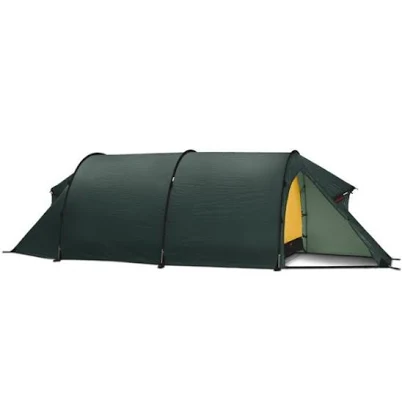
Hilleberg Keron 4 Tent
The tent's water-repellent coating chemistry is not stated.
The polyester ripstop fabric has a water-repellent coating finish, but Hilleberg has not disclosed the coating's chemistry. The brand has no PFAS statement on record.
Still want this one anyway? Check the price on Amazon. We’d swap it.
Material
Polyester ripstop fabric with water-repellent coating (water-repellent coating) coating
Brand disclosure
Brand is silent on PFAS
Lab data
No public lab test
What Hilleberg Keron 4 Tent is made of, ingredients and materials
The Keron 4 uses polyester ripstop fabric as its primary material, which is inherently stable and does not leach chemicals into soil or water under normal outdoor use. The critical component is the water-repellent coating (water-repellent coating) finish applied to the fabric to shed rain. Hilleberg does not publicly specify whether this coating is PFAS-based (fluorocarbon) or PFAS-free (wax or silicone alternatives), which is the main uncertainty for this product. Polyester itself is not a known acute toxin, but the coating chemistry remains opaque.
What’s concerning
Category baseline
The starting point for this type of product, before anything specific to this product is counted.
No PFAS disclosure
No public statement from the brand about PFAS in this product.
Waterproof / stain-resistant treatment
Water-repellent coating treatments have historically used PFAS.
water-repellent coating (water-repellent coating) coating composition
Standard polyester tent coatings often use PFAS-based fluorocarbons for water resistance. Hilleberg has not disclosed whether the Keron 4 uses PFAS or alternatives; this is a known use class for PFAS but not confirmed for this specific product.
Coating degradation and environmental release
As water-repellent coating wears (typically 3-5 years of heavy use), particles and residues may shed into soil or water during washing or field use. If the coating contains PFAS, this represents a potential environmental pathway; if PFAS-free, the risk is lower but not zero.
What’s reassuring
Polyester fabric volatility and off-gassing
Polyester ripstop does not emit formaldehyde or phthalates under normal outdoor storage. Any chemical odor from manufacturing residues should dissipate within days in ventilation; no chronic exposure hazard is documented for this material class.
Flame retardants
Polyester ripstop tents do not typically contain intentional flame retardant chemical treatments; the fabric's inherent flame performance is acceptable for outdoor shelter. No halogenated or antimony-based additives are standard in this product category.
Source, EPA ↗Heavy metals
The Keron 4's standard colorways (tan, green) do not suggest use of chromium, cadmium, or lead-based dyes; polyester tents typically use low-toxicity azo or reactive dyes. No recalls or contamination reports exist for Hilleberg products.
Source, FDA ↗The full breakdown
The brand's record and disclosure
Hilleberg is a Swedish manufacturer with a strong reputation for durability and quality control, but the company has not released transparency statements about water-repellent coating chemistry or PFAS avoidance. No major recalls or documented chemical hazards have been reported for Hilleberg tents in public databases. The brand's silence on coating composition is notable given that many outdoor brands have begun disclosing PFAS-free alternatives; this absence of communication is a yellow flag rather than evidence of PFAS use, but it limits informed purchasing.
How it compares in its category
Most four-season and three-season tents in this price range ($800-1200) use fluorocarbon water-repellent coating coatings for durability, meaning the Keron 4 is typical for its class. Some competitors (e.g.Some brands (Marmot, Nemo, Big Agnes) have committed to phasing in coatings with lower concern for PFAS; others remain silent like Hilleberg. Compared to budget brands that use thinner, faster-degrading coatings, Hilleberg's emphasis on longevity is a trade-off, fewer replacement cycles means lower consumption, but current coating choice remains unclear.
If you buy it
Store the tent dry and well-ventilated indoors; polyester does not off-gas VOCs like some synthetic textiles, but allow any manufacturing odors to dissipate in fresh air for the first week. Do not apply heat sources directly to the fabric (no iron, no open flame near seams). Inspect seams and coating annually for wear; reapply aftermarket PFAS-free sealants if water-repellent coating beading diminishes. Before purchase, contact Hilleberg directly requesting explicit confirmation of water-repellent coating chemistry; a clear answer supports future buying decisions.
What we don’t know
- Basis
- Model estimate, 45% confidence, not a lab result
- Lab test
- None on record for this exact product
- Brand statement
- Hilleberg has made none
Formulations change between production runs, so check the current label. How we grade.
More camping tents & tarps grades
How we score, every product runs through the same public 0-100 rubric based on materials, coatings, brand disclosure, lab findings, and recalls. See the full methodology → Spotted a mistake? Report an error.