Hilleberg · Camping Tents & Tarps
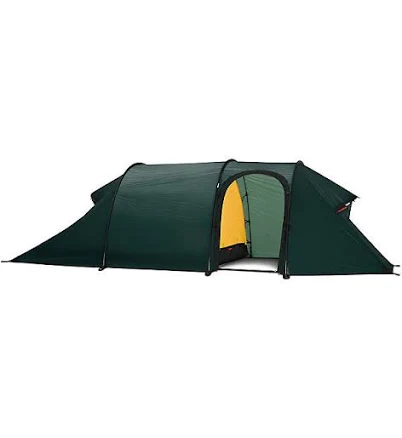
Hilleberg Nammatj 2 GT Tent
High PFAS risk from waterproof tent coating, the brand hasn't disclosed treatment chemistry.
This 2-person tent uses water-repellent coating finish typical of premium tents, historically reliant on PFAS-based fluorocarbon chemistry. The brand has published nothing about coating formulations or PFAS status.
Still want this one anyway? Check the price on Amazon. We’d swap it.
Material
Polyester fabric with water-repellent coating (likely fluorocarbon-based)
Brand disclosure
Brand is silent on PFAS
Lab data
No public lab test
What Hilleberg Nammatj 2 GT Tent is made of, ingredients and materials
The Nammatj 2 GT uses polyester fabric treated with a water-repellent coating (water-repellent coating) coating. This coating is almost certainly fluorocarbon-based, the industry standard for tent waterproofing, which means it contains PFAS compounds. The polyester substrate itself is stable and does not off-gas hazardous volatiles under normal camping conditions, but the fluorinated finish is the concern for PFAS persistence and bioaccumulation.
What’s concerning
Category baseline
The starting point for this type of product, before anything specific to this product is counted.
No PFAS disclosure
No public statement from the brand about PFAS in this product.
Waterproof / stain-resistant treatment
Water-repellent coating treatments have historically used PFAS.
PFAS
Fluorocarbon-based water repellent finishes are standard on performance tents and contain long-chain PFAS. Hilleberg has not disclosed treatment details or offered verified PFAS-free lines, placing this tent in the high-risk category for PFAS exposure during manufacturing, use, and eventual disposal.
Source, ATSDR ↗Heavy metals
The Nammatj 2 GT comes in multiple colors (yellows, reds, greens). These are standard polyester dyes. Hilleberg does not publish colorant safety data or OEKO-TEX certification, so azo-dye content cannot be ruled out, though high-end European tent makers generally avoid banned azo dyes due to EU regulations.
Source, FDA ↗Microplastic shedding from fabric wear
Polyester fabrics shed microfibers during normal wear and washing. Hilleberg does not advertise fiber-shedding mitigation. The environmental impact is gradual; user exposure during camping is negligible, but washing or high friction (e.g., pitching/packing) will release some microfibers.
What’s reassuring
Formaldehyde / VOCs
Polyester fabric itself does not typically release formaldehyde under normal use. Hilleberg's manufacturing processes are not documented to include formaldehyde-based cross-linking agents, and no recalls or reports link this brand to formaldehyde off-gassing in tents.
Source, ATSDR ↗VOC off-gassing from adhesives or laminates
This tent uses conventional polyester laminate construction typical of quality European manufacturers. No documented off-gassing complaints or chemical odor issues are on record for Hilleberg tents, and camping use (outdoors with ventilation) minimizes confined-space vapor exposure.
The full breakdown
The brand's record and disclosure
Hilleberg has not publicly disclosed the specific chemistry of its water-repellent coating treatments or committed to PFAS-free alternatives. The brand is known for high-quality European manufacturing and durability claims, but transparency around chemical inputs remains absent from their published materials. No independent certifications (such as OEKO-TEX or GOTS) addressing PFAS-free status appear on their product pages. This silence is notable in a market where some competitors have begun offering fluorocarbon-free options.
How it compares in its category
Most premium tent manufacturers still use conventional fluorocarbon water-repellent coating coatings; Hilleberg is not unique in this regard. A few niche brands (such as certain organic-focused or ultralight manufacturers) have begun experimenting with paraffin or wax-based hydrophobic treatments, though these typically offer shorter durability. The Nammatj 2 GT is positioned at the durable-performance end of the market, where PFAS-containing coatings remain the norm. Consumer-grade budget tents often use lower-performance or non-durable coatings, making them technically lower-PFAS by default but shorter-lived.
If you buy it
Avoid frequent washing or aggressive scrubbing of the tent fabric, as this can degrade the water-repellent coating and potentially mobilize PFAS. Store in a cool, dry place away from direct sunlight to extend coating life and reduce off-gassing risk. If the tent gets wet but does not need cleaning, air-dry without detergents. Replace or retire the tent once the water-repellent coating visibly fails (water beading stops), rather than attempting to re-coat, as aftermarket treatments introduce additional chemical variables.
What we don’t know
- Basis
- Model estimate, 35% confidence, not a lab result
- Lab test
- None on record for this exact product
- Brand statement
- Hilleberg has made none
Formulations change between production runs, so check the current label. How we grade.
More camping tents & tarps grades
How we score, every product runs through the same public 0-100 rubric based on materials, coatings, brand disclosure, lab findings, and recalls. See the full methodology → Spotted a mistake? Report an error.