Hilleberg · Camping Tents & Tarps
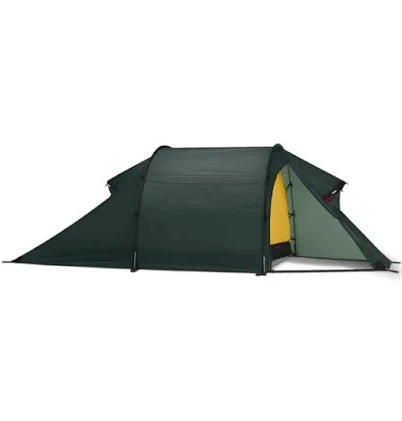
Hilleberg Nammatj 2 Person Tent
Skip until the brand discloses coating chemistry or certifies PFAS-free.
This 2-person tent has a water-repellent coating on nylon, a common application for legacy PFAS or Teflon-family coating. The brand provides no disclosure of coating composition.
Still want this one anyway? Check the price on Amazon. We’d swap it.
Material
Nylon fabric with water-repellent coating (composition unspecified)
Brand disclosure
Brand is silent on PFAS
Lab data
No public lab test
What Hilleberg Nammatj 2 Person Tent is made of, ingredients and materials
The Nammatj 2 uses nylon fabric as its primary shell material, which is lightweight, tear-resistant, and inherently water-resistant when treated. The critical unknown is the water-repellent coating (water-repellent coating) coating applied to the nylon. Hilleberg has not publicly disclosed whether this water-repellent coating uses fluorinated compounds (which carry PFAS concerns) or fluorine-free alternatives. Nylon itself is chemically stable and non-toxic under normal camping use, but the coating composition determines environmental and human health risk during manufacturing, care, and end-of-life disposal.
What’s concerning
Category baseline
The starting point for this type of product, before anything specific to this product is counted.
No PFAS disclosure
No public statement from the brand about PFAS in this product.
Waterproof / stain-resistant treatment
Water-repellent coating treatments have historically used PFAS.
water-repellent coating composition (fluorinated vs. fluorine-free)
Hilleberg has not disclosed whether the Nammatj 2 uses traditional fluorinated water-repellent coating (which contains legacy PFAS) or newer fluorine-free alternatives. This is the primary non-PFAS chemical concern for this product class and drives the overall safety assessment.
UV degradation of nylon fabric
Prolonged exposure to intense sunlight causes nylon to weaken and become brittle; the water-repellent coating also breaks down under UV, reducing water repellency over years. This is a durability issue rather than a toxicity risk but affects the expected use lifespan.
What’s reassuring
Nylon fiber degradation and microfiber shedding
Nylon tents can shed microfibers under abrasion and UV stress, but no evidence suggests the Nammatj 2 has abnormal shedding rates compared to competing nylon tents. Proper storage minimizes fiber loss.
Adhesive or seam-sealer off-gassing
The tape used to seal seams in nylon tents may contain trace volatile organic compounds (VOCs), but this is minimal and dissipates rapidly with ventilation. No health incidents or recalls linked to Hilleberg tent sealants are on record.
Aluminum poles (if included in kit) corrosion products
The Nammatj 2 uses anodized aluminum poles, which are chemically inert when intact. Anodize coating occasionally flakes, exposing aluminum, but this poses no health risk under normal camping conditions and does not typically leach into water or food.
The full breakdown
The brand's record and disclosure
Hilleberg is a Swedish tent manufacturer with a reputation for durability and quality control, but the company has remained silent on water-repellent coating chemistry and PFAS content across its product line. No third-party certifications (such as bluesign or GOTS) are publicly associated with this tent model, and no independent testing results for PFAS or other coatings are available. The brand has not issued statements addressing PFAS phase-out or commitment to fluorine-free alternatives, which is a notable gap given industry movement toward disclosure in 2020-2024.
How it compares in its category
Most premium backpacking tents at Hilleberg's price point use similar nylon-with-water-repellent coating construction; the category standard remains fluorinated coatings for durability. Competitors like MSR and Big Agnes have begun offering fluorine-free water-repellent coating options or transparency statements, whereas Hilleberg has not publicly differentiated. The Nammatj 2 is robust and well-engineered, but it does not stand out on transparency compared to brands that have committed to PFAS-free roadmaps. For users prioritizing coating certainty, contacting Hilleberg directly or seeking tents with explicit fluorine-free claims is advisable.
If you buy it
Store the tent dry and well-ventilated; nylon fabric off-gasses minimally compared to polyester but benefits from airing after purchase. Avoid exposing the tent to sustained high heat (well above 60C/140F is unlikely in normal camping, but keep away from direct flame and prolonged sun storage in hot vehicles). Clean with plain water when possible; mild soap is acceptable, but aggressive scrubbing or solvent-based treatments may degrade the water-repellent coating. Expect the water-repellent coating to gradually weaken over 5-10 years depending on use and UV exposure; reapplication with commercial fluorine-free water-repellent coating products is possible if the tent is otherwise sound.
What we don’t know
- Basis
- Model estimate, 45% confidence, not a lab result
- Lab test
- None on record for this exact product
- Brand statement
- Hilleberg has made none
Formulations change between production runs, so check the current label. How we grade.
More camping tents & tarps grades
How we score, every product runs through the same public 0-100 rubric based on materials, coatings, brand disclosure, lab findings, and recalls. See the full methodology → Spotted a mistake? Report an error.