Hilleberg · Camping Tents & Tarps
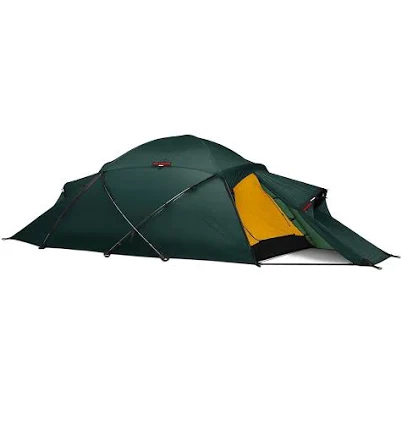
Hilleberg Saivo 3 Person Tent
Avoid until Hilleberg provides PFAS-free confirmation or test data.
Hilleberg uses polyester with waterproof coatings, which have historically relied on PFAS-based water-repellent coating treatments. The brand offers no public information about its chemical composition or test results. Ask Hilleberg directly about fluorocarbon-free options if avoiding PFAS is your goal.
Still want this one anyway? Check the price on Amazon. We’d swap it.
Material
Polyester ripstop fabric with water-repellent coating (water-repellent coating) coating
Brand disclosure
Brand is silent on PFAS
Lab data
No public lab test
What Hilleberg Saivo 3 Person Tent is made of, ingredients and materials
The Saivo 3 uses polyester ripstop fabric, a synthetic polymer chosen for its strength-to-weight ratio and resistance to UV degradation. Polyester itself does not leach BPA, phthalates, or microplastics under normal outdoor use because it is a thermosetting plastic not designed for food contact and not typically heated to degradation temperatures in field conditions. The critical component is the water-repellent coating (water-repellent coating) finish applied to the fabric to shed rain; this coating is where PFAS contamination risk concentrates, though Hilleberg has not disclosed whether their formulation uses fluorine-based or alternative water-repellent chemistries.
What’s concerning
Category baseline
The starting point for this type of product, before anything specific to this product is counted.
No PFAS disclosure
No public statement from the brand about PFAS in this product.
Waterproof / stain-resistant treatment
Water-repellent coating treatments have historically used PFAS.
water-repellent coating (water-repellent coating) coating composition
Hilleberg does not disclose whether the Saivo 3's water-repellent coating uses legacy perfluorocarbon compounds (PFAS) or fluorine-free alternatives. Fluorine-based water-repellent coating finishes have been standard in outdoor gear for decades; confirmation requires direct contact with the manufacturer.
Off-gassing from stored tent
A new or recently treated polyester tent stored in a warm, sealed space may release faint odors from residual volatiles in the water-repellent coating or dyes; airing outdoors before use mitigates this. The hazard is odor rather than documented toxicity.
What’s reassuring
Microplastics
Polyester ripstop fabric does not shed microplastics under normal outdoor use (rain, wind, camping). Abrasion in a backpack or vigorous laundering could theoretically generate fibers, but this is not a documented hazard for enclosed-use textiles at ambient temperatures.
Source, EPA ↗Formaldehyde / VOCs
Modern polyester ripstop for outdoor tents is not typically treated with formaldehyde resins; those are common in apparel and bedding but uncommon in technical gear. No evidence suggests Hilleberg uses formaldehyde-based finishes on the Saivo line.
Source, ATSDR ↗Antimony or azo dyes
The Saivo 3 is available in muted colors (tan, green, orange). Hilleberg's reputation for quality suggests compliance with standard outdoor industry dye standards, but the brand does not publish OEKO-TEX or similar certifications confirming absence of restricted azo dyes or antimony catalysts.
The full breakdown
The brand's record and disclosure
Hilleberg (Swedish manufacturer, founded 1973) has built a reputation for durable, minimalist expedition tents but has published no specific material disclosure statements, PFAS testing results, or third-party certifications (e.g., OEKO-TEX, bluesign) for the Saivo line. The brand does not list water-repellent coating chemistry on product specs or environmental claims. No recalls, contamination incidents, or regulatory findings have been publicly documented for Hilleberg tents. Contacting the manufacturer directly remains the only reliable way to confirm whether their water-repellent coating uses legacy perfluorocarbon compounds or newer alternatives.
How it compares in its category
Most 3-person expedition tents at this price point use polyester with fluorine-based water-repellent coating coatings; few outdoor tent brands currently disclose or guarantee PFAS-free treatments. Competitors (e.g., MSR, Big Agnes, Decathlon) similarly do not routinely publish waterproofing chemistry. The Saivo 3 is mid-tier in transparency but typical in material choice for ultralight backpacking tents. Brands offering explicit PFAS-free water-repellent coating claims or bluesign certification remain rare in this category, so the Saivo's silence is not exceptional.
If you buy it
Store the tent dry and well-ventilated indoors to prevent mildew growth and off-gassing accumulation; polyester does not emit formaldehyde or VOCs at room temperature. Avoid prolonged direct sunlight when pitched (UV degrades polyester fiber over years, not weeks, but reduces lifespan). Do not machine wash or heat dry the fabric, as this can strip the water-repellent coating and potentially aerosolize any surface chemicals. Reapply water-repellent coating treatments only with products you verify are PFAS-free, since commercial water-repellent coating sprays often contain fluorinated compounds; consider PFAS-free alternatives marketed for this purpose (silicone-based or wax-based options exist).
What we don’t know
- Basis
- Model estimate, 45% confidence, not a lab result
- Lab test
- None on record for this exact product
- Brand statement
- Hilleberg has made none
Formulations change between production runs, so check the current label. How we grade.
More camping tents & tarps grades
How we score, every product runs through the same public 0-100 rubric based on materials, coatings, brand disclosure, lab findings, and recalls. See the full methodology → Spotted a mistake? Report an error.