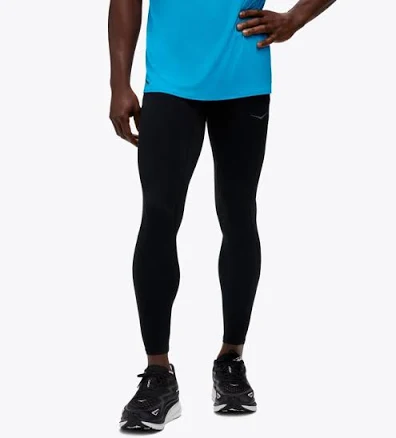
HOKA · Synthetic Athletic Wear
Hoka Men's Novafly Run Tights
Likely water-repellent coating-treated; Hoka does not disclose PFAS policies.
These nylon tights feature a water-repellent finish typical of athletic wear. Hoka stays silent on whether PFAS chemicals are used in this treatment.
Still want this one anyway? Check the price on Amazon. We’d swap it.
Material
Nylon blend with water-repellent coating (water-repellent coating) treatment
Brand disclosure
Brand is silent on PFAS
Lab data
No public lab test
You may also be interested in
Top-graded picks in the categories readers replace first, every one scored on the same rubric.

- polypropylene filter housing, carbon/sediment cartridge
- We found no PFAS statement from the brand
- Bacterial growth in spent cartridges
3 hazards checked on this product, all on its full breakdown.

Aquasure
Premier Series 75 GPD Under Sink Reverse Osmosis Water Filtration System
- RO membrane, carbon filters, stainless steel housing
- We found no PFAS statement from the brand
- Bacterial and microbial growth in housing and filters
4 hazards checked on this product, all on its full breakdown.

Avocado
Vegan Mattress
- organic cotton, natural latex, coconut coir, recycled steel coils
- The brand calls it PFAS-free, which we have not verified
- Heavy metals
2 hazards checked on this product, all on its full breakdown.
What Hoka Men's Novafly Run Tights is made of, ingredients and materials
Hoka Novafly Run Tights are constructed from a nylon blend, a synthetic polymer chosen for stretch, durability, and moisture management in athletic wear. The water-repellent coating (water-repellent coating) finish applied to the fabric is the key concern, water-repellent coating coatings on apparel are historically treated with fluorinated compounds (PFAS) to repel moisture while maintaining breathability. Hoka does not publicly disclose whether this product uses PFAS-based or alternative water-repellent coating chemistry, which is the primary unknown for this item.
What’s concerning
Category baseline
The starting point for this type of product, before anything specific to this product is counted.
No PFAS disclosure
No public statement from the brand about PFAS in this product.
Waterproof / stain-resistant treatment
Water-repellent coating treatments have historically used PFAS.
PFAS
Nylon tights with water-repellent coating finish commonly use fluorinated compounds; Hoka does not disclose chemistry, so PFAS presence cannot be ruled out. Skin contact with treated fabric is a low-level exposure route for apparel, but cumulative laundry water discharge poses broader environmental concern.
Source, ATSDR ↗Microplastic shedding
Like all synthetic nylon apparel, these tights shed microfibers during washing. The amount is typical for the material class, not exceptional to this brand, but accumulates with repeated laundering over the product lifetime.
What’s reassuring
Azo dyes
No public records indicate Hoka uses prohibited azo dyes in this product or other tights. Most reputable brands in this tier avoid them, but explicit third-party certification (OEKO-TEX, Bluesign) is absent from Hoka's marketing.
Formaldehyde / VOCs
Formaldehyde-based curing agents are not typical in water-repellent coating or stretch nylon apparel; modern finishes in this category do not rely on formaldehyde. This hazard is unlikely but not formally ruled out by Hoka documentation.
Source, ATSDR ↗Antimony in polyester (if blend includes polyester)
Product is described as nylon blend; if polyester is a minor component, antimony catalyst residue is theoretically possible but unlikely and undocumented. Hoka does not specify the exact fiber composition beyond 'nylon blend.'
How is this PFAS grade calculated?
The brand's record and disclosure
Hoka has not published a clear PFAS policy or chemical disclosure statement for its apparel lines as of available records. The brand is known for performance footwear innovation but lags behind leaders like Patagonia and The North Face in transparency around fluorinated treatments. No recalls or substantiated safety controversies specific to Hoka tights have been documented in public databases. Without proactive communication on water-repellent coating chemistry, consumers cannot assess PFAS risk at the point of purchase.
How it compares in its category
Most performance running tights in the mid-to-premium tier receive water-repellent coating treatment, making untreated alternatives rare. Brands like Nike, Lululemon, and Allbirds have begun transitioning to PFAS-free or disclosed water-repellent coating systems, though disclosure remains inconsistent across the category. Hoka tights are competitively priced and well-reviewed for fit and durability, but the silence on chemical inputs puts them behind category leaders on environmental and health transparency. If PFAS avoidance is a priority, seeking brands with explicit PFAS-free claims is advisable.
If you buy it
Wash in cold water and avoid fabric softeners, which can degrade water-repellent coating performance and release microfibers. Do not use high heat (tumble dry or direct sunlight) as nylon can soften above 75-80 degrees Celsius, compromising fit and durability. Replace when elasticity visibly decreases or seams show wear, typically 12-24 months of regular wear. If water-repellent coating performance matters to you, contact Hoka customer service directly to request confirmation of their water-repellent coating treatment chemistry before purchasing.
What is not known about PFAS in this product?
- Basis
- Model estimate, 35% confidence, not a lab result
- Lab test
- None on record for this exact product
- Brand statement
- HOKA has made none
Formulations change between production runs, so check the current label. How we grade.
What are the PFAS-free alternatives to Hoka Men's Novafly Run Tights?
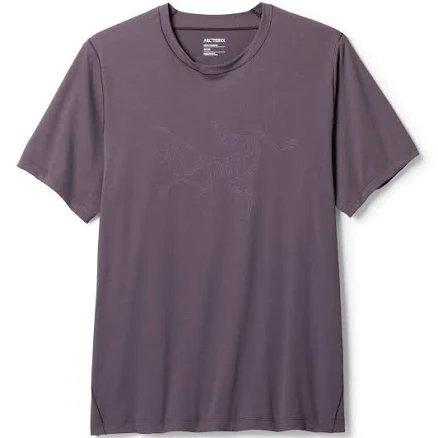
- 100% polyester knit, no water-repellent treatment
- Heavy metals
3 hazards checked on this product, all on its full breakdown.
Find an alternative on Amazon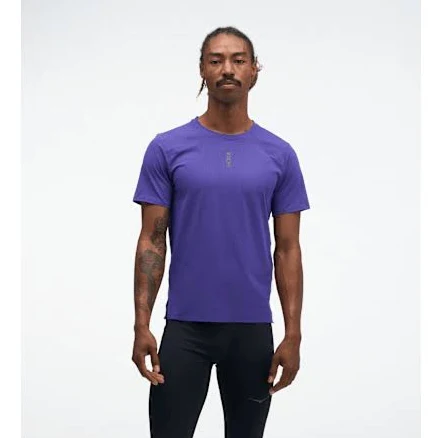
- polyester/nylon blend, no specified water repellent finish
- We found no PFAS statement from the brand
- Antimony in polyester
2 hazards checked on this product, all on its full breakdown.
Find an alternative on Amazon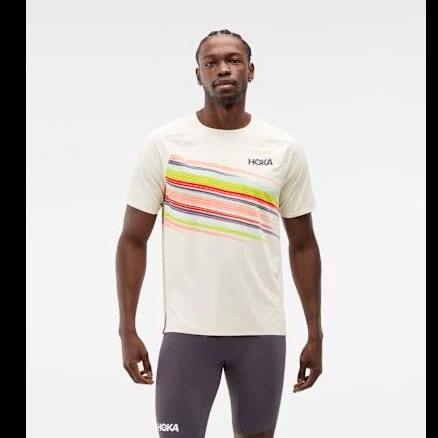
- polyester blend knit
- We found no PFAS statement from the brand
- Antimony in polyester
3 hazards checked on this product, all on its full breakdown.
Find an alternative on AmazonMore synthetic athletic wear grades
How we score, every product runs through the same public 0-100 rubric based on materials, coatings, brand disclosure, lab findings, and recalls. See the full methodology → Spotted a mistake? Report an error.