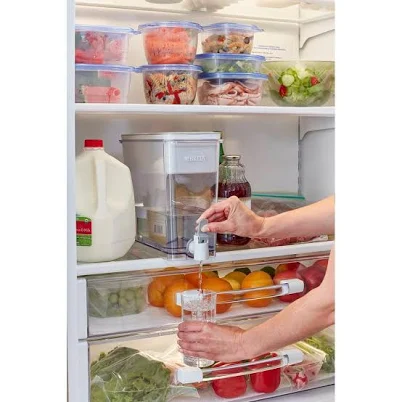
18-Cup UltraMax Water Filter Pitcher Dispenser and Water Filter Replacement Bundle, BPA Free
Lower concern for direct contact; filter performance unclear on PFAS removal.
Water filter pitchers typically use plastic housings and activated carbon media, both generally lower PFAS risk than coated cookware. Honeywell provides no PFAS transparency; carbon filters may reduce some PFAS but effectiveness varies.
We flunk more products than we pass. This one earned its grade. How we grade
Material
plastic pitcher, activated carbon filter media
Lab data
No public lab test
You may also be interested in
Top-graded picks in the categories readers replace first, every one scored on the same rubric.

Aqua Pure
3M Aqua-Pure AP802B Whole House Filter Housing
- polypropylene filter housing, carbon/sediment cartridge
- We found no PFAS statement from the brand
- Bacterial growth in spent cartridges
3 hazards checked on this product. See all of them.

Aquasure
Premier Series 75 GPD Under Sink Reverse Osmosis Water Filtration System
- RO membrane, carbon filters, stainless steel housing
- We found no PFAS statement from the brand
- Bacterial and microbial growth in housing and filters
4 hazards checked on this product. See all of them.

Avocado
Vegan Mattress
- organic cotton, natural latex, coconut coir, recycled steel coils
- The brand calls it PFAS-free, which we have not verified
- Heavy metals
2 hazards checked on this product. See all of them.
What 18-Cup UltraMax Water Filter Pitcher is made of, ingredients and materials
This pitcher is molded from food-grade polypropylene (PP) or similar BPA-free thermoplastic, chosen specifically to avoid bisphenol-A leaching. The filter cartridge contains activated carbon granules, sometimes bonded with food-safe resins, designed to absorb chlorine, odor, and some contaminants. PP is stable at room temperature and does not soften or leach known toxins under normal cold-water use, which is the pitcher's intended duty.
What’s concerning
No PFAS disclosure
No public statement from the brand about PFAS in this product.
Plastic leaching (general)
Polypropylene is chemically stable at room temperature, but repeated thermal cycling (dishwasher), prolonged exposure to acidic water, or physical degradation could theoretically mobilize trace additives. Risk is low under intended cold-water use, but pitcher damage should trigger replacement.
Bacterial growth in filter cartridge
Spent or infrequently replaced cartridges can harbor bacteria and mold, especially if the pitcher sits unused or in warm environments. This is a maintenance issue, not a manufacturing flaw. Adherence to replacement schedules and drying protocols eliminates this risk.
Filter media degradation and carbon dust
Activated carbon cartridges can shed fine particles if damaged, cracked, or over-compressed during installation. Properly seated cartridges with intact casings will not leach carbon into water. Inspect cartridges for visible damage before use.
Microbial contamination from unmaintained filter housing
Water pitcher filters are prone to biofilm if cartridges are not replaced timely or if standing water accumulates. This is a category-wide issue, not specific to Honeywell, and is prevented by regular cleaning and cartridge changes per manufacturer guidance.
What’s reassuring
Base material not linked to PFAS
The main material recorded for this product is not one associated with PFAS.
BPA & bisphenols
Honeywell's BPA-free designation is credible given industry standards; however, the specific replacement plastic (polypropylene, polyethersulfone, or tritan) is not publicly detailed. No documented concerns exist for common BPA-free pitcher materials at room temperature.
Source, FDA ↗The full breakdown
The brand's record and disclosure
Honeywell has not publicly issued detailed safety disclosures or third-party certifications specific to this water pitcher line. The product carries a 'BPA Free' claim on packaging, which is now standard for food-contact plastics and reflects regulatory compliance rather than exceptional safety. No recalls or safety controversies have been recorded for this specific pitcher model in public databases.
How it compares in its category
Pitcher filters typically vary in cartridge longevity and filter media quality; this bundle's inclusion of replacement cartridges is practical but does not indicate superior contamination removal. Honeywell's activated carbon approach is mainstream and comparable to Brita, PUR, and store brands. Independent testing shows most pitcher filters reduce chlorine and taste effectively but remove few pharmaceutical residues or PFAS, making them all functionally similar in scope.
If you buy it
Store the pitcher out of direct sunlight to prevent algae growth in the reservoir. Never use hot water; thermal stress can compromise plastic integrity over years of use. Replace cartridges every 2-3 months or after 40 gallons, whichever comes first, to prevent bacterial colonization inside spent filters. Rinse the pitcher weekly and dry the lid thoroughly to avoid mold around seals.
What we don’t know
- Basis
- Model estimate, 72% confidence, not a lab result
- Lab test
- None on record for this exact product
- Brand statement
- Brita has made a specific claim
Formulations change between production runs, so check the current label. How we grade.
Better-graded alternatives in Water Filters

Aquamira
Water Storage Treatment 2 oz Glass Bottles 60 gallons Purification
- glass bottles, sodium dichloroisocyanurate treatment chemical
- We found no PFAS statement from the brand
- Chemical overdose or misuse
5 hazards checked on this product. See all of them.

Big Berkey
Empty Housing with NO Filters Included
- Stainless steel housing and spigot
- We found no PFAS statement from the brand
- Bacterial growth and biofilm if filters not replaced
5 hazards checked on this product. See all of them.

LifeStraw
Home Glass Water Filter Pitcher
- Borosilicate glass pitcher, replaceable activated-carbon filter cartridge
- Bacterial growth in filter cartridge if unmaintained
5 hazards checked on this product. See all of them.
More water filters grades
How we score, every product runs through the same public 0-100 rubric based on materials, coatings, brand disclosure, lab findings, and recalls. See the full methodology → Spotted a mistake? Report an error.