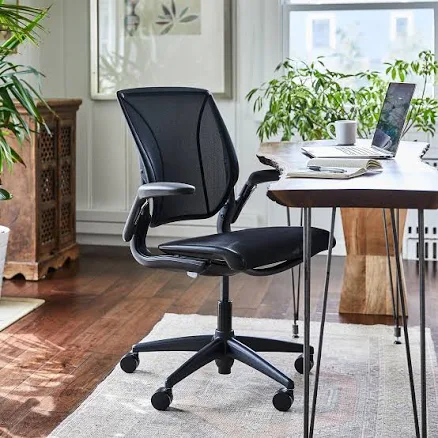
West Elm Humanscale World LM Task Chair
Lower PFAS concern for the chair frame itself; fabric treatment status unclear.
The West Elm Humanscale World LM uses aluminum and foam, lower inherent PFAS risk materials. Upholstery fabric treatment isn't disclosed; neither brand addresses PFAS transparency.
We flunk more products than we pass. This one earned its grade. How we grade
Material
aluminum frame, foam cushioning, mesh/upholstery fabric
Brand disclosure
Brand is silent on PFAS
Lab data
No public lab test
You may also be interested in
Top-graded picks in the categories readers replace first, every one scored on the same rubric.

- polypropylene filter housing, carbon/sediment cartridge
- We found no PFAS statement from the brand
- Bacterial growth in spent cartridges
3 hazards checked on this product, all on its full breakdown.

Aquasure
Premier Series 75 GPD Under Sink Reverse Osmosis Water Filtration System
- RO membrane, carbon filters, stainless steel housing
- We found no PFAS statement from the brand
- Bacterial and microbial growth in housing and filters
4 hazards checked on this product, all on its full breakdown.

Avocado
Vegan Mattress
- organic cotton, natural latex, coconut coir, recycled steel coils
- The brand calls it PFAS-free, which we have not verified
- Heavy metals
2 hazards checked on this product, all on its full breakdown.
What West Elm Humanscale World LM Task Chair is made of, ingredients and materials
This chair uses an aluminum frame, polyurethane foam cushioning, and a mesh or woven fabric upholstery. Aluminum itself does not leach under normal office conditions (unlike copper or lead-glazed ceramics), making the frame low-risk. The foam is standard petroleum-based polyurethane, which is chemically stable once cured and does not off-gas significantly in typical indoor air. The fabric is the main variable, its treatment with dyes, finishes, or water/stain repellents determines exposure to formaldehyde releasers, azo dyes, or other additives.
What’s concerning
Category baseline
The starting point for this type of product, before anything specific to this product is counted.
No PFAS disclosure
No public statement from the brand about PFAS in this product.
Formaldehyde / VOCs
Humanscale does not disclose whether the mesh or upholstery fabric is treated with formaldehyde-releasing resins or adhesives common in low-cost textile finishing. If present, off-gassing is typically highest in the first weeks post-purchase and minimal after.
Source, ATSDR ↗Azo dyes and other dye-related allergens
The fabric color and pattern depend on dyes that may include azo compounds (particularly in darker or vibrant colors). No independent testing is published for this product, so risk cannot be quantified beyond general textile industry standards.
Fabric antimicrobial or water-repellent treatment (undisclosed)
Many task-chair fabrics are treated with antimicrobials (e.g., triclosan, silver nanoparticles) or water repellents to extend durability. Humanscale does not publicly specify these treatments for this model, leaving their presence and composition unclear.
What’s reassuring
Base material not linked to PFAS
The main material recorded for this product is not one associated with PFAS.
Polyurethane foam degradation and off-gassing
Cured polyurethane foam in cushioning is chemically stable under normal office use. Degradation and off-gassing are not reported for this chair model and occur only with extreme heat or physical breakdown.
Aluminum frame corrosion or surface leaching
Bare or anodized aluminum frames do not leach aluminum under normal office pH and humidity. Risk is effectively zero unless the frame is damaged or exposed to prolonged acidic or chlorinated environments.
How is this PFAS grade calculated?
The brand's record and disclosure
Humanscale is known for ergonomic design and has achieved some environmental certifications (e.g., Carbon Trust, Cradle to Cradle for select products), but publicly available chemical disclosure for upholstery treatments is limited. The company does not prominently disclose fabric dye sources, formaldehyde content, or antimicrobial treatments on this product line. No major recalls or chemical safety incidents are on record for this chair model. Their silence on PFAS and fabric chemical specifics is typical for mid-market office furniture but falls short of transparency leaders like Herman Miller or Steelcase in their disclosure statements.
How it compares in its category
Task chairs in this price and brand segment typically use similar aluminum frames and polyurethane foam; the World LM is ergonomically competitive but not chemically differentiated. Brands explicitly certifying fabrics to GREENGUARD Gold or similar standards (e.g., Steelcase, Autonomous) provide more chemical assurance than Humanscale's current approach. The aluminum frame is an advantage over steel (lower galvanic corrosion risk) and comparable to other ergonomic chairs. Overall, this chair sits in the middle tier for chemical transparency and material safety within the task-chair category.
If you buy it
Wipe the mesh fabric with a damp cloth monthly to minimize dust accumulation, which can trap any residual manufacturing chemicals. Avoid prolonged heat exposure near radiators or direct sunlight on the cushion, as polyurethane degrades faster under thermal stress and may release volatile compounds. The foam is not designed for washing; if staining occurs, use mild soap and water on the fabric surface only. Monitor the cushion for compression over 3-5 years; replacement is typically the only option for wear, as the foam is not field-replaceable in this model.
What is not known about PFAS in this product?
- Basis
- Model estimate, 65% confidence, not a lab result
- Lab test
- None on record for this exact product
- Brand statement
- Humanscale has made none
Formulations change between production runs, so check the current label. How we grade.
More office chairs grades
How we score, every product runs through the same public 0-100 rubric based on materials, coatings, brand disclosure, lab findings, and recalls. See the full methodology → Spotted a mistake? Report an error.