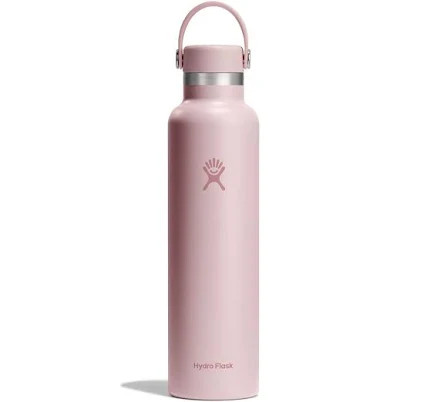
Hydro Flask Bottle Standard Mouth
Lower PFAS concern; stainless core. Unknown about lid seals and gaskets.
Stainless steel construction poses inherently lower PFAS risk. Rubber gaskets and plastic lids remain unspecified; brand provides no PFAS disclosure.
We flunk more products than we pass. This one earned its grade. How we grade
Material
Stainless steel body, rubber/plastic components
Lab data
No public lab test
What Hydro Flask Bottle Standard Mouth is made of, ingredients and materials
The Hydro Flask Standard Mouth uses a double-walled stainless steel 18/8 construction for the main body, which is inert and does not leach metals or chemicals into water under normal use. The lid assembly includes rubber gaskets, silicone seals, and plastic components (likely polypropylene or acetal copolymer) that contact the drinking water. Stainless steel itself poses minimal chemical risk; the concern shifts to the elastomers and plastics in the closure system, which are not publicly detailed by the brand.
What’s concerning
No PFAS disclosure
No public statement from the brand about PFAS in this product.
PFAS
Hydro Flask does not disclose whether gaskets or seals contain Teflon-type coating, FEP, or other fluorinated coatings to improve water resistance. Many reusable bottle lids use Teflon-family coating-based sealants; the absence of public testing or commitment to PFAS-free materials leaves this unconfirmed.
Source, ATSDR ↗Plastic lid component degradation and microplastic release
The plastic cap and top valve are not publicly identified by polymer type. Over years of use, thermal cycling and mechanical stress from opening/closing may cause crazing or micro-fractures; detectable microplastics in water from this source are not documented but cannot be ruled out.
Bacterial or mold growth in lid assembly or seals
The rubber gasket and underside of the valve are difficult to clean and may harbor bacteria if not dried thoroughly after washing or if left filled with water for extended periods. This is a hygiene risk rather than a chemical hazard but is relevant to concerns about reusable bottles.
What’s reassuring
Base material not linked to PFAS
The main material recorded for this product is not one associated with PFAS.
PFAS
No recalls or public complaints document rubber-derived odors, discoloration, or taste changes in water stored in Hydro Flask bottles. Standard food-grade silicone and EPDM rubbers used in drinkware do not typically leach problematic compounds at room temperature.
Source, ATSDR ↗Lead
Stainless steel 18/8 does not contain lead or cadmium by composition. No public testing or recalls suggest contamination of the body material. Hydro Flask's manufacturing (primarily overseas) does not have a documented history of heavy metal contamination in this product line.
Source, ATSDR ↗The full breakdown
The brand's record and disclosure
Hydro Flask does not publicly disclose material safety data, PFAS testing results, or third-party certifications for its bottles. The company has not published responses to PFAS concerns in beverage containers, despite industry attention to the topic. No major safety recalls for leaching or chemical contamination have been documented in public records for the Standard Mouth model. This silence on materials transparency is typical among consumer drinkware brands but limits independent verification of seal composition.
How it compares in its category
As a reusable stainless steel bottle, the Hydro Flask compares favorably to single-use plastics and aluminum bottles with interior plastic linings (which may contain BPA). It occupies the mid-to-premium tier of insulated bottles; competitors like Klean Kanteen and S'well offer similar stainless construction with equally opaque material disclosures. Unlike filtered water pitchers or faucet-mount filters, this product poses no bacterial growth risk because it stores water passively without filter media.
If you buy it
Hand-wash the lid and gaskets regularly to prevent mold or bacterial colonization in crevices; do not put lids in the dishwasher if possible, as heat and detergent may degrade seals faster. Avoid filling with water hotter than 160F (71C) for extended periods, as high heat can accelerate polymer degradation and potential chemical release from gaskets. Replace the rubber seal or entire lid assembly if you notice cracks, discoloration, or a persistent odor; Hydro Flask sells replacement lids separately. Do not use for storing acidic liquids (vinegar, citrus juice) for weeks at a time, as acids may weaken seal materials.
What we don’t know
- Basis
- Model estimate, 72% confidence, not a lab result
- Lab test
- None on record for this exact product
- Brand statement
- Hydro Flask has made a specific claim
Formulations change between production runs, so check the current label. How we grade.
Better-graded alternatives in Water Filters
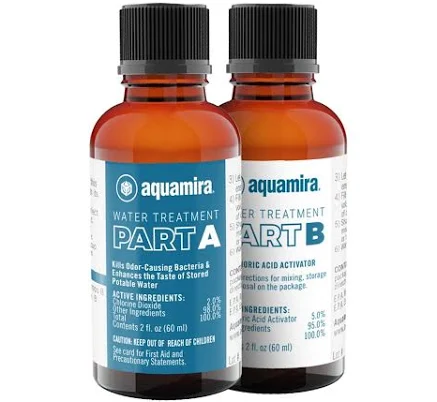
Aquamira
Water Storage Treatment 2 oz Glass Bottles 60 gallons Purification
- glass bottles, sodium dichloroisocyanurate treatment chemical
- We found no PFAS statement from the brand
- Chemical overdose or misuse
5 hazards checked on this product. See all of them.
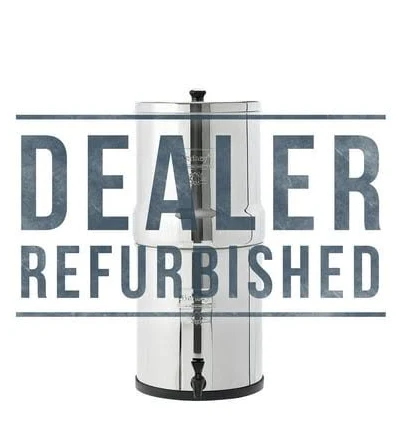
Big Berkey
Empty Housing with NO Filters Included
- Stainless steel housing and spigot
- We found no PFAS statement from the brand
- Bacterial growth and biofilm if filters not replaced
5 hazards checked on this product. See all of them.
LifeStraw
Home Glass Water Filter Pitcher
- Borosilicate glass pitcher, replaceable activated-carbon filter cartridge
- Bacterial growth in filter cartridge if unmaintained
5 hazards checked on this product. See all of them.
More water filters grades
How we score, every product runs through the same public 0-100 rubric based on materials, coatings, brand disclosure, lab findings, and recalls. See the full methodology → Spotted a mistake? Report an error.