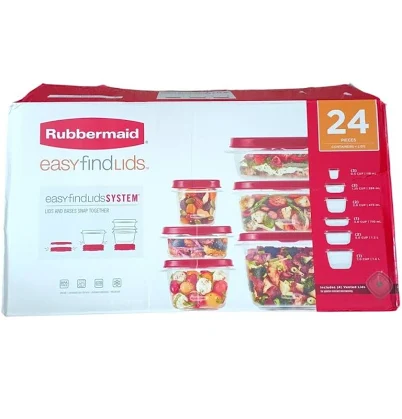
Rubbermaid 24 Pc Easy Find Lid Containers & 8 Pc Stainless Container Set
Lower PFAS concern. Bare stainless steel and polypropylene containers.
This product combines stainless steel containers with polypropylene plastic lids and bases, neither inherently formulated with PFAS. No coatings or water-repellent coating treatments applied. Rubbermaid has not disclosed PFAS status, but bare materials present lower risk.
We flunk more products than we pass. This one earned its grade. How we grade
Material
Polypropylene and stainless steel (bare, uncoated)
Brand disclosure
Brand is silent on PFAS
Lab data
No public lab test
You may also be interested in
Top-graded picks in the categories readers replace first, every one scored on the same rubric.

- polypropylene filter housing, carbon/sediment cartridge
- We found no PFAS statement from the brand
- Bacterial growth in spent cartridges
3 hazards checked on this product, all on its full breakdown.

Aquasure
Premier Series 75 GPD Under Sink Reverse Osmosis Water Filtration System
- RO membrane, carbon filters, stainless steel housing
- We found no PFAS statement from the brand
- Bacterial and microbial growth in housing and filters
4 hazards checked on this product, all on its full breakdown.

Avocado
Vegan Mattress
- organic cotton, natural latex, coconut coir, recycled steel coils
- The brand calls it PFAS-free, which we have not verified
- Heavy metals
2 hazards checked on this product, all on its full breakdown.
What Rubbermaid 24 Pc Easy Find Container Set is made of, ingredients and materials
This set combines polypropylene plastic containers with stainless steel containers, both relatively inert food-contact materials. Polypropylene (PP, #5 plastic) has a higher melting point than #1 or #2 plastics and does not leach BPA or phthalates under normal use. Bare stainless steel (304 or 18/8 grade typical for food containers) does not shed heavy metals into food under standard conditions. The lack of coatings, glazes, or non-stick treatments eliminates several chemical pathways for contamination.
What’s concerning
Category baseline
The starting point for this type of product, before anything specific to this product is counted.
No PFAS disclosure
No public statement from the brand about PFAS in this product.
Plastic degradation and microplastic shedding
Repeated heating, thermal shock, or mechanical stress (cracking, warping) of PP lids can eventually produce plastic particles; risk is low during normal use but increases with age and misuse.
Lid gasket or seal degradation
Gasket materials are not detailed in available product specifications; if elastomer seals degrade over time, they could shed particles or lose sealing integrity, though this is a mechanical rather than chemical hazard.
What’s reassuring
Bare uncoated material
Recorded as a bare, uncoated material with no surface coating or treatment.
BPA & bisphenols
Polypropylene does not contain BPA or phthalates by formulation. No contamination in this product line is on record.
Source, FDA ↗Stainless steel leaching (nickel, chromium)
Food-grade stainless steel (304/18-8) does not leach detectable nickel or chromium under normal storage conditions; bare, uncoated stainless poses minimal risk compared to coated variants.
Heavy metals
No recalls or documented heavy metal contamination in Rubbermaid food containers are on public record; standard manufacturing oversight applies.
Source, FDA ↗How is this PFAS grade calculated?
The brand's record and disclosure
Rubbermaid is a Newell Brands subsidiary with no major documented recalls for chemical contamination in their food storage lines in recent years. The brand does not publicly maintain detailed PFAS or chemical disclosure statements specific to consumer products, which is typical for large housewares manufacturers but limits transparency. No formal third-party certifications (such as BPA-free labeling or NSF certification) are widely advertised for this specific product set, though polypropylene inherently does not contain BPA.
How it compares in its category
Polypropylene and stainless steel containers rank among the lowest-risk options for food storage compared to melamine, certain ceramics, or older plastics that may leach. This product sits in the mainstream mid-market tier, lower concern than very low-cost, unbranded alternatives, but not distinguished by independent testing or eco-certifications common in premium brands. For everyday kitchen use, this combination is functionally equivalent to most store-brand PP containers and stainless tiffins.
If you buy it
Store acidic foods (tomato sauce, citrus, vinegar) separately if possible; while PP and stainless are stable, prolonged contact with high acidity or salt in sealed containers can accelerate minor leaching over years. Do not microwave the PP containers beyond manufacturer guidance, and replace lids if they crack, cloud, or warp, as degraded plastic can shed particles. Hand wash or use low heat cycles to extend lid life. Stainless containers are durable indefinitely but should be air-dried to prevent water spotting and rust at seams if care is poor.
What is not known about PFAS in this product?
- Basis
- Model estimate, 82% confidence, not a lab result
- Lab test
- None on record for this exact product
- Brand statement
- Rubbermaid has made none
Formulations change between production runs, so check the current label. How we grade.
What are the PFAS-free alternatives to Rubbermaid 24 Pc Easy Find Lid Containers & 8 Pc Stainless Container Set?
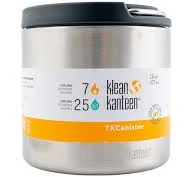
Klean Kanteen
Double Wall Vacuum Insulated Stainless Steel Food Canister Container with Leak Proof Lid
- Stainless steel body, silicone gasket lid seal
- The brand calls it PFAS-free, which we have not verified
- Silicone gasket degradation
3 hazards checked on this product, all on its full breakdown.
More lunch boxes grades
How we score, every product runs through the same public 0-100 rubric based on materials, coatings, brand disclosure, lab findings, and recalls. See the full methodology → Spotted a mistake? Report an error.