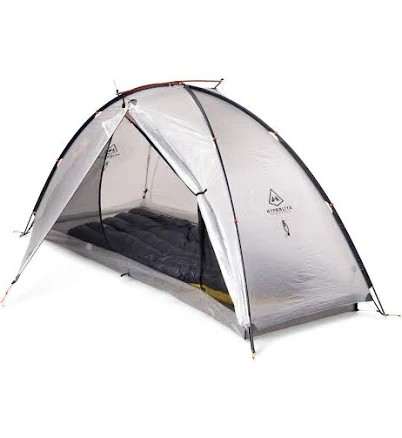
Hyperlite Mountain Gear · Camping Tents & Tarps
Hyperlite Mountain Gear CrossPeak 1
Unknown water-repellent coating finish composition; contact brand for PFAS status before buying if concerned.
The CrossPeak 1 is a lightweight pack with ripstop nylon and a water-repellent coating finish typical of outdoor gear. Hyperlite does not publicly disclose PFAS content or water-repellent coating treatment composition.
Still want this one anyway? Check the price on Amazon. We’d swap it.
Material
Ripstop nylon with water-repellent coating finish
Brand disclosure
Brand is silent on PFAS
Lab data
No public lab test
What Hyperlite Mountain Gear CrossPeak 1 is made of, ingredients and materials
The CrossPeak 1 uses ripstop nylon as its primary fabric, a synthetic polymer chosen for strength-to-weight ratio and tear resistance in backcountry use. The critical variable is the water-repellent coating (water-repellent coating) finish applied to the nylon surface; this coating is what makes the tent water-resistant, but water-repellent coating formulations have historically relied on PFAS compounds (fluorinated chemicals). Ripstop nylon itself is chemically inert once cured, but the water-repellent coating finish composition directly affects long-term safety and environmental impact. Hyperlite does not publicly disclose whether this tent uses fluorocarbon-based (PFAS) or fluorocarbon-free water-repellent coating technology.
What’s concerning
Category baseline
The starting point for this type of product, before anything specific to this product is counted.
No PFAS disclosure
No public statement from the brand about PFAS in this product.
Waterproof / stain-resistant treatment
Water-repellent coating treatments have historically used PFAS.
water-repellent coating finish degradation and chemical shedding
Whether PFAS or fluorocarbon-free, the water-repellent coating will degrade with UV exposure, washing, and use; degraded finishes may release microparticles or residual finish chemicals. No specific testing data exists for the CrossPeak 1, but ripstop nylon water-repellent coating coatings are inherently temporary and require periodic maintenance or reapplication.
Mold and bacterial growth from moisture retention
Ripstop nylon tents that are stored wet or improperly maintained develop mold, which produces allergens and volatile organic compounds (VOCs). This is a maintenance issue, not a manufacturing defect, but ultralight tent designs with tight floor seams can trap moisture if not dried completely between trips.
Seam sealing adhesive volatiles
The CrossPeak 1 uses tape-sealed seams (common ultralight design); seam sealant adhesives can off-gas volatile organic compounds (VOCs) for days to weeks after manufacture. Airing the tent fully before first use and during storage minimizes exposure.
Nylon UV degradation and fiber breakdown
Ripstop nylon breaks down under prolonged UV exposure, leading to microfiber shedding and reduced tear strength over multiple seasons. This is inherent to the material choice and not specific to Hyperlite, but durability claims should be verified against actual field lifespan.
What’s reassuring
Formaldehyde / VOCs
Modern ripstop nylon production typically does not require formaldehyde-based finishing, and no recalls or reports of formaldehyde off-gassing from Hyperlite tents exist. However, independent testing of this specific product has not been publicly reported.
Source, ATSDR ↗The full breakdown
The brand's record and disclosure
Hyperlite Mountain Gear has built reputation on lightweight backpacking gear but maintains minimal transparency regarding chemical treatments and material certifications. The brand does not publish safety data sheets, water-repellent coating finish specifications, or third-party testing results for its products. No independent recalls or chemical safety controversies specific to Hyperlite tents have surfaced in public records. This silence on water-repellent coating composition is typical of smaller outdoor brands but represents a gap in consumer information.
How it compares in its category
Most ultralight tent manufacturers (Big Agnes, Zpacks, Nemo) similarly do not publicly disclose water-repellent coating chemistry; this is an industry-wide transparency issue, not a Hyperlite-specific problem. Some brands like REI Co-op have begun transitioning to fluorocarbon-free water-repellent coating finishes, but Hyperlite has made no public commitment. The CrossPeak 1's material profile (ripstop nylon weight and cost) is competitive, but transparency disadvantage places it in the middle tier of responsible disclosure compared to outdoor peers.
If you buy it
Store the tent dry and well-ventilated when not in use; mildew can degrade both nylon and water-repellent coating finish over time. Wash with mild soap and cool water only; hot water and harsh detergents degrade the water-repellent coating and may release finish chemicals. Inspect the fabric annually for coating wear (water pooling instead of beading indicates water-repellent coating failure); reapplication products exist but add another layer of chemical unknowns. Consider contacting Hyperlite directly to confirm water-repellent coating finish type before purchase if PFAS exposure is a personal concern.
What we don’t know
- Basis
- Model estimate, 45% confidence, not a lab result
- Lab test
- None on record for this exact product
- Brand statement
- Hyperlite Mountain Gear has made none
Formulations change between production runs, so check the current label. How we grade.
More camping tents & tarps grades
How we score, every product runs through the same public 0-100 rubric based on materials, coatings, brand disclosure, lab findings, and recalls. See the full methodology → Spotted a mistake? Report an error.