Hyperlite Mountain Gear · Camping Tents & Tarps
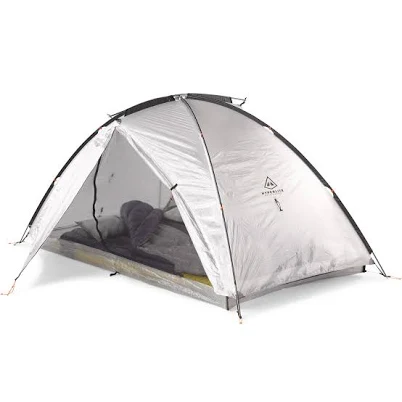
Hyperlite Mountain Gear CrossPeak 2 Freestanding Tent
Avoid until Hyperlite discloses water-repellent coating chemistry or commits to PFAS-free waterproofing.
Hyperlite Mountain Gear's CrossPeak 2 uses durable nylon ripstop with a water-repellent coating, but the brand does not publicly disclose the specific chemistry or make any PFAS-related commitment. water-repellent coating finishes historically relied on PFAS.
Still want this one anyway? Check the price on Amazon. We’d swap it.
Material
Nylon ripstop fabric with unspecified water-repellent coating
Brand disclosure
Brand is silent on PFAS
Lab data
No public lab test
What Hyperlite Mountain Gear CrossPeak 2 is made of, ingredients and materials
The CrossPeak 2 uses nylon ripstop fabric treated with a water-repellent coating (water-repellent coating) coating to shed water, but Hyperlite has not publicly disclosed whether this coating contains PFAS compounds like Teflon-type coating or similar fluorinated chemicals. Nylon itself is stable under normal outdoor use, but the water-repellent coating finish, applied to achieve water resistance, is where PFAS contamination risk concentrates. No independent testing results for this specific tent are on public record.
What’s concerning
Category baseline
The starting point for this type of product, before anything specific to this product is counted.
No PFAS disclosure
No public statement from the brand about PFAS in this product.
Waterproof / stain-resistant treatment
Water-repellent coating treatments have historically used PFAS.
PFAS
Nylon tent water-repellent coating treatments commonly rely on PFAS chemistry; Hyperlite's silence on this point and lack of public PFAS-free commitment suggests conventional (PFAS-containing) treatment is probable, though unconfirmed.
Source, ATSDR ↗Coating degradation and leachate release
Repeated use, humidity, and UV exposure naturally degrade water-repellent coating coatings over 5-10 years; degradation products and any PFAS compounds in the coating may leach into water contact or campsite soil, though risk is low in normal outdoor use.
VOC off-gassing from fabric treatments
New nylon fabric with synthetic coatings may emit volatile organic compounds (solvents, resins) when stored in enclosed spaces; ventilate the tent after purchase and before first use in confined areas.
What’s reassuring
Formaldehyde / VOCs
Nylon ripstop is typically not treated with formaldehyde-based resins (those are more common in cotton blends), but some synthetic blend fabrics or sealing agents may contain trace formaldehyde; no specific data for CrossPeak 2 is on record.
Source, ATSDR ↗Flame retardants
The CrossPeak 2 is listed as nylon ripstop, not polyester; antimony and halogenated flame retardants are not a typical concern for pure nylon tent fabrics unless additives are undisclosed.
Source, EPA ↗The full breakdown
The brand's record and disclosure
Hyperlite Mountain Gear has not published transparency reports on water-repellent coating chemistry or made public commitments to PFAS-free waterproofing. The company's website does not disclose coating specifications or third-party certifications (e.g., Bluesign, GOTS, PFAS-free seals) that would clarify treatment choices. This silence on a known industry issue is a red flag for conscious consumers, though it does not confirm PFAS use, many smaller outdoor brands simply do not prioritize this disclosure.
How it compares in its category
Most freestanding backpacking tents in this category use PFAS-based water-repellent coating coatings; alternatives without intentional PFAS ingredients (silicone or paraffin-based finishes) are still niche and often more expensive or less durable. Hyperlite's pricing and reputation suggest performance-first design rather than precautionary material selection. Brands like Big Agnes and Nemo have begun disclosing or transitioning coating chemistry, making them slightly more transparent competitors.
If you buy it
Assume the water-repellent coating contains PFAS unless you contact Hyperlite and receive written confirmation otherwise. Avoid machine washing or extended heat exposure, as these can degrade the coating and potentially increase leaching. Replace or retire the tent if seams separate, fabric tears allow water ingress, or the water-repellent coating visibly degrades (water no longer beads on fabric surface). Store dry and out of direct sunlight to prolong coating integrity and minimize off-gassing indoors.
What we don’t know
- Basis
- Model estimate, 42% confidence, not a lab result
- Lab test
- None on record for this exact product
- Brand statement
- Hyperlite Mountain Gear has made none
Formulations change between production runs, so check the current label. How we grade.
More camping tents & tarps grades
How we score, every product runs through the same public 0-100 rubric based on materials, coatings, brand disclosure, lab findings, and recalls. See the full methodology → Spotted a mistake? Report an error.