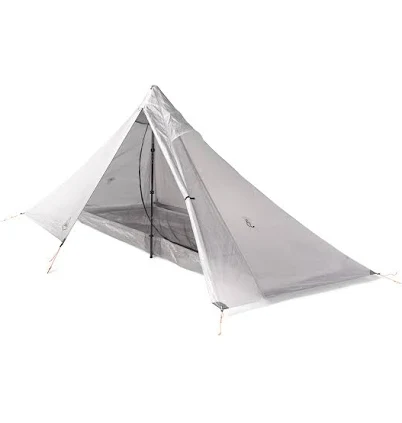
Hyperlite Mountain Gear · Camping Tents & Tarps
Hyperlite Mountain Gear Mid 1 Tent
Avoid or contact brand directly; waterproof tent coating composition remains not disclosed.
Hyperlite Mountain Gear's Mid 1 tent uses ripstop nylon with a water-repellent coating finish, but the brand does not publicly disclose coating chemistry or PFAS content. water-repellent coating treatments historically relied on PFAS.
Still want this one anyway? Check the price on Amazon. We’d swap it.
Material
Ripstop nylon with water-repellent coating (unspecified chemistry)
Brand disclosure
Brand is silent on PFAS
Lab data
No public lab test
What Hyperlite Mountain Gear Mid 1 Tent is made of, ingredients and materials
The Mid 1 uses ripstop nylon fabric, a durable polyamide weave that resists tears and is inherently non-toxic under normal camping use. The concern lies in the water-repellent coating (water-repellent coating) coating applied to achieve waterproofing; Hyperlite has not publicly specified whether this uses PFAS-based chemistry (perfluorinated compounds) or fluorine-free alternatives. Ripstop nylon itself does not off-gas volatile organic compounds (VOCs) in the way some foams or glues do, especially in outdoor ventilated conditions.
What’s concerning
Category baseline
The starting point for this type of product, before anything specific to this product is counted.
No PFAS disclosure
No public statement from the brand about PFAS in this product.
Waterproof / stain-resistant treatment
Water-repellent coating treatments have historically used PFAS.
water-repellent coating composition (unspecified)
Hyperlite has not disclosed whether this tent uses PFAS-based or fluorine-free water-repellent coating. Standard industry practice for ultralight ripstop nylon often involves legacy perfluorinated chemistry; this is a data gap, not confirmed exposure.
Mold and bacterial growth if wet storage
Storing the tent damp promotes mold and mildew, which are irritants and allergens. This is a maintenance issue, not a material hazard; always dry before packing.
What’s reassuring
Microplastics
Ripstop nylon does not shed microfibers under normal camping use. Risk is only theoretical if fabric is abraded harshly or degraded by improper washing/storage over many years.
Source, EPA ↗Adhesives in seam tape and stitching
Seam sealing glues (typically polyurethane-based) are not documented to off-gas toxins under outdoor ventilated conditions. No published health complaints exist for this product or similar nylon tents.
Thermal degradation of nylon fabric
Nylon melts well above normal camping temperatures. Risk of degradation or fume release only occurs in extreme scenarios (direct flame, extended storage in direct sunlight at very high ambient temps), neither realistic for typical use.
The full breakdown
The brand's record and disclosure
Hyperlite Mountain Gear has not published materials certifications (Bluesign, OEKO-TEX) or transparency statements regarding water-repellent coating chemistry on this product. The company's silence on PFAS in waterproof coatings is consistent with many ultralight tent makers, where cost and performance weight minimization often drive specification choices over disclosed safety data. No recalls or documented health incidents are on record for this specific tent model.
How it compares in its category
Most ultralight ripstop nylon tents in this weight class and price tier (sub-2lb shelters) do not disclose water-repellent coating composition; this is standard industry practice. Brands like Big Agnes and MSR increasingly offer fluorine-free water-repellent coating options but typically at higher price points or weight penalties. Hyperlite's lack of transparency is not exceptional for the ultralight segment, but it reflects a category-wide gap in consumer-facing safety disclosure.
If you buy it
Store the tent dry and well-ventilated; avoid compressing it for long periods in sealed bags, which can trap moisture and degrade the nylon over decades. Do not expose to direct flame or place near campfires, as nylon will melt above approximately 150-160°C (neither a realistic camping scenario nor a primary hazard). Reapply water-repellent coating treatments as water beading diminishes (typically every 1-2 years of regular use); use fluorine-free alternatives if you wish to reduce PFAS exposure at that point. Wash with mild soap and water only; harsh detergents or high heat (dryers) degrade both nylon and water-repellent coating coatings.
What we don’t know
- Basis
- Model estimate, 42% confidence, not a lab result
- Lab test
- None on record for this exact product
- Brand statement
- Hyperlite Mountain Gear has made none
Formulations change between production runs, so check the current label. How we grade.
More camping tents & tarps grades
How we score, every product runs through the same public 0-100 rubric based on materials, coatings, brand disclosure, lab findings, and recalls. See the full methodology → Spotted a mistake? Report an error.