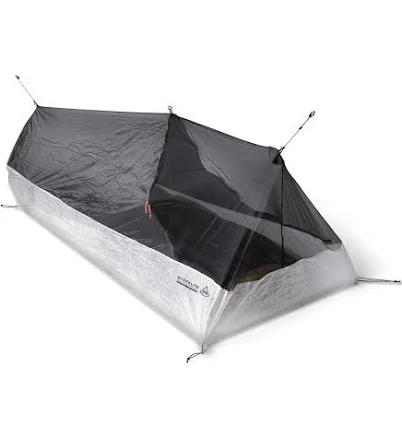
Hyperlite Mountain Gear · Camping Tents & Tarps
Hyperlite Mountain Gear Splash Bivy Seconds
Avoid until manufacturer discloses water-repellent coating treatment chemistry; Hyperlite lacks PFAS transparency on this bivy.
The Splash Bivy Seconds uses water-resistant ripstop nylon typical of ultralight shelters. Hyperlite does not publicly disclose whether their water-repellent coating finish contains PFAS or PFAS alternatives.
Still want this one anyway? Check the price on Amazon. We’d swap it.
Material
Ripstop nylon with water-repellent coating finish (unspecified)
Brand disclosure
Brand is silent on PFAS
Lab data
No public lab test
What Hyperlite Mountain Gear Splash Bivy is made of, ingredients and materials
The Splash Bivy is constructed from ripstop nylon with a water-repellent coating (water-repellent coating) finish. Ripstop nylon itself is inert and stable, but the water-repellent coating is where chemical risk concentrates. Hyperlite does not publicly disclose whether their water-repellent coating uses PFAS-based compounds (traditional) or PFAS-free alternatives (fluorocarbon-free or wax-based). The 'Seconds' designation typically indicates factory cosmetic imperfections, not material composition changes, so chemical profile matches first-quality versions.
What’s concerning
Category baseline
The starting point for this type of product, before anything specific to this product is counted.
No PFAS disclosure
No public statement from the brand about PFAS in this product.
Waterproof / stain-resistant treatment
Water-repellent coating treatments have historically used PFAS.
water-repellent coating degradation and leaching
Ripstop nylon water-repellent coating finishes degrade with use, heat, and UV exposure. Degradation byproducts are typically inert, but PFAS-based water-repellent coating coatings release fluorinated compounds into sweat, skin contact, and water runoff as the coating breaks down. Without disclosure of the specific water-repellent coating chemistry, risk cannot be quantified.
Microplastic shedding from ripstop fabric
Ripstop nylon sheds microfibers during abrasion, use, and washing. Shed fibers are polyamide microplastics. Direct skin contact is minimal in a bivy design, but care practices (gentle rinsing, avoiding machine washing) reduce shedding into water systems.
Lack of transparency on coating chemistry
Hyperlite's failure to disclose water-repellent coating treatment type is documented by absence of public technical data sheets or PFAS commitments. This opacity is consistent with industry practice from pre-2020 manufacturers and contrasts with increasingly transparent competitors.
What’s reassuring
Formaldehyde / VOCs
Ripstop nylon is typically solution-dyed (color embedded in fiber) rather than surface-dyed, which significantly reduces formaldehyde resin and azo dye exposure. No recalls or public complaints specific to Hyperlite bivies on these hazards are documented.
Source, ATSDR ↗Heat vulnerability and fume risk from synthetic materials
Ripstop nylon melts above 250°C; normal camping use does not expose the bivy to such temperatures. No pyrolysis or decomposition fume hazards are relevant under field conditions. Risk is theoretical only if bivy contacts open flame or direct heat source.
The full breakdown
The brand's record and disclosure
Hyperlite Mountain Gear has built reputation on ultralight design and quality control but has not published detailed chemical disclosures or PFAS commitments regarding their fabric treatments. No major recalls or contamination incidents are on public record for this product line. The brand's silence on water-repellent coating chemistry is notable given growing industry awareness of PFAS harm and availability of PFAS-free alternatives by competitors like Big Agnes and Zpacks.
How it compares in its category
Lightweight bivy sacks typically use ripstop nylon; the water-repellent coating finish is standard across the category. Competitors including Zpacks and Mountain Hardwear increasingly disclose PFAS-free water-repellent coating or offer transparent testing. Hyperlite's lack of transparency places this product in a middle position, functionally equivalent to alternatives, but without the chemical assurance some buyers now expect. Price and weight remain competitive advantages independent of safety profile.
If you buy it
Store dry in a cool, dark space away from direct heat and UV to preserve water-repellent coating integrity. Do not machine wash; rinse gently with cool water and air dry to minimize coating degradation and potential leachate release. Replace the water-repellent coating treatment every 2-3 years if heavy use occurs, or discontinue use if water beading noticeably declines. Request Hyperlite's technical documentation on water-repellent coating chemistry before purchase if PFAS exposure concerns you; silence may indicate legacy PFAS-based formulations.
What we don’t know
- Basis
- Model estimate, 45% confidence, not a lab result
- Lab test
- None on record for this exact product
- Brand statement
- Hyperlite Mountain Gear has made none
Formulations change between production runs, so check the current label. How we grade.
More camping tents & tarps grades
How we score, every product runs through the same public 0-100 rubric based on materials, coatings, brand disclosure, lab findings, and recalls. See the full methodology → Spotted a mistake? Report an error.