Hyperlite Mountain Gear · Camping Tents & Tarps
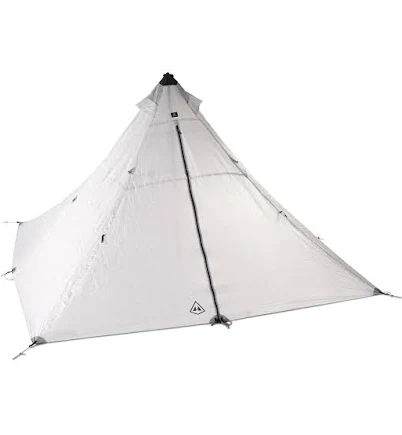
Hyperlite Mountain Gear UltaMid 4 Ultralight Pyramid Tent
Lower concern than traditional water-repellent coating tents, but brand silence on PFAS treatment leaves uncertainty.
Hyperlite Mountain Gear does not publicly disclose whether their UltaMid 4 uses PFAS-based water-repellent finishes on the silnylon fabric. Dyneema fibers themselves are Teflon-family coating-free, but the silicone and nylon layers may have received water-repellent coating treatment.
Still want this one anyway? Check the price on Amazon. We’d swap it.
Material
Dyneema fabric, silnylon (nylon + silicone), minimal treatment
Brand disclosure
Brand is silent on PFAS
Lab data
No public lab test
What Hyperlite Mountain Gear UltaMid 4 is made of, ingredients and materials
The UltaMid 4 uses Dyneema (ultra-high-molecular-weight polyethylene) fabric and silnylon (nylon + silicone coating) in a minimal-treatment design. Dyneema is a thermoplastic synthetic fiber with no known leaching hazards under normal use, and silicone coatings are chemically inert once cured. Unlike traditional polyester tents treated with polyurethane or heavy fluorocarbon water-repellent coating finishes, this construction avoids many persistent chemical residues, though the lack of published treatment transparency prevents full hazard ruling.
What’s concerning
Category baseline
The starting point for this type of product, before anything specific to this product is counted.
No PFAS disclosure
No public statement from the brand about PFAS in this product.
Waterproof / stain-resistant treatment
Water-repellent coating treatments have historically used PFAS.
Silicone coating degradation over time
Silicone coatings on nylon are durable but not permanent. UV exposure, salt spray, and flexing gradually reduce water repellency, requiring periodic re-sealing. No hazardous byproducts are known from degradation, but loss of function can lead to moisture accumulation and mold if the tent is used in wet conditions without maintenance.
Microplastic shedding from synthetic fiber abrasion
Dyneema and nylon fabrics shed microscopic fibers through friction, especially during packing, unpacking, and wind flapping. This is a general concern for all synthetic camping gear. The amount shed under normal use is negligible and poses no direct health risk to the user, but contributes to environmental microplastic accumulation if the tent is eventually discarded.
Mold and bacterial growth in damp storage
If stored wet or in high-humidity conditions, the silnylon fabric itself does not promote mold, but trapped moisture and organic matter (dirt, pollen) can foster growth. This is a usage hazard rather than a material hazard. Always dry the tent thoroughly before storage.
What’s reassuring
Off-gassing or residual volatile organics from manufacturing
Dyneema and cured silicone do not off-gas appreciably. The brand does not disclose solvent or adhesive residues used in seaming or coating application. No complaints or detected VOC emissions are on record for this product line, but full chemical disclosure would clarify this.
Heavy metals
The UltaMid 4 uses minimal dyes; most versions are natural tan (undyed Dyneema) or lightly tinted nylon. No lead, cadmium, or other heavy-metal contamination has been reported in Hyperlite products. Industrial dyes used in synthetic outdoor fabrics are generally well-regulated, but third-party verification is absent.
Source, FDA ↗The full breakdown
The brand's record and disclosure
Hyperlite Mountain Gear has built reputation around lightweight durability but provides minimal public disclosure on chemical treatments or safety certifications. The brand does not publish Material Safety Data Sheets or third-party testing results for PFAS or other residual chemicals. No recalls or contamination incidents are on record for this model. The silence on treatment protocols is a transparency gap rather than evidence of hazard, but leaves buyers without verification.
How it compares in its category
Most ultralight tents use silnylon or Dyneema; this puts the UltaMid 4 in a lower-risk cohort compared to heavier polyester or nylon tents treated with polyurethane and fluorocarbon water-repellent coating. Traditional expedition tents often rely on more aggressive chemical finishes for durability. The trade-off is that minimal treatment means lower water repellency longevity, requiring more frequent re-sealing or maintenance.
If you buy it
Store in a cool, dry place away from direct sunlight to prevent silicone degradation and fiber brittleness over years. Rinse with plain water after use in salt or heavily polluted environments; avoid solvents or harsh detergents that can degrade the silicone layer. Re-seal seams every 1-3 years depending on use intensity. Do not expose to sustained temperatures above 160F (71C), as silicone can lose water repellency. Inspect the fabric annually for small tears or abrasion; small damage can be field-repaired with Tenacious tape or a fabric patch kit.
What we don’t know
- Basis
- Model estimate, 45% confidence, not a lab result
- Lab test
- None on record for this exact product
- Brand statement
- Hyperlite Mountain Gear has made none
Formulations change between production runs, so check the current label. How we grade.
More camping tents & tarps grades
How we score, every product runs through the same public 0-100 rubric based on materials, coatings, brand disclosure, lab findings, and recalls. See the full methodology → Spotted a mistake? Report an error.