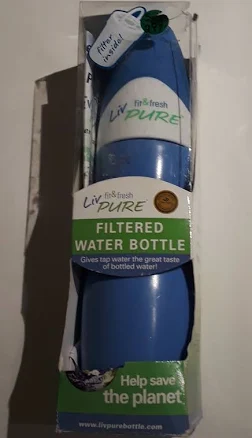
Liv Pure Fit & Fresh Filtered Water Bottle 20oz
Lower concern based on material on record, though filter chemistry is not stated.
The base material is not linked to PFAS concerns. The brand has no PFAS statement on record. Filter cartridge chemistry is not disclosed.
We flunk more products than we pass. This one earned its grade. How we grade
Material
Filtered water bottle with activated carbon or RO filter cartridge
Brand disclosure
Brand is silent on PFAS
Lab data
No public lab test
What Liv Pure Fit & Fresh Filtered Water is made of, ingredients and materials
Liv Pure Fit & Fresh bottles typically use a plastic housing (likely polypropylene or similar food-grade polymer) with an activated carbon or carbon-RO hybrid filter cartridge. The activated carbon stage reduces chlorine taste and odor, while the filter media itself is generally inert once saturated; however, the plastic housing can leach if hot water is introduced or if the bottle degrades over time. The exact composition of the filter media and housing polymer is not fully disclosed by the brand, making independent verification of chemical safety difficult.
What’s concerning
No PFAS disclosure
No public statement from the brand about PFAS in this product.
Bacterial growth in filter media if unmaintained
Activated carbon provides a porous medium where bacteria and mold can proliferate if the cartridge is not replaced on schedule or if the bottle is left wet or in warm conditions for extended periods. This is a common risk in all filtered bottles and intensifies with infrequent cartridge changes or poor drying.
Plastic housing leachables (unspecified polymer)
The brand does not disclose the exact plastic resin type or whether food-grade certification applies. If the polymer is not food-grade polypropylene or tritan, or if it degrades with time or exposure to acidic water, it could release non-PFAS plasticizers or oligomers. UV exposure and physical wear can accelerate degradation.
Filter media composition and durability uncertainty
Indy & Liv does not publicly specify the source, treatment method, or durability profile of its activated carbon or any secondary filter layers. Without third-party test data, residual dust, ash, or media fragments leaching into water after saturation cannot be ruled out, though this is uncommon in quality carbon cartridges.
Cartridge replacement compliance and tracking
No reminder system or obvious visual indicator for cartridge saturation is mentioned. Users who ignore replacement schedules risk both reduced filtration efficacy and increased microbial regrowth, particularly in warm or humid storage conditions.
What’s reassuring
Base material not linked to PFAS
The main material recorded for this product is not one associated with PFAS.
Incomplete contaminant reduction capability
Activated carbon alone does not reliably reduce all bacteria, viruses, heavy metals, or nitrates; the product appears to target chlorine taste and odor. Users expecting comprehensive water purification may be disappointed, though this is an expectation mismatch rather than a safety defect if the product is used as marketed.
The full breakdown
The brand's record and disclosure
Indy & Liv maintains a minimal public stance on material sourcing, filter composition, or third-party testing. No major recalls or safety controversies are established in public records for this specific product line. The brand does not highlight NSF, WQA, or FDA certifications for filter performance or housing safety, limiting confidence in formal compliance verification. Transparency on filter media origin and plastic resin type remains unclear.
How it compares in its category
Entry-level filtered bottles like this occupy a middle ground, cheaper than premium brands (Lifestraw, Grayl) but with less documented filter testing and material disclosure. Many competitors publish NSF or independent lab reports; Liv Pure does not prominently advertise such certifications. The activated carbon approach is standard and effective for taste/odor reduction but does not address all contaminant classes (e.g., heavy metals, bacteria) as comprehensively as RO or multi-stage alternatives.
If you buy it
Replace the filter cartridge every 2-3 months or per manufacturer guidance (typically after 40 gallons), as exhausted carbon loses adsorption capacity and can harbor bacterial regrowth. Do not use with boiling water or in direct sunlight for extended periods, as plastic housing may degrade. Store unused bottles in a cool, dry place and keep the filter dry between uses to minimize microbial colonization. Rinse the bottle before first use and inspect housing for cracks or discoloration before each refill.
What we don’t know
- Basis
- Model estimate, 62% confidence, not a lab result
- Lab test
- None on record for this exact product
- Brand statement
- Liv Pure has made none
Formulations change between production runs, so check the current label. How we grade.
Better-graded alternatives in Water Filters
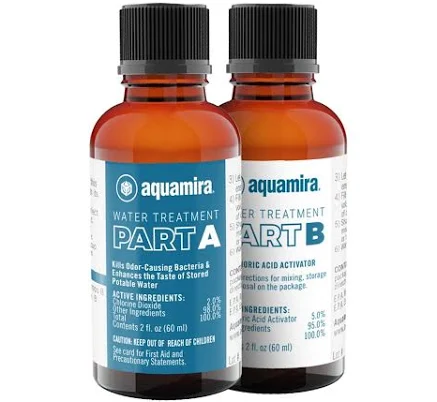
Aquamira
Water Storage Treatment 2 oz Glass Bottles 60 gallons Purification
- glass bottles, sodium dichloroisocyanurate treatment chemical
- We found no PFAS statement from the brand
- Chemical overdose or misuse
5 hazards checked on this product. See all of them.
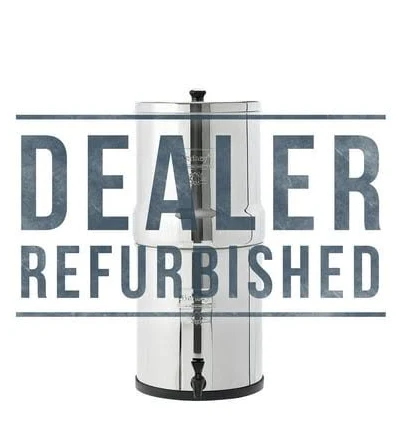
Big Berkey
Empty Housing with NO Filters Included
- Stainless steel housing and spigot
- We found no PFAS statement from the brand
- Bacterial growth and biofilm if filters not replaced
5 hazards checked on this product. See all of them.
LifeStraw
Home Glass Water Filter Pitcher
- Borosilicate glass pitcher, replaceable activated-carbon filter cartridge
- Bacterial growth in filter cartridge if unmaintained
5 hazards checked on this product. See all of them.
More water filters grades
How we score, every product runs through the same public 0-100 rubric based on materials, coatings, brand disclosure, lab findings, and recalls. See the full methodology → Spotted a mistake? Report an error.