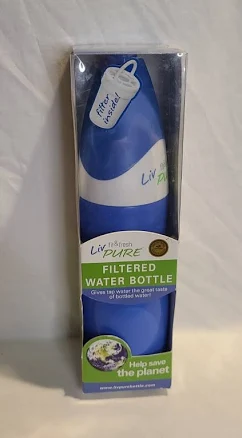
Liv Pure Fit & Fresh Filtered Water Bottle 20oz Plastic
Likely lower concern, but brand silence on PFAS limits confidence.
Standard plastic water bottle with carbon filter lacks typical PFAS-related coatings. Manufacturer makes no PFAS disclosure.
We flunk more products than we pass. This one earned its grade. How we grade
Material
BPA-free plastic, carbon/activated carbon filter
Brand disclosure
Brand is silent on PFAS
Lab data
No public lab test
What Liv Pure Fit & Fresh Filtered Water is made of, ingredients and materials
The Liv Pure bottle is constructed from BPA-free plastic, likely polypropylene (PP) or copolyester, which avoids the endocrine-disruption risk associated with BPA. The integrated activated carbon filter is a mechanical/adsorbent system designed to reduce chlorine taste, some organic contaminants, and particulates from tap water. Activated carbon does not remove all contaminant classes (notably, it has limited efficacy against dissolved minerals, nitrates, or microbes without additional filtration stages). The plastic housing itself is not food-contact critical if the bottle is used for water only, but degradation of internal seals or the filter cartridge over time could introduce microplastics or carbon fines into drinking water.
What’s concerning
No PFAS disclosure
No public statement from the brand about PFAS in this product.
Bacterial growth in filter and housing if unmaintained
Activated carbon filters create a warm, moist habitat for bacteria and mold if cartridges are not replaced regularly or the bottle is stored damp. The brand provides minimal guidance on replacement frequency or hygiene protocols, increasing user error risk.
Microplastics
As the plastic housing and filter seals degrade with age and repeated filling, or if the filter cartridge sheds carbon particles when wet, fine materials may enter drinking water. No published data on the Liv Pure's microplastic shedding rate or longevity testing.
Source, EPA ↗Ineffective contaminant removal beyond taste/odor
Activated carbon is effective for chlorine, some volatile organic compounds, and odor, but has minimal efficacy against heavy metals, PFAS, microbes, nitrates, or fluoride without additional filtration stages. The brand does not clarify the filter's actual reduction claims.
Lack of third-party certification and performance transparency
Absence of NSF, WQA, or EPA certification means contaminant-reduction claims are unverified by independent testing. This limits confidence in the filter's actual performance compared to certified competitors.
What’s reassuring
Base material not linked to PFAS
The main material recorded for this product is not one associated with PFAS.
BPA & bisphenols
BPA-free designation does not preclude leaching of other monomers, plasticizers, or manufacturing residues, but the BPA-free plastic type (likely PP or copolyester) is generally recognized as lower-risk. No independent testing of this specific product's leachate profile is on record.
Source, FDA ↗The full breakdown
The brand's record and disclosure
Indy & Liv is a smaller lifestyle brand with minimal public disclosure on water-safety testing, third-party certifications (such as NSF), or PFAS methodology. No major product recalls or safety controversies are on record for this bottle line. The brand's silence on PFAS testing is notable because activated carbon filters can potentially trap PFAS from source water, but the brand does not publish data on filter efficacy or whether the plastic itself leaches PFAS precursors. Absent certification from NSF, WQA, or similar bodies, claims about contaminant removal rely on general activated carbon science rather than verified performance.
How it compares in its category
Filtered water bottles occupy a middle ground, cheaper than pitcher filters, more convenient than bottles without filters, but less comprehensive than under-sink or whole-house systems. The Liv Pure's 20 oz size and portable design compete with brands like Brita, LifeStraw, and Soma, many of which carry NSF or WQA certifications that provide third-party vetting of contaminant reduction claims. The BPA-free plastic is now standard for reputable brands; differentiation hinges on filter type (this uses basic activated carbon, not reverse osmosis or ion exchange) and maintenance transparency. Carbon filters typically require replacement every 40-60 gallons; the Liv Pure's lack of clear guidance on replacement frequency is a practical weakness.
If you buy it
Replace the filter every 2-3 months or after 40-50 gallons of use, whichever comes first, to avoid bacterial growth and reduced contaminant capture in a saturated cartridge. Do not use the bottle with hot water above 50-60 degrees Celsius, as plastic degradation accelerates and may increase leaching. Rinse the bottle weekly with hot soapy water and air-dry completely to prevent mold or biofilm inside the housing. If you live in a hard-water area or rely on water from unknown sources, consider having your tap water tested independently; a basic activated carbon filter will not address all contaminants and should not replace professional water treatment if health concerns exist.
What we don’t know
- Basis
- Model estimate, 68% confidence, not a lab result
- Lab test
- None on record for this exact product
- Brand statement
- Liv Pure has made none
Formulations change between production runs, so check the current label. How we grade.
Better-graded alternatives in Water Filters
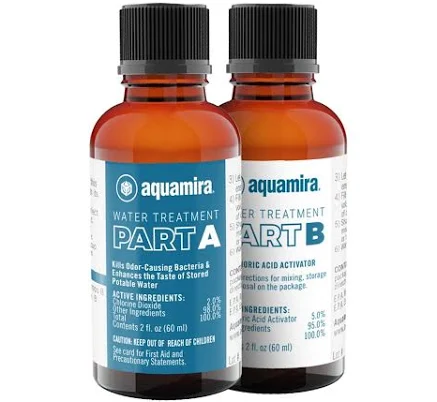
Aquamira
Water Storage Treatment 2 oz Glass Bottles 60 gallons Purification
- glass bottles, sodium dichloroisocyanurate treatment chemical
- We found no PFAS statement from the brand
- Chemical overdose or misuse
5 hazards checked on this product. See all of them.
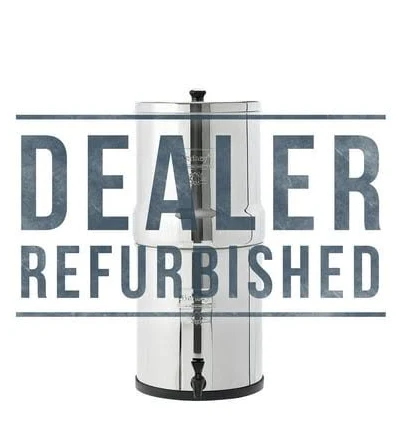
Big Berkey
Empty Housing with NO Filters Included
- Stainless steel housing and spigot
- We found no PFAS statement from the brand
- Bacterial growth and biofilm if filters not replaced
5 hazards checked on this product. See all of them.
LifeStraw
Home Glass Water Filter Pitcher
- Borosilicate glass pitcher, replaceable activated-carbon filter cartridge
- Bacterial growth in filter cartridge if unmaintained
5 hazards checked on this product. See all of them.
More water filters grades
How we score, every product runs through the same public 0-100 rubric based on materials, coatings, brand disclosure, lab findings, and recalls. See the full methodology → Spotted a mistake? Report an error.