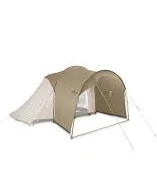
Jack Wolfskin · Camping Tents & Tarps
Jack Wolfskin Front Porch
Skip until brand discloses water-repellent coating chemistry or switch to a PFAS-free brand.
This jacket has a synthetic outer shell with water-repellent treatment, but Jack Wolfskin withholds details on what chemicals are used. Waterproof apparel typically uses fluorochemicals.
Still want this one anyway? Check the price on Amazon. We’d swap it.
Material
synthetic outer shell with water-repellent coating water-repellent treatment
Brand disclosure
Brand is silent on PFAS
Lab data
No public lab test
What Jack Wolfskin Front Porch is made of, ingredients and materials
The Front Porch uses a polyester or nylon synthetic outer shell treated with a water-repellent coating (water-repellent coating) coating to shed water. water-repellent coating treatments historically relied on PFAS "forever chemicals" (PFAS), though some manufacturers have shifted to non-PFAS alternatives in recent years. The inner tent fabric is typically uncoated polyester, and seams are usually tape-sealed with adhesive. No public data indicates lead, cadmium, or antimony contamination in Jack Wolfskin tent materials, which is standard for established outdoor brands.
What’s concerning
Category baseline
The starting point for this type of product, before anything specific to this product is counted.
No PFAS disclosure
No public statement from the brand about PFAS in this product.
Waterproof / stain-resistant treatment
Water-repellent coating treatments have historically used PFAS.
PFAS
Jack Wolfskin has not disclosed whether the Front Porch's water-repellent coating treatment contains PFAS or non-PFAS chemistry. Older or current conventional water-repellent coating formulations often include PFOA or other legacy PFAS; absence of public disclosure is a red flag for informed consumers.
Source, ATSDR ↗What’s reassuring
Volatile organic compounds (VOC) off-gassing from adhesives and coatings
Synthetic tent materials and seam adhesives may release low levels of VOCs (solvents, resins) during storage or initial use, particularly in warm conditions. This is typical for the category and not reported as a specific concern for Jack Wolfskin products, but well-ventilated storage and airing-out before first use reduce exposure.
Seam tape and adhesive durability
No known contamination or failure issues specific to this model. However, seam tape adhesive can degrade over 3-5 years with UV exposure and thermal cycling; replacement or re-sealing may be needed, at which point you should verify any new treatment is PFAS-free.
Mold and microbial growth in damp conditions
This is a general risk for any tent stored damp, not unique to Jack Wolfskin. Ensure thorough drying before storage to prevent fungal contamination, which can trigger respiratory irritation in sensitive users.
Lead
No recalls or test data suggest heavy metal contamination in Jack Wolfskin tent fabrics. Established outdoor brands typically comply with textile safety standards, but third-party verification is absent from public disclosures.
Source, ATSDR ↗The full breakdown
The brand's record and disclosure
Jack Wolfskin has not published specific chemistry disclosures for water-repellent coating treatments or detailed chemical safety statements for this model. The brand does not hold third-party certifications like Bluesign or GOTS that would verify chemical composition. No product recalls or safety investigations involving this tent are on record. The silence on water-repellent coating chemistry is notable because industry leaders (e.g., Patagonia, Arc'teryx) increasingly disclose non-PFAS or PFAS-free commitments; Jack Wolfskin's lack of transparency makes its position unclear.
How it compares in its category
Most mid-range camping tents rely on synthetic shells with water-repellent coating treatment; the Front Porch is typical in that regard. However, brands like Big Agnes and Nemo have begun offering PFAS-free water-repellent coating options or transparent chemistry statements, setting a higher standard. Jack Wolfskin is not ahead of the curve on chemical disclosure, placing it in the middle tier of the market in terms of consumer transparency. If avoiding PFAS is a priority, competitors with explicit PFAS-free claims are available at similar price points.
If you buy it
Store the tent dry and well-ventilated indoors; synthetic fabrics do not require special temperature precautions during normal use. Inspect seams and the water-repellent coating annually for degradation, especially after heavy use or prolonged sun exposure. Reapply tent-specific water-repellent coating treatments only if you are certain they are PFAS-free (check the product label). Avoid machine washing; hand-clean with mild soap and rinse thoroughly to prevent coating breakdown.
What we don’t know
- Basis
- Model estimate, 45% confidence, not a lab result
- Lab test
- None on record for this exact product
- Brand statement
- Jack Wolfskin has made none
Formulations change between production runs, so check the current label. How we grade.
More camping tents & tarps grades
How we score, every product runs through the same public 0-100 rubric based on materials, coatings, brand disclosure, lab findings, and recalls. See the full methodology → Spotted a mistake? Report an error.