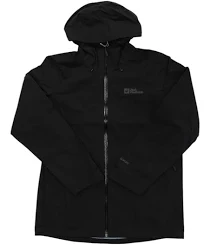
Jack Wolfskin · Cycling Rain Jackets
Jack Wolfskin Men's Highest Peak 3L Jacket
Skip until brand discloses water-repellent coating chemistry or provides third-party testing.
Jack Wolfskin does not publicly disclose PFAS status or water-repellent coating chemistry for this jacket. Standard 3L textile outdoor wear typically uses water-repellent finishes that may contain PFAS.
Still want this one anyway? Check the price on Amazon. We’d swap it.
Material
3-layer textile with water-repellent coating finish, specific chemistry undisclosed
Brand disclosure
Brand is silent on PFAS
Lab data
No public lab test
What Jack Wolfskin Men's Highest Peak 3L Jacket is made of, ingredients and materials
This jacket uses a 3-layer textile construction with a water-repellent coating (water-repellent coating) finish applied to the outer shell. The specific chemical composition of the water-repellent coating treatment is not disclosed by Jack Wolfskin, which is the core concern. 3-layer construction typically pairs a woven or knit face fabric with a waterproof breathable membrane (often polyester or nylon) and a backer fabric, but the actual fiber types and any coatings on internal layers are not confirmed for this model.
What’s concerning
Waterproof / stain-resistant treatment
Water-repellent coating treatments have historically used PFAS.
Category baseline
The starting point for this type of product, before anything specific to this product is counted.
No PFAS disclosure
No public statement from the brand about PFAS in this product.
PFAS
Undisclosed water-repellent coating finish on a 3-layer jacket strongly suggests fluorinated water repellents; PFAS exposure risk exists during manufacturing, use, and laundering. Brand provides no testing or commitment to non-fluorinated alternatives.
Source, ATSDR ↗Formaldehyde / VOCs
3-layer outdoor jackets often use formaldehyde-based resins to set dyes and stabilize fibers. No disclosure available for this product; this is standard in the category but not confirmed here.
Source, ATSDR ↗Azo dyes in colorants
Synthetic polyester and nylon fabrics may be dyed with azo dyes, which can release aromatic amines under certain conditions. Jack Wolfskin does not disclose dye chemistry or comply with ZDHC or similar screening programs.
Synthetic fiber shedding (microfiber)
Polyester and nylon textiles shed microfibers during washing and wear; this is a known environmental and ingestion pathway rather than a direct toxicological hazard, but documented in the laundering of synthetic apparel.
Antimony in polyester
If the 3-layer construction uses polyester as the membrane or backer, it may contain antimony as a catalyst; levels are typically low but not disclosed or tested for this model.
The full breakdown
The brand's record and disclosure
Jack Wolfskin does not publicly disclose the chemistry of its water-repellent coating finishes or provide third-party testing results for PFAS or other treatment chemicals. The brand has not published a detailed chemical disclosure policy or timeline for phasing out fluorinated water repellents, which are standard in outdoor apparel but increasingly scrutinized. This silence is noteworthy in a category where competitors (e.g., Patagonia, Arc'teryx) have committed to PFAS-free alternatives or full transparency.
How it compares in its category
Three-layer jackets with undisclosed water-repellent coating finishes are common in mainstream outdoor apparel, but this product does not stand out as lower-concern compared to peers. Brands offering equivalent waterproof jackets with disclosed non-fluorinated water-repellent coating or transparent PFAS testing are available at similar price points. Jack Wolfskin's lack of commitment to PFAS reduction or disclosure puts this model below category leaders in terms of chemical transparency.
If you buy it
Wash separately in cool water and avoid fabric conditioners, which can degrade the water-repellent coating finish. Do not dry clean or use high heat (machine dry on low heat only if needed). Plan to re-apply commercial water-repellent coating treatments every 1-2 years as the finish wears; this extends the life of the water repellency but reintroduces the unknown chemical exposure. Store in a cool, dry place away from direct sunlight to minimize off-gassing and UV degradation of the synthetic fibers.
What we don’t know
- Basis
- Model estimate, 35% confidence, not a lab result
- Lab test
- None on record for this exact product
- Brand statement
- Jack Wolfskin has made none
Formulations change between production runs, so check the current label. How we grade.
Better-graded alternatives in Cycling Rain Jackets
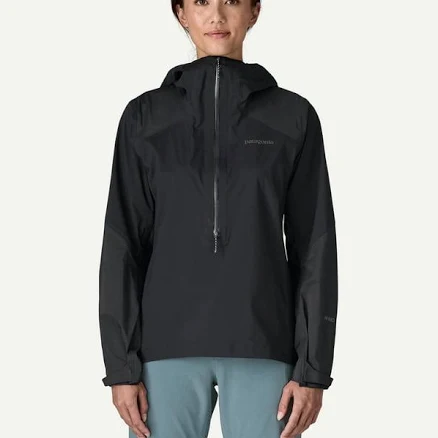
Patagonia
Women's Dirt Roamer Storm Jacket
- polyester shell with water-repellent coating finish
- The brand calls it PFAS-free, which we have not verified
- Azo dyes and color fastness
4 hazards checked on this product. See all of them.
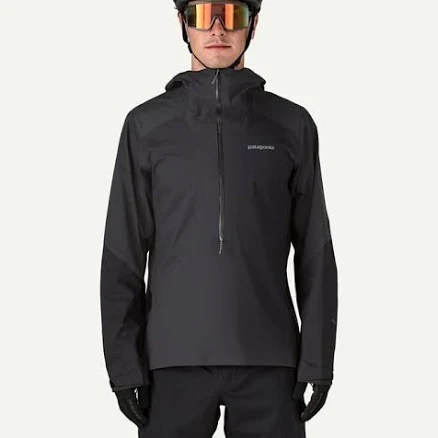
Patagonia
Men's Dirt Roamer Storm Jacket
- nylon/polyester with water-repellent coating water treatment
- The brand calls it PFAS-free, which we have not verified
- PFAS
3 hazards checked on this product. See all of them.
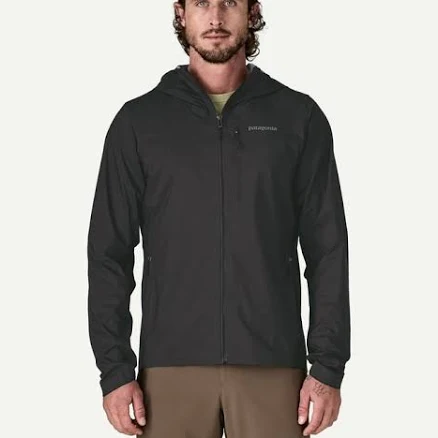
Patagonia
Men's Trail Craft Jacket
- Nylon with water-repellent coating water-repellent coating finish
- The brand calls it PFAS-free, which we have not verified
- water-repellent coating chemistry opacity (fluorinated vs. non-fluorinated)
3 hazards checked on this product. See all of them.
More cycling rain jackets grades
How we score, every product runs through the same public 0-100 rubric based on materials, coatings, brand disclosure, lab findings, and recalls. See the full methodology → Spotted a mistake? Report an error.