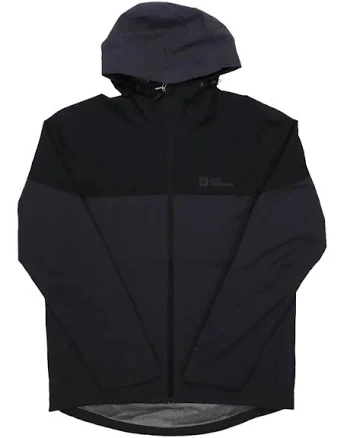
Jack Wolfskin Mens Weiltal 2L Jacket
Waterproof jacket with unknown water-repellent coating treatment, brand silent on PFAS.
Jack Wolfskin does not publicly disclose PFAS use or absence in their water-repellent treatments. The Weiltal 2L's water-repellent coating is typical of outdoor apparel but composition remains unverified. Consider requesting clarification from brand or choosing PFAS-free certified alternatives.
Still want this one anyway? Check the price on Amazon. We’d swap it.
Material
Polyester with water-repellent coating, unspecified
Brand disclosure
Brand is silent on PFAS
Lab data
No public lab test
What Jack Wolfskin Mens Weiltal 2L Jacket is made of, ingredients and materials
The Weiltal 2L uses polyester fabric with a water-repellent coating (water-repellent coating) coating applied to the surface. Polyester itself is thermally stable and does not off-gas formaldehyde under normal wear conditions. The water-repellent coating treatment is the material of concern, Jack Wolfskin does not publicly specify whether this uses fluorinated (PFAS-based) or fluorine-free chemistry, which is a significant transparency gap for a waterproof jacket.
What’s concerning
Waterproof / stain-resistant treatment
Water-repellent coating treatments have historically used PFAS.
Category baseline
The starting point for this type of product, before anything specific to this product is counted.
No PFAS disclosure
No public statement from the brand about PFAS in this product.
water-repellent coating particle shedding
Repeated washing and wear can cause micro-scale water-repellent coating degradation; if fluorinated chemistry is used, this releases PFAS particles, but composition is unconfirmed. Fluorine-free water-repellent coating would present minimal risk even if shed.
What’s reassuring
Polyester antimony catalyst residue
Antimony (Sb) is a standard polymerization catalyst in polyester; no established risk from skin contact at normal wear levels, and regulatory testing has not flagged this jacket model or material class as concerning.
Formaldehyde / VOCs
Modern polyester outerwear rarely uses formaldehyde-based resin finishes; no recall or testing data suggests this product contains detectable formaldehyde. Polyester itself does not require formaldehyde stabilization.
Source, ATSDR ↗Azo dye contamination
Jack Wolfskin products sold in EU and North America markets must comply with bluesign or equivalent standards that restrict azo dyes. No reported incidents of this model showing banned dyes, though independent testing is not on record.
Heat stability during care and wear
Polyester melts above 250 C; normal washing, drying, and body heat present no risk. Risk arises only from intentional high-heat exposure (iron, dryer) which would also degrade the water-repellent coating and is not recommended for technical jackets.
The full breakdown
The brand's record and disclosure
Jack Wolfskin has not published a public PFAS elimination timeline or supplier water-repellent coating specification. The brand does hold bluesign certification on some product lines, which restricts certain hazardous chemicals but does not mandate fluorine-free water-repellent coating. No major safety recalls or toxicity findings have been documented for this specific jacket model. The silence on water-repellent coating chemistry is notably problematic for an outdoor gear brand in an era when competitors increasingly disclose or commit to fluorine-free treatments.
How it compares in its category
Many mid-range outdoor brands (Patagonia, Arc'teryx) now explicitly state fluorine-free water-repellent coating or commit to PFAS phase-out; Jack Wolfskin's lack of disclosure places it below the transparency standard set by leading competitors. Polyester jackets from major brands rarely carry other textile hazards (azo dyes, formaldehyde resins) at reportable levels when manufacturing meets European standards. The unspecified water-repellent coating is the distinguishing factor that creates category uncertainty rather than known risk.
If you buy it
Wash separately from food-contact items the first few times to avoid potential water-repellent coating particles; use cool water and mild detergent, avoiding harsh solvents that may degrade the coating prematurely. Do not dry clean or expose to direct heat sources. Replace or retreat if the water-repellent visibly fails (beading disappears) rather than accepting degraded performance. Consider contacting Jack Wolfskin directly to request water-repellent coating specification; consumer pressure is the most practical way to encourage transparency.
What we don’t know
- Basis
- Model estimate, 45% confidence, not a lab result
- Lab test
- None on record for this exact product
- Brand statement
- Jack Wolfskin has made none
Formulations change between production runs, so check the current label. How we grade.
More rain jackets grades
How we score, every product runs through the same public 0-100 rubric based on materials, coatings, brand disclosure, lab findings, and recalls. See the full methodology → Spotted a mistake? Report an error.