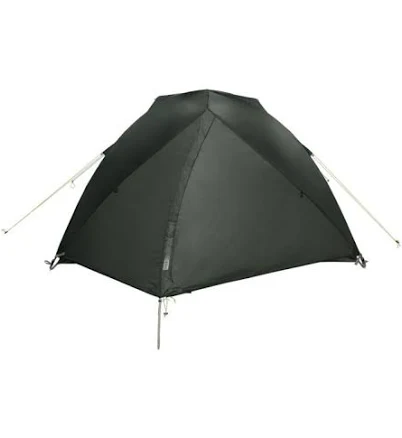
Jack Wolfskin · Camping Tents & Tarps
Jack Wolfskin Sky Dome III Tent
Skip until Jack Wolfskin discloses water-repellent coating chemistry or commits to PFAS-free.
This polyester tent features water-repellent treatment, a standard application where PFAS-based Teflon-family coating remain historically common. Jack Wolfskin makes no public statement.
Still want this one anyway? Check the price on Amazon. We’d swap it.
Material
Polyester fabric with water-repellent coating (water-repellent coating) coating
Brand disclosure
Brand is silent on PFAS
Lab data
No public lab test
What Jack Wolfskin Sky Dome III Tent is made of, ingredients and materials
The Sky Dome III uses polyester fabric, a stable synthetic polymer that does not leach or off-gas significantly under normal camping conditions. The critical component is the water-repellent coating (water-repellent coating) coating, which repels rain but is typically applied using fluorochemical treatments (including PFAS-based compounds like Teflon-type coating or other fluorocarbons). Jack Wolfskin has not publicly disclosed whether their water-repellent coating formulation contains PFAS, making the actual chemical exposure profile unknowable without brand transparency.
What’s concerning
Category baseline
The starting point for this type of product, before anything specific to this product is counted.
No PFAS disclosure
No public statement from the brand about PFAS in this product.
Waterproof / stain-resistant treatment
Water-repellent coating treatments have historically used PFAS.
water-repellent coating chemical composition (fluorochemicals)
Standard water-repellent coating treatments on polyester tents frequently contain PFAS or related fluorochemicals, but Jack Wolfskin does not publicly disclose which type is used on the Sky Dome III. Exposure risk depends on coating formulation and skin contact frequency.
Off-gassing from new tent materials
New polyester tents may release trace volatile organic compounds (VOCs) during initial use, particularly if stored in sealed packaging. This is typical of the category and diminishes within days to weeks of outdoor airing. Not a major health concern for most users but may cause mild odor.
What’s reassuring
Polyester fabric degradation under UV/heat
Polyester is chemically stable and does not leach monomers or plasticizers under normal camping use. No specific degradation hazards have been documented for this product or polyester tent fabrics in general.
Mold and microbial growth in damp storage
The polyester fabric itself does not support mold growth, but moisture trapped in folds or seams during storage can encourage fungal colonization. This is a maintenance issue, not a material hazard.
Heavy metals
No recalls or documented contamination with lead, cadmium, or other heavy metals have been reported for Jack Wolfskin tents. Polyester fabrics do not typically contain heavy-metal pigments in the quantities of concern seen in ceramics or cosmetics.
Source, FDA ↗The full breakdown
The brand's record and disclosure
Jack Wolfskin has no widely documented public commitment to PFAS phase-out or fluorochemical disclosure as of available records. The brand does not appear to have received major recalls or safety actions related to tent coatings. Their silence on water-repellent coating chemistry is typical of many outdoor brands but inconsistent with leaders (Patagonia, MSR) who now disclose or have eliminated PFAS from waterproofing. No certifications like OEKO-TEX or GOTS are prominently marketed for this model.
How it compares in its category
Most mainstream camping tents use fluorochemical water-repellent coating coatings identical to or similar to this product. PFAS-free alternatives exist (some brands now use non-fluorinated water repellents or wax-based treatments) but are less common and often more expensive. The Sky Dome III sits in the middle tier for water-repellent durability; tents with undisclosed chemistry are the industry norm, not an outlier. If PFAS avoidance is a priority, you must specifically seek brands with public PFAS-free claims.
If you buy it
Store the tent dry in a cool, dark place to slow water-repellent coating degradation and avoid heat-accelerated chemical off-gassing. Do not use it near open flame or extreme heat sources; polyester loses integrity above ~140°C. Expect the water-repellent coating to fade after 2-5 years of heavy use; re-treatment is available but may reintroduce PFAS depending on the product used. If PFAS exposure concerns you, contact Jack Wolfskin directly to request water-repellent coating composition data before purchase.
What we don’t know
- Basis
- Model estimate, 42% confidence, not a lab result
- Lab test
- None on record for this exact product
- Brand statement
- Jack Wolfskin has made none
Formulations change between production runs, so check the current label. How we grade.
More camping tents & tarps grades
How we score, every product runs through the same public 0-100 rubric based on materials, coatings, brand disclosure, lab findings, and recalls. See the full methodology → Spotted a mistake? Report an error.