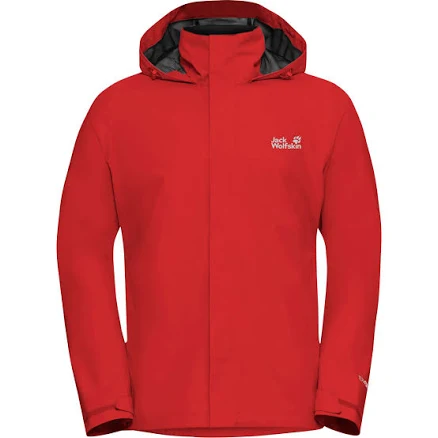
Jack Wolfskin Trailtime 2L Jacket Men
Waterproof jacket with unknown water-repellent coating; PFAS risk unclear from brand.
Jack Wolfskin does not publicly disclose PFAS content or water-repellent coating chemistry for this model. Outdoor jackets typically use water-repellent treatments that may contain PFAS, but confirmation requires direct inquiry with the brand.
Still want this one anyway? Check the price on Amazon. We’d swap it.
Material
Polyamide with water-repellent coating water-repellent coating
Brand disclosure
Brand is silent on PFAS
Lab data
No public lab test
What Jack Wolfskin Trailtime 2L Jacket Men is made of, ingredients and materials
The Trailtime 2L uses polyamide (nylon) as its base fabric with a water-repellent coating (water-repellent coating) coating applied to the surface. Polyamide itself is chemically stable and does not leach under normal wear or washing. The water-repellent coating is where the chemical uncertainty sits, Jack Wolfskin does not publicly specify whether their water-repellent coating uses fluorocarbon chemistry (traditional PFAS) or newer non-fluorinated alternatives. This coating degrades with washing and abrasion, requiring periodic reapplication to maintain waterproofing.
What’s concerning
Waterproof / stain-resistant treatment
Water-repellent coating treatments have historically used PFAS.
Category baseline
The starting point for this type of product, before anything specific to this product is counted.
No PFAS disclosure
No public statement from the brand about PFAS in this product.
water-repellent coating (water-repellent coating) coating degradation
The water-repellent coating will gradually wear off with washing, UV exposure, and abrasion. Reapplication becomes necessary every 12-24 months depending on use frequency; some reapplication products may introduce different chemical hazards if fluorinated.
Azo dyes and synthetic colorants
Dark-colored nylon jackets may use azo dyes, which can release toxic amines under certain conditions (high heat, strong sweat pH, or aggressive washing). No recalls or complaints have been documented for this model, but the hazard is inherent to the textile dyeing process.
What’s reassuring
Formaldehyde / VOCs
Polyamide and polyester fabrics sometimes contain formaldehyde-based dye fixatives or wrinkle-resistance agents. Jack Wolfskin's Bluesign certification suggests some control, but the company does not publicly disclose formaldehyde testing for this model.
Source, ATSDR ↗Polyamide polymer stability under UV and heat stress
Nylon fabrics are generally stable during normal wear and washing. Prolonged storage in hot vehicles or repeated exposure to intense UV (e.g., high-altitude mountaineering) can cause gradual polymer brittleness and loss of stretch, but this is a durability issue rather than a chemical safety hazard.
Antimony catalyst residue in polyamide
Some polyamide production uses antimony as a catalyst; residues can be found in low concentrations in the finished fiber. Migration to skin under normal conditions is minimal and not documented as a hazard for this product category.
The full breakdown
The brand's record and disclosure
Jack Wolfskin has not published a detailed PFAS policy or commitment to fluorine-free water repellency on their website. The company does hold Bluesign certification, which restricts certain harmful chemicals in textile production but does not mandate PFAS-free water-repellent coating treatments. No major recalls or contamination incidents have been documented for this specific model. The brand's silence on water-repellent coating chemistry makes it impossible to confirm whether this jacket uses traditional PFAS or alternative coatings.
How it compares in its category
Most mainstream rain jackets in this price and performance tier use some form of fluorinated water-repellent coating; Jack Wolfskin's approach is typical of the category rather than an outlier. Brands like Patagonia and Arc'teryx have committed to PFAS-free alternatives in some lines, though those often cost more and may require more frequent reapplication. If PFAS avoidance is a priority, you would need to seek brands with explicit non-fluorinated commitments and third-party verification.
If you buy it
Wash infrequently and use gentle, cool water; excessive laundering accelerates water-repellent coating degradation. Avoid high heat (tumble dry on low or air dry only) as polyamide can degrade under sustained heat above 60 C (140 F). When water beading noticeably decreases, you can reapply aftermarket water-repellent coating treatments (choose non-fluorinated if available). Store dry and away from direct sunlight to extend the coating life and prevent polymer brittleness.
What we don’t know
- Basis
- Model estimate, 42% confidence, not a lab result
- Lab test
- None on record for this exact product
- Brand statement
- Jack Wolfskin has made none
Formulations change between production runs, so check the current label. How we grade.
More rain jackets grades
How we score, every product runs through the same public 0-100 rubric based on materials, coatings, brand disclosure, lab findings, and recalls. See the full methodology → Spotted a mistake? Report an error.