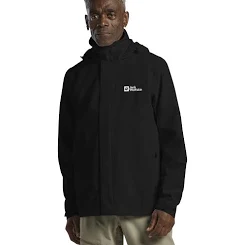
Jack Wolfskin · Cycling Rain Jackets
Men Jack Wolfskin Trailtime 2L Jacket waterproof shell
Skip until brand discloses water-repellent coating chemistry; PFAS risk unclear.
Jack Wolfskin does not disclose the water-repellent coating (water-repellent coating) coating chemistry on this jacket. Standard water-repellent coating finishes often contain PFAS, but the brand provides no transparency or testing data.
Still want this one anyway? Check the price on Amazon. We’d swap it.
Material
polyamide shell with unspecified water-repellent coating
Brand disclosure
Brand is silent on PFAS
Lab data
No public lab test
What Men Jack Wolfskin Trailtime 2L Jacket is made of, ingredients and materials
The Trailtime 2L features a polyamide (nylon) outer shell, a synthetic fiber chosen for its strength, moisture-wicking, and dimensional stability in wet conditions. The water-repellent coating (water-repellent coating) coating applied to the shell is not chemically specified by Jack Wolfskin in public materials. Polyamide itself does not leach heavy metals or release formaldehyde under normal wear, but the identity and composition of the water-repellent finish directly determines whether PFAS or other chemical risks are present.
What’s concerning
Waterproof / stain-resistant treatment
Water-repellent coating treatments have historically used PFAS.
Category baseline
The starting point for this type of product, before anything specific to this product is counted.
No PFAS disclosure
No public statement from the brand about PFAS in this product.
PFAS
The unspecified water-repellent coating finish on the polyamide shell may contain legacy perfluorinated compounds (PFCs) or newer alternatives; absence of brand disclosure prevents confirmation of lower-risk formulations.
Source, ATSDR ↗Coating degradation and microplastic shedding
All water-repellent coating-coated synthetic fabrics shed microscopic particles of coating material during washing and wear; without knowing the composition, you cannot assess whether shed particles are conventional polymers or PFAS-containing compounds.
What’s reassuring
Azo dyes in polyamide fabric
No recalls or documented contamination of Jack Wolfskin polyamide outerwear with restricted azo dyes; standard polyamide dyeing does not inherently require these agents.
Formaldehyde / VOCs
Polyamide typically requires no formaldehyde-based resin finishing (unlike cotton); this jacket shows no known use of formaldehyde for durability or wrinkle resistance.
Source, ATSDR ↗Antimony in polyester blend
The shell is polyamide, not polyester, and antimony is a catalyst for polyester polymerization only; this hazard does not apply to this garment.
The full breakdown
The brand's record and disclosure
Jack Wolfskin has not publicly disclosed the chemistry of its water-repellent coating treatments or committed to PFAS-free alternatives as of available records. The brand does not appear in major independent certifications (Bluesign, OEKO-TEX, or EU ECOLABEL) for chemical transparency, which limits third-party verification of coating safety. This silence is significant because many outdoor brands still use legacy PFAS-based water-repellent coating chemistry without labeling it.
How it compares in its category
Polyamide shells are industry standard for technical outerwear; the material itself poses no differential risk versus nylon competitors. Differentiation hinges entirely on the water-repellent coating, brands like Patagonia and Arcteryx have committed to PFAS-free water-repellent coating finishes (such as wax-based or fluorine-free polymers), while Jack Wolfskin's unspecified approach leaves this jacket in a middle tier of transparency. Without disclosure, you cannot confirm whether this jacket uses safer alternatives or older PFAS-heavy formulations.
If you buy it
Wash separately from other garments in cool water and avoid high-heat drying, which can degrade polyamide and may off-gas or migrate coating components. Do not machine dry on heat; air dry flat or hanging. Reapply water-repellent coating every 20-30 wears if water no longer beads (follow the manufacturer's instructions on the label). Before purchase, contact Jack Wolfskin customer service directly to request written confirmation of water-repellent coating chemistry; if they cannot or will not disclose it, that silence itself is a decision point.
What we don’t know
- Basis
- Model estimate, 35% confidence, not a lab result
- Lab test
- None on record for this exact product
- Brand statement
- Jack Wolfskin has made none
Formulations change between production runs, so check the current label. How we grade.
Better-graded alternatives in Cycling Rain Jackets
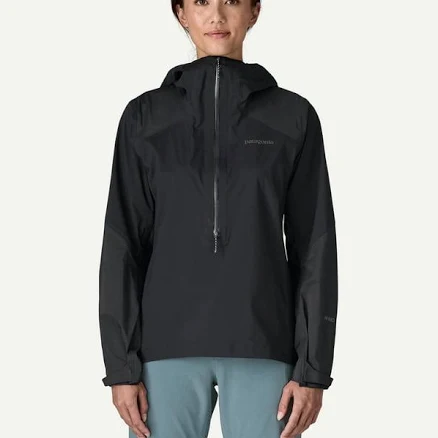
Patagonia
Women's Dirt Roamer Storm Jacket
- polyester shell with water-repellent coating finish
- The brand calls it PFAS-free, which we have not verified
- Azo dyes and color fastness
4 hazards checked on this product. See all of them.
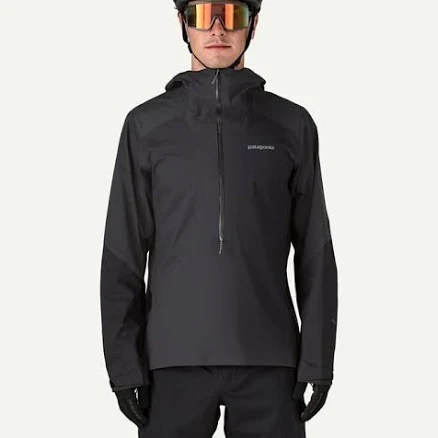
Patagonia
Men's Dirt Roamer Storm Jacket
- nylon/polyester with water-repellent coating water treatment
- The brand calls it PFAS-free, which we have not verified
- PFAS
3 hazards checked on this product. See all of them.
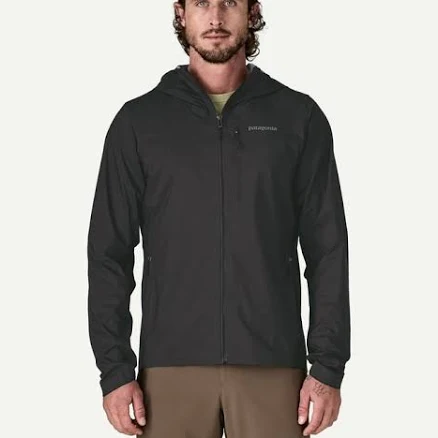
Patagonia
Men's Trail Craft Jacket
- Nylon with water-repellent coating water-repellent coating finish
- The brand calls it PFAS-free, which we have not verified
- water-repellent coating chemistry opacity (fluorinated vs. non-fluorinated)
3 hazards checked on this product. See all of them.
More cycling rain jackets grades
How we score, every product runs through the same public 0-100 rubric based on materials, coatings, brand disclosure, lab findings, and recalls. See the full methodology → Spotted a mistake? Report an error.