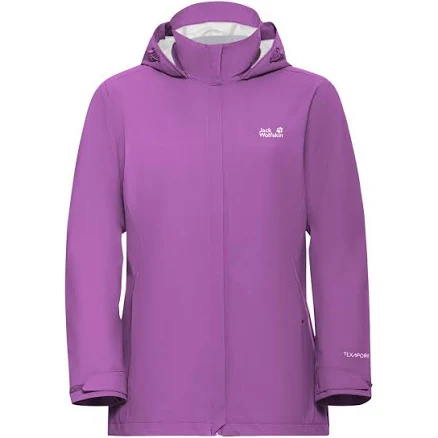
Woman Jack Wolfskin Trailtime 2L Jacket
Waterproof jacket with likely water-repellent coating; PFAS status unclear from brand.
Jack Wolfskin does not publicly disclose PFAS content or water-repellent coating chemistry for this 2L jacket. Waterproof apparel typically uses fluorinated water-repellent coating treatments, but confirmation requires direct brand inquiry.
Still want this one anyway? Check the price on Amazon. We’d swap it.
Material
Polyester with water-repellent coating (water-repellent coating) coating
Brand disclosure
Brand is silent on PFAS
Lab data
No public lab test
What Woman Jack Wolfskin Trailtime 2L Jacket is made of, ingredients and materials
This jacket is polyester with a water-repellent coating (water-repellent coating) coating on the surface. water-repellent coating finishes on outdoor apparel are historically applied using PFAS-based chemistry (perfluorocarbon compounds) to repel water without adding bulk. Polyester fibers themselves are stable and low-toxicity, but the coating and manufacturing process introduce chemical exposure during production and wear. Modern alternatives exist (fluorine-free water-repellent coating, wax-based coatings) but Jack Wolfskin has not publicly committed to either.
What’s concerning
Waterproof / stain-resistant treatment
Water-repellent coating treatments have historically used PFAS.
Category baseline
The starting point for this type of product, before anything specific to this product is counted.
No PFAS disclosure
No public statement from the brand about PFAS in this product.
Formaldehyde / VOCs
Polyester apparel commonly uses formaldehyde-based resins for dye-setting and wrinkle resistance. No specific recalls or tests exist for this Jack Wolfskin model, but the hazard is inherent to polyester construction. Initial off-gassing decreases with washing and airing.
Source, ATSDR ↗Azo dyes
Polyester outdoor jackets often use synthetic azo dyes for color fastness. Some azo dyes can break down to aromatic amines, classified as skin sensitizers and potential carcinogens. Jack Wolfskin does not publicly restrict these; no recalls documented for this model.
water-repellent coating degradation and microplastic shedding
As the water-repellent coating layer wears from washing and use, polymer particles may shed into water systems. This is not unique to Jack Wolfskin but inherent to coated synthetics. Rate accelerates with heat and mechanical stress (machine washing, tumble drying).
What’s reassuring
Antimony in polyester
Antimony trioxide is a rare catalyst in polyester synthesis; modern polyester rarely contains residual antimony at harmful levels. No specific testing or warnings found for Jack Wolfskin polyester apparel. Not a primary concern for this product category.
Flame retardants
This is a casual outdoor jacket, not marketed as flame-resistant, and unlikely to contain added flame retardants. No known restrictions on this brand. Not flagged for this product type.
Source, EPA ↗The full breakdown
The brand's record and disclosure
Jack Wolfskin (owned by Pinewood/Caicos Capital) does not publish detailed chemical disclosure or PFAS-phase-out timelines comparable to competitors like Patagonia or Arc'teryx. The brand has not faced major public product recalls for chemical hazards in recent years, but lacks transparency on restricted-substance lists or third-party certifications (e.g., Bluesign, GOTS). Their website materials focus on durability and performance rather than chemical safety. This silence around PFAS and coating chemistry is notable given industry-wide awareness since 2015.
How it compares in its category
Most mid-range polyester jackets with water-repellent coating coatings carry the same PFAS risk; this is industry-standard, not unique to Jack Wolfskin. Premium brands (Patagonia, Rab) have committed to PFAS-free or fluorine-free water-repellent coating alternatives, while budget brands rarely disclose. Jack Wolfskin sits in the middle market without clear differentiation on chemical safety. Formaldehyde-resin finishes (used to set dyes and improve wrinkle resistance in polyester) are common across this category and not specifically flagged for Jack Wolfskin.
If you buy it
Wash the jacket 2-3 times before extended wear to reduce residual chemical finishes and dyes. Use cool water and mild detergent; avoid hot water or high heat, which can degrade the water-repellent coating prematurely. Do not dry-clean, as solvents can strip or reactivate coatings. Hang dry only. Replace when waterproofing fails or fabric degrades, typically 3-5 years with regular use. Ensure good ventilation when unworn (avoid sealed storage) to minimize off-gassing of volatile organics from the coating.
What we don’t know
- Basis
- Model estimate, 45% confidence, not a lab result
- Lab test
- None on record for this exact product
- Brand statement
- Jack Wolfskin has made none
Formulations change between production runs, so check the current label. How we grade.
More rain jackets grades
How we score, every product runs through the same public 0-100 rubric based on materials, coatings, brand disclosure, lab findings, and recalls. See the full methodology → Spotted a mistake? Report an error.