Jack Wolfskin · Cycling Rain Jackets
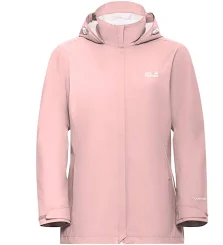
women's Jack Wolfskin Trailtime 2L Jacket
Skip until brand discloses water-repellent coating chemistry or certifies PFAS-free.
Jack Wolfskin's Trailtime jacket uses a 2L polyamide shell with water-repellent coating finish but provides no information on PFAS or coating chemistry. Many outdoor jackets use PFAS-based water-repellent coating treatments.
Still want this one anyway? Check the price on Amazon. We’d swap it.
Material
Polyamide with water-repellent coating, composition unspecified
Brand disclosure
Brand is silent on PFAS
Lab data
No public lab test
What women's Jack Wolfskin Trailtime 2L Jacket is made of, ingredients and materials
This jacket is polyamide (nylon) with a water-repellent coating (water-repellent coating) coating applied to the surface. Polyamide itself does not leach concerning chemicals under normal wear conditions. The water-repellent coating is the material of concern, historically, many outdoor brands used Teflon-type coating or Teflon-type coating-based fluorinated compounds (legacy PFCs) for water repellency, though modern alternatives exist. Jack Wolfskin has not publicly disclosed which water-repellent coating chemistry is used in this model.
What’s concerning
Waterproof / stain-resistant treatment
Water-repellent coating treatments have historically used PFAS.
Category baseline
The starting point for this type of product, before anything specific to this product is counted.
No PFAS disclosure
No public statement from the brand about PFAS in this product.
PFAS
Polyamide rainwear with unspecified water-repellent coating formulations commonly contain legacy PFCs or modern PFAS alternatives. Jack Wolfskin's lack of public disclosure means PFAS presence cannot be ruled out. water-repellent coating coatings can release fluorinated compounds into washing water and, at extreme temperatures, into air.
Source, ATSDR ↗Formaldehyde / VOCs
Polyamide textiles are sometimes finished with formaldehyde-releasing resins for wrinkle resistance or dye fixation. Not all polyamide products contain these; Jack Wolfskin does not publish finishing chemistry for this item. Off-gassing is typically minimal in outdoor apparel after initial wear, but new garments may have detectable odor.
Source, ATSDR ↗Coating degradation and microplastic shedding
Water-repellent coating coatings on polyamide can degrade with washing and UV exposure, potentially shedding microparticles. If the coating is Teflon-type coating-based, particles may be Teflon-type coating microplastics; chemical composition of shed material depends on water-repellent coating type, which is undisclosed.
What’s reassuring
Heavy metals
No recalls or published testing of this specific model for azo dyes or heavy metal pigments in the color are on record. Polyamide is compatible with both compliant and problematic dyes depending on manufacturer process; brand does not disclose dye chemistry.
Source, FDA ↗Antimony in polyester blends (if present)
This item is stated as polyamide, not polyester, so antimony catalyst residue is not a typical concern. Verify product tag confirms no polyester blending; if a polyester component is present, antimony contamination becomes possible.
The full breakdown
The brand's record and disclosure
Jack Wolfskin (owned by Pinewood Trading) has not released a public PFAS elimination timeline or material transparency commitments as of available records. The brand does not advertise PFAS-free or fluorine-free water-repellent coating certification for this product line. Competitors in the outdoor apparel space (Arc'teryx, Patagonia, some REI Co-op lines) have begun disclosing water-repellent coating chemistry or transitioning to Teflon-type coating-free alternatives; Jack Wolfskin's silence represents a gap in accountability.
How it compares in its category
Women's 2L rain jackets with polyamide shells are common across midrange outdoor brands. Jack Wolfskin's pricing and feature set are competitive, but transparency on water-repellent coating chemistry lags brands that certify PFAS-free or use non-fluorinated water repellents (waxes, polyurethane, or silicon-based water-repellent coating). Polyamide durability is standard for this segment; the jacket's longevity depends more on seam sealing and care than material hazard.
If you buy it
Wash the jacket in cool water and avoid hot dryers, as high heat can accelerate any surface coating degradation and potentially release volatile compounds. Do not tumble-dry or expose to sustained heat above 60 degrees Celsius. Reapply water-repellent coating as needed per care instructions (typically every 1-2 years); if the brand does not specify the reapplication product, use one certified PFAS-free or Teflon-type coating-free to avoid compounding fluorine exposure. Check seams and stitching annually for wear; the shell itself is durable, but sealing integrity is critical.
What we don’t know
- Basis
- Model estimate, 35% confidence, not a lab result
- Lab test
- None on record for this exact product
- Brand statement
- Jack Wolfskin has made none
Formulations change between production runs, so check the current label. How we grade.
Better-graded alternatives in Cycling Rain Jackets
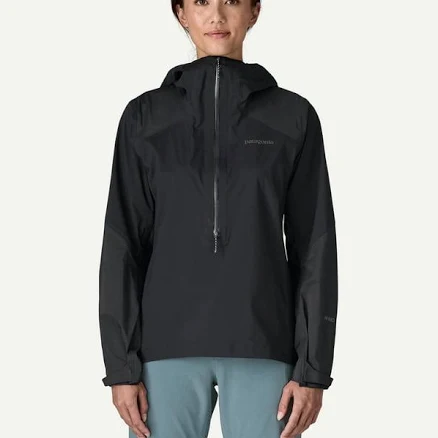
Patagonia
Women's Dirt Roamer Storm Jacket
- polyester shell with water-repellent coating finish
- The brand calls it PFAS-free, which we have not verified
- Azo dyes and color fastness
4 hazards checked on this product. See all of them.
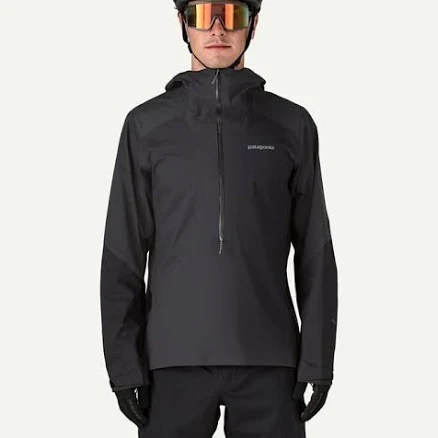
Patagonia
Men's Dirt Roamer Storm Jacket
- nylon/polyester with water-repellent coating water treatment
- The brand calls it PFAS-free, which we have not verified
- PFAS
3 hazards checked on this product. See all of them.
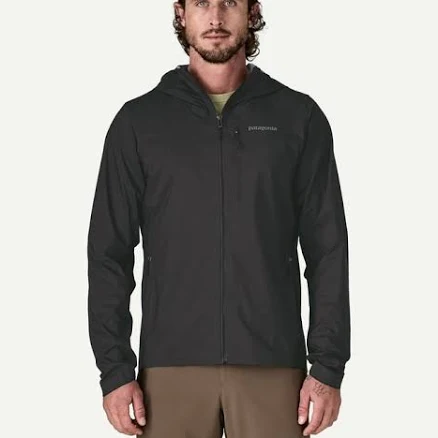
Patagonia
Men's Trail Craft Jacket
- Nylon with water-repellent coating water-repellent coating finish
- The brand calls it PFAS-free, which we have not verified
- water-repellent coating chemistry opacity (fluorinated vs. non-fluorinated)
3 hazards checked on this product. See all of them.
More cycling rain jackets grades
How we score, every product runs through the same public 0-100 rubric based on materials, coatings, brand disclosure, lab findings, and recalls. See the full methodology → Spotted a mistake? Report an error.