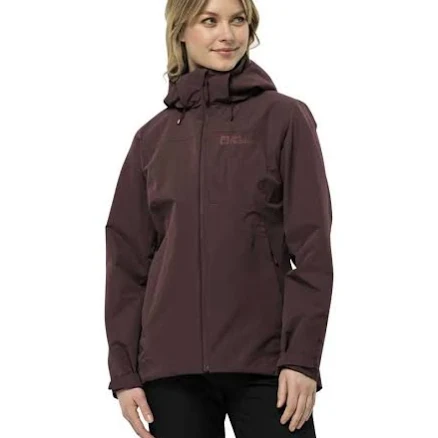
Women's waterproof Jacket Jack Wolfskin Fernblick 2l 1116381
water-repellent coating waterproof jacket; PFAS in coating unknown. Higher caution warranted.
Jack Wolfskin does not disclose PFAS content in this 2L jacket. water-repellent coating is standard but composition unspecified. Consider contacting brand or choosing PFAS-free verified alternatives.
Still want this one anyway? Check the price on Amazon. We’d swap it.
Material
Polyamide shell with unspecified water-repellent coating waterproof coating
Brand disclosure
Brand is silent on PFAS
Lab data
No public lab test
What Women's waterproof Jacket Jack Wolfskin is made of, ingredients and materials
This jacket uses a polyamide (nylon) shell, a synthetic polymer that is chemically stable and does not leach monomers into skin under normal wear. The concern here is not the base fabric, but the water-repellent coating (water-repellent coating) coating applied to it. Jack Wolfskin does not publicly disclose whether this coating uses PFAS-based chemistry (the industry standard until recently) or fluorine-free alternatives. Polyamide itself resists degradation from sweat, body heat, and normal laundering, making it a relatively inert base material.
What’s concerning
Waterproof / stain-resistant treatment
Water-repellent coating treatments have historically used PFAS.
Category baseline
The starting point for this type of product, before anything specific to this product is counted.
No PFAS disclosure
No public statement from the brand about PFAS in this product.
PFAS
Unspecified water-repellent coating formulation on a polyamide shell is a strong indicator of traditional PFAS chemistry. No public commitment to alternatives and no product-level disclosure of fluorine-free status.
Source, ATSDR ↗Formaldehyde / VOCs
Polyamide textiles may use formaldehyde-releasing resins for wrinkle resistance or dye-setting during manufacture. Jack Wolfskin does not specify whether this jacket meets OEKO-TEX or other formal restrictions; none_known for this specific product variant.
Source, ATSDR ↗Coating degradation and microparticle shedding
Water-repellent coating coatings wear down over time and can shed particles during washing or wear. If PFAS-based, shed particles may persist in the environment; if fluorine-free, risk is lower but coating durability varies by formulation.
Off-gassing from polyamide and coatings during initial use
New synthetic fabrics and water-repellent coating coatings can emit volatile organic compounds (VOCs) in the first few days to weeks. Air the jacket outdoors before extended wear to allow volatiles to disperse, especially relevant indoors in poorly ventilated spaces.
What’s reassuring
Azo dyes (banned allergens in colorfast fabrics)
Polyamide accepts dyes readily, but no recalls or documented issues for Jack Wolfskin colorfast products in this line. Standard EU textile regulations should restrict prohibited azo dyes; confirmed testing status not public for this SKU.
The full breakdown
The brand's record and disclosure
Jack Wolfskin (owned by Zalando/Essentials) has not published a transparent chemicals policy or commitment to phasing out PFAS in waterproof coatings, which is a gap compared to some outdoor competitors. The brand does not list certifications like Bluesign or OEKO-TEX on this specific product, which would provide third-party verification of restricted substance limits. No major product recalls or chemical incidents have been recorded for this model, but the lack of publicly available information on water-repellent coating composition is a concern in an industry where alternatives with lower PFAS association exist.
How it compares in its category
Most mainstream waterproof jackets in this price range still use traditional PFAS-based water-repellent coating coatings; Jack Wolfskin is not an outlier here. However, premium brands like Patagonia and Arc'teryx now disclose or commit to PFAS elimination, making this jacket's opacity a competitive disadvantage. Fluorine-free water-repellent coating technologies (wax-based, silicone-based) are now commercially viable, so the lack of disclosure suggests either older stock formulations or a cost-focused supply chain decision.
If you buy it
Wash separately in cool water with minimal detergent to preserve the water-repellent coating and reduce any potential leaching of coating particles. Avoid high heat (tumble dry low only, if at all; air dry preferred) as thermal stress can degrade polymer-based coatings and increase off-gassing. Do not use harsh solvents or dry-cleaning, which can damage both nylon and water-repellent coating layers. If you are concerned about PFAS exposure, contact Jack Wolfskin directly to request water-repellent coating chemistry disclosure before purchase; if they cannot specify, consider switching to a brand with transparent, PFAS-free certifications.
What we don’t know
- Basis
- Model estimate, 35% confidence, not a lab result
- Lab test
- None on record for this exact product
- Brand statement
- Jack Wolfskin has made none
Formulations change between production runs, so check the current label. How we grade.
More rain jackets grades
How we score, every product runs through the same public 0-100 rubric based on materials, coatings, brand disclosure, lab findings, and recalls. See the full methodology → Spotted a mistake? Report an error.