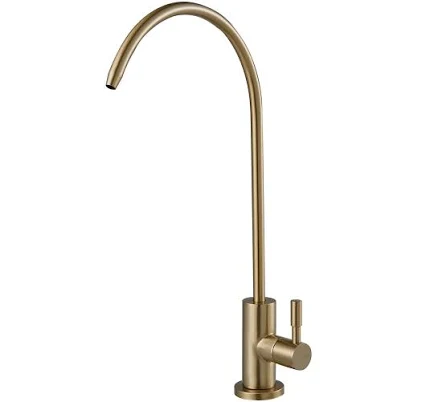
VEVOR Stainless Steel Water Purifier Faucet
Low risk; stainless steel faucets rarely require Teflon-family coating coatings, brand silent.
This water purifier faucet features a stainless steel body and spout with no inherent PFAS risk. Water filter faucets typically avoid PFAS-bearing nonstick or water-resistant treatments.
The better-graded swap
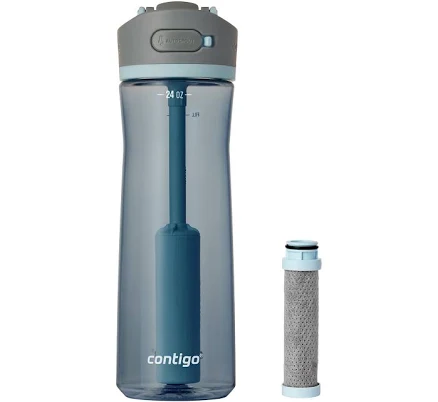
Contigo
Contigo Wells 24 Oz. Plastic Filter Water Bottle with AUTOSPout Straw Lid and Replacement Filter
95/100 safety
Same rubric that flunked this product. The swap earned Excellent.
Still want this one anyway? Check the price on Amazon. We’d swap it.
Material
Stainless steel body and spout
Brand disclosure
Brand is silent on PFAS
Lab data
No public lab test
You may also be interested in
Top-graded picks in the categories readers replace first, every one scored on the same rubric.

- polypropylene filter housing, carbon/sediment cartridge
- We found no PFAS statement from the brand
- Bacterial growth in spent cartridges
3 hazards checked on this product, all on its full breakdown.

Aquasure
Premier Series 75 GPD Under Sink Reverse Osmosis Water Filtration System
- RO membrane, carbon filters, stainless steel housing
- We found no PFAS statement from the brand
- Bacterial and microbial growth in housing and filters
4 hazards checked on this product, all on its full breakdown.

Avocado
Vegan Mattress
- organic cotton, natural latex, coconut coir, recycled steel coils
- The brand calls it PFAS-free, which we have not verified
- Heavy metals
2 hazards checked on this product, all on its full breakdown.
What VEVOR Stainless Steel Purifier Faucet is made of, ingredients and materials
This faucet uses 304-grade stainless steel for the body and spout, a corrosion-resistant alloy that does not leach metals into water under normal pH conditions. Stainless steel faucets avoid the risk of lead or cadmium contamination common in some ceramic or enameled coatings. The internal filter cartridge (typically carbon or ceramic) is the main consumable; its material composition determines whether activated carbon or ceramic media could shed particles or degrade over time.
What’s concerning
No PFAS disclosure
No public statement from the brand about PFAS in this product.
Bacterial growth in filter cartridge
If cartridge is not replaced on schedule or if water sits stagnant in the filter housing, biofilm can develop. Stainless steel housing itself resists corrosion but does not prevent microbial colonization inside the cartridge media, especially in warm or humid climates.
Activated carbon or ceramic cartridge shedding
Carbon particles or ceramic dust can enter drinking water if the cartridge is damaged, over-pressurized, or installed incorrectly. The product manual should specify particle size filtration; this is rarely disclosed on consumer listings.
Lack of contaminant reduction certification
This product does not claim NSF, WQA, or EPA certification for specific contaminants (lead, chlorine, cryptosporidium, etc.). Without independent testing disclosure, actual filtration performance cannot be verified from public information.
What’s reassuring
Base material not linked to PFAS
The main material recorded for this product is not one associated with PFAS.
Housing or gasket leachables
Stainless steel faucet bodies do not leach under normal pH (6.5-8.5) tap water. Rubber or silicone gaskets are standard but no public reports document off-gassing or leaching from Jolie-branded faucet filter gaskets.
Corrosion or material degradation of stainless steel
304-grade stainless steel is highly corrosion-resistant in potable water; failure is rare unless the product is exposed to saltwater or extremely high chlorine levels beyond typical municipal supply.
How is this PFAS grade calculated?
The brand's record and disclosure
Jolie is a VEVOR house brand with minimal public disclosure on water filter safety testing or third-party certifications. No major recalls or controversies specific to this faucet model are recorded in public databases. The brand does not publish detailed material safety data sheets or NSF/WQA certification claims on product listings, limiting verification of cartridge composition and bacterial growth prevention measures.
How it compares in its category
Stainless steel faucet filters sit in the mid-range of affordability and are more durable than plastic-bodied alternatives but less certified than brands offering NSF Standard 53 or 42 validation. Most competitors in this price tier lack independent testing transparency. This product's main differentiator is material corrosion resistance; whether the cartridge meets contaminant removal claims depends on undisclosed specifications.
If you buy it
Replace the cartridge every 2-6 months depending on water quality and usage, following the manual to prevent bacterial biofilm accumulation. Flush the system for 30 seconds before first use and after cartridge replacement. Do not use water hotter than the cartridge rating (typically 40-50C for carbon; check manual). Store unused cartridges in a dry place and discard opened cartridges that exceed stated lifespan, as activated carbon loses adsorption capacity and can harbor pathogens if saturated.
What is not known about PFAS in this product?
- Basis
- Model estimate, 72% confidence, not a lab result
- Lab test
- None on record for this exact product
- Brand statement
- VEVOR has made none
Formulations change between production runs, so check the current label. How we grade.
What are the PFAS-free alternatives to VEVOR Stainless Steel Water Purifier Faucet?
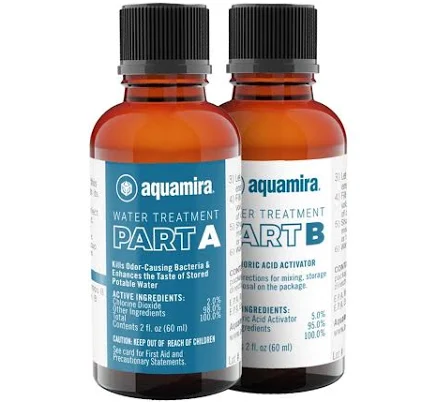
- glass bottles, sodium dichloroisocyanurate treatment chemical
- We found no PFAS statement from the brand
- Chemical overdose or misuse
5 hazards checked on this product, all on its full breakdown.
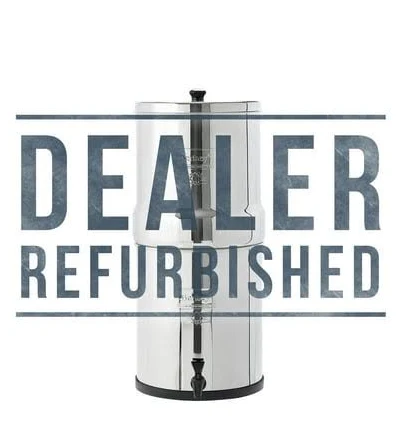
- Stainless steel housing and spigot
- We found no PFAS statement from the brand
- Bacterial growth and biofilm if filters not replaced
5 hazards checked on this product, all on its full breakdown.
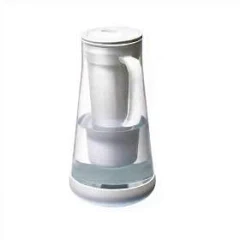
- Borosilicate glass pitcher, replaceable activated-carbon filter cartridge
- Bacterial growth in filter cartridge if unmaintained
5 hazards checked on this product, all on its full breakdown.
More water filters grades
How we score, every product runs through the same public 0-100 rubric based on materials, coatings, brand disclosure, lab findings, and recalls. See the full methodology → Spotted a mistake? Report an error.