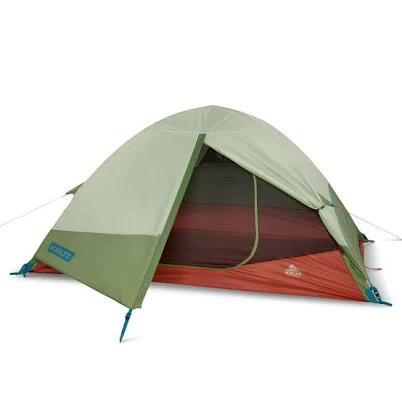
Quest Outdoors Discovery Trail 2 Tent
water-repellent coating origin unconfirmed; skip if PFAS-free status matters to you.
Kelty makes no public statement about whether this tent uses PFAS-based or PFAS-free water-repellent coating treatments. Modern outdoor tents often rely on fluorochemical water repellents, though some brands have moved to PFAS-free options. No lab testing or certification available.
Still want this one anyway? Check the price on Amazon. We’d swap it.
Material
polyester fabric with water-repellent coating (water-repellent coating) coating
Brand disclosure
Brand is silent on PFAS
Lab data
No public lab test
You may also be interested in
Top-graded picks in the categories readers replace first, every one scored on the same rubric.

Aqua Pure
3M Aqua-Pure AP802B Whole House Filter Housing
- polypropylene filter housing, carbon/sediment cartridge
- We found no PFAS statement from the brand
- Bacterial growth in spent cartridges
3 hazards checked on this product. See all of them.

Aquasure
Premier Series 75 GPD Under Sink Reverse Osmosis Water Filtration System
- RO membrane, carbon filters, stainless steel housing
- We found no PFAS statement from the brand
- Bacterial and microbial growth in housing and filters
4 hazards checked on this product. See all of them.

Avocado
Vegan Mattress
- organic cotton, natural latex, coconut coir, recycled steel coils
- The brand calls it PFAS-free, which we have not verified
- Heavy metals
2 hazards checked on this product. See all of them.
What Quest Outdoors Discovery Trail 2 Tent is made of, ingredients and materials
The Discovery Trail 2 uses polyester fabric, a stable synthetic polymer that resists UV damage and moisture better than cotton. The critical component is the water-repellent coating (water-repellent coating) coating applied to the exterior. water-repellent coating coatings are designed to shed rain while allowing fabric to breathe. The identity of Kelty's specific water-repellent coating chemistry is not publicly disclosed; historically many outdoor brands used PFOA or PFOS-based formulations, though many have transitioned to alternatives. Polyester itself is chemically inert when intact; risk centers on the coating and how it degrades over time.
What’s concerning
Category baseline
The starting point for this type of product, before anything specific to this product is counted.
No PFAS disclosure
No public statement from the brand about PFAS in this product.
Waterproof / stain-resistant treatment
Water-repellent coating treatments have historically used PFAS.
water-repellent coating degradation and reapplication chemistry
Polyester water-repellent coating coatings degrade through UV exposure and washing over 2-3 years. Reapplication products vary in chemical composition; some spray-on renewers contain additional fluorine compounds or VOCs. No specific toxicity data exists for the Discovery Trail 2 coating itself, but degraded water-repellent coating (flaking, uneven coverage) poses no direct health risk beyond loss of water resistance.
Seam sealant and tape adhesives
Waterproof seam sealants applied to tent seams may contain volatile organic compounds (VOCs) or plasticizers. Most modern tent seam tapes cure fully during manufacturing. Initial off-gassing in a new tent is typically mild and resolves within days of airing; no specific hazard documented for Discovery Trail 2 seam treatment.
Mold/bacterial growth if stored wet
Polyester itself resists mold, but trapped moisture in a closed, unventilated tent creates conditions for fungal and bacterial colonization. This is a storage and maintenance issue, not a material toxicity issue. Proper drying and ventilated storage prevent this; no product defect involved.
What’s reassuring
Formaldehyde / VOCs
Polyester textiles can contain formaldehyde-based finishing resins. Kelty does not disclose presence or absence of such treatments for this model. Standard outdoor use (tent aired out after purchase, primarily outdoors) minimizes inhalation exposure. No recalls or complaints specific to odor or respiratory issues linked to Discovery Trail 2 have been documented.
Source, ATSDR ↗Polyester antimony content
Polyester fabric may contain antimony as a catalyst used in polymer synthesis. Levels in finished textiles are typically trace and immobilized; direct skin contact or ingestion risk is not established for intact tent fabric. No public testing or complaints regarding antimony in Kelty tents exist.
The full breakdown
The brand's record and disclosure
Kelty (owned by Cascade Designs/Big Agnes) has not published a detailed PFAS policy or third-party certifications for their standard tent lines. The company does not transparently specify whether their water-repellent coating coatings are fluorine-free. Kelty offers some products marketed with reduced environmental footprints, but the Discovery Trail 2 is positioned as a mainstream budget-to-mid-range tent without specific chemical transparency. No major recalls or safety incidents linked to this model have been publicly reported.
How it compares in its category
Most mainstream tents in this price tier (Kelty, Coleman, REI Co-op) use conventional water-repellent coating coatings with unverified fluorine chemistry. Fluorine-free water-repellent coating alternatives (wax, silicone) are available but less common in budget models and typically cost more. The Discovery Trail 2 is not positioned as an eco-certified or low-chemical option; it represents the standard category baseline. Premium brands (MSR, Hyperlite) often disclose coating chemistry more clearly, though at higher cost.
If you buy it
Store the tent dry and well-ventilated; off-gassing of any residual coating chemicals is minimal in outdoor use but relevant during initial setup indoors. Avoid prolonged contact of the interior fabric with bare skin if you experience irritation. Re-apply water-repellent coating every 2-3 years depending on use frequency; follow manufacturer guidance on products compatible with polyester. Inspect seams and coating annually for degradation, as loss of water repellency is the primary functional failure mode, not a chemical hazard per se.
What we don’t know
- Basis
- Model estimate, 45% confidence, not a lab result
- Lab test
- None on record for this exact product
- Brand statement
- Quest has made none
Formulations change between production runs, so check the current label. How we grade.
More camping tents & tarps grades
How we score, every product runs through the same public 0-100 rubric based on materials, coatings, brand disclosure, lab findings, and recalls. See the full methodology → Spotted a mistake? Report an error.