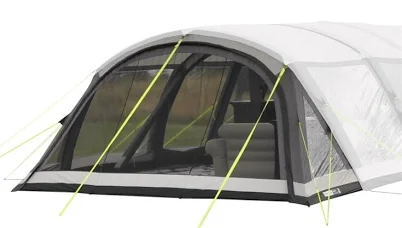
Khyam Airtek 6 Canopy Enclosure
Skip until brand reveals waterproof coating chemistry.
Khyam makes waterproof-treated polyester canopies, a typical PFAS risk category. The brand offers no coating disclosure or PFAS commitments whatsoever.
Still want this one anyway? Check the price on Amazon. We’d swap it.
Material
Polyester fabric with waterproof coating
Brand disclosure
Brand is silent on PFAS
Lab data
No public lab test
You may also be interested in
Top-graded picks in the categories readers replace first, every one scored on the same rubric.

Aqua Pure
3M Aqua-Pure AP802B Whole House Filter Housing
- polypropylene filter housing, carbon/sediment cartridge
- We found no PFAS statement from the brand
- Bacterial growth in spent cartridges
3 hazards checked on this product. See all of them.

Aquasure
Premier Series 75 GPD Under Sink Reverse Osmosis Water Filtration System
- RO membrane, carbon filters, stainless steel housing
- We found no PFAS statement from the brand
- Bacterial and microbial growth in housing and filters
4 hazards checked on this product. See all of them.

Avocado
Vegan Mattress
- organic cotton, natural latex, coconut coir, recycled steel coils
- The brand calls it PFAS-free, which we have not verified
- Heavy metals
2 hazards checked on this product. See all of them.
What Khyam Airtek 6 Canopy Enclosure is made of, ingredients and materials
The Khyam Airtek 6 uses polyester fabric with a waterproof coating applied to block water ingress. The coating chemistry is not publicly disclosed by Khyam, which is the core safety gap, most outdoor fabric waterproofing relies on either PFAS-based durable water repellents (water-repellent coating) or polyurethane layers. Polyester itself is stable and non-toxic when intact, but the coating's durability and composition directly affect whether harmful substances leach or off-gas over the product's lifetime.
What’s concerning
Category baseline
The starting point for this type of product, before anything specific to this product is counted.
No PFAS disclosure
No public statement from the brand about PFAS in this product.
Waterproof / stain-resistant treatment
Water-repellent coating treatments have historically used PFAS.
Polyurethane or Teflon-family coating degradation and leachate
Waterproof coatings on polyester can degrade under UV exposure, moisture, and mechanical stress, releasing oligomers or residual monomers. Without disclosure of coating type, risk cannot be quantified, but this is a known mechanism in aged outdoor fabrics.
Off-gassing of volatile organic compounds (VOCs) from coating
New polyester canopies with applied waterproof coatings often emit chemical odors in the first weeks of use. Polyurethane-based coatings are typical sources; adequate ventilation during initial setup and storage reduces inhalation exposure.
Allergen or irritant from undisclosed chemical finishes
Formaldehyde-based resins are occasionally used in fabric finishing; if present, they can off-gas and cause respiratory or skin irritation in sensitive individuals. Khyam does not publish finishing chemistry, so this risk cannot be ruled out.
What’s reassuring
Microplastic shedding from abraded polyester fabric
No specific testing of the Khyam Airtek 6 for microplastic release has been published. General polyester fabrics shed microfibers with wear and abrasion; impact is minimal for a stationary canopy but notable if fabric is folded, compressed, or repacked frequently.
Heavy metals
No recalls or warnings specific to dye or pigment contamination in Khyam fabrics are on record. Polyester is inherently lower-risk than natural fibers for azo dye issues, provided no specialty dyes or flame retardant additives are applied, which is not disclosed.
Source, FDA ↗The full breakdown
The brand's record and disclosure
Khyam has not published transparency statements about waterproof coating chemistry, PFAS use, or third-party testing for their fabric treatments. No major safety recalls or complaints specific to the Airtek 6 line appear in public databases, but absence of disclosure is not absence of hazard. The brand's silence on this point is standard for mid-tier camping brands and reflects an industry-wide reluctance to specify coating suppliers or chemistry.
How it compares in its category
Canvas bell tents and traditional cotton-poly blends typically avoid PFAS-dependent coatings by relying on wax or thicker weave, though they are heavier and slower to dry. Modern polyester alternatives from larger outdoor brands (REI, Big Agnes, Decathlon) increasingly disclose PFAS avoidance or third-party verification. The Khyam Airtek 6 sits in the mid-tier segment where cost pressures favor conventional (often PFAS-laden) waterproofing; this is not unusual but represents higher risk than premium or eco-certified alternatives.
If you buy it
Store the canopy dry and well-ventilated; do not leave wet or bundled for extended periods, as trapped moisture can promote coating breakdown and potential leachate. Inspect the fabric annually for peeling, chalking, or discoloration, which signal coating degradation; replacement of the fabric or whole unit is warranted if coating integrity is visibly compromised. Avoid high heat (keep away from open flame, heaters, and direct sunlight in storage) and do not machine wash or tumble dry, as friction and heat accelerate coating failure. If you plan to use this for more than 5-10 seasons, prioritize purchasing from a brand with published waterproof chemistry or certifications, as the Khyam Airtek's coating longevity and chemical safety remain unverified.
What we don’t know
- Basis
- Model estimate, 35% confidence, not a lab result
- Lab test
- None on record for this exact product
- Brand statement
- Khyam has made none
Formulations change between production runs, so check the current label. How we grade.
More camping tents & tarps grades
How we score, every product runs through the same public 0-100 rubric based on materials, coatings, brand disclosure, lab findings, and recalls. See the full methodology → Spotted a mistake? Report an error.