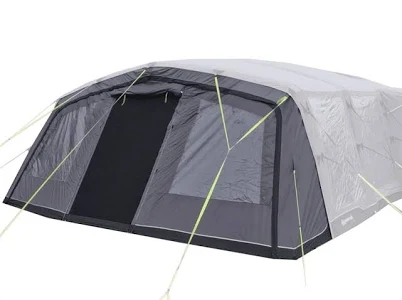
Khyam AirTek Delamere 8.0 Canopy Enclosure
Skip until brand reveals waterproof treatment chemistry.
Khyam keeps silent on PFAS or the specific waterproofing agent in this canopy. Outdoor textiles commonly get water-repellent coating treatments, many historically PFAS-based.
Still want this one anyway? Check the price on Amazon. We’d swap it.
Material
Polyester canopy fabric with unspecified waterproof coating
Brand disclosure
Brand is silent on PFAS
Lab data
No public lab test
You may also be interested in
Top-graded picks in the categories readers replace first, every one scored on the same rubric.

Aqua Pure
3M Aqua-Pure AP802B Whole House Filter Housing
- polypropylene filter housing, carbon/sediment cartridge
- We found no PFAS statement from the brand
- Bacterial growth in spent cartridges
3 hazards checked on this product. See all of them.

Aquasure
Premier Series 75 GPD Under Sink Reverse Osmosis Water Filtration System
- RO membrane, carbon filters, stainless steel housing
- We found no PFAS statement from the brand
- Bacterial and microbial growth in housing and filters
4 hazards checked on this product. See all of them.

Avocado
Vegan Mattress
- organic cotton, natural latex, coconut coir, recycled steel coils
- The brand calls it PFAS-free, which we have not verified
- Heavy metals
2 hazards checked on this product. See all of them.
What Khyam AirTek Delamere 8.0 Canopy Enclosure is made of, ingredients and materials
The Delamere 8.0 uses polyester fabric as its primary canopy material, a petroleum-derived synthetic chosen for strength, UV resistance, and cost-effectiveness in outdoor shelters. The critical unknown is the waterproof coating applied to this polyester. Khyam has not publicly disclosed whether this treatment uses PFAS-based (fluorinated) chemicals or non-fluorinated alternatives such as silicone or wax-based water repellents. Polyester itself is chemically stable when intact, but the coating chemistry determines whether the fabric sheds persistent pollutants during use, washing, or degradation.
What’s concerning
Category baseline
The starting point for this type of product, before anything specific to this product is counted.
No PFAS disclosure
No public statement from the brand about PFAS in this product.
Waterproof / stain-resistant treatment
Water-repellent coating treatments have historically used PFAS.
PFAS
Khyam has not disclosed the waterproof treatment chemistry. Polyester canopies of this era and price tier typically use PFAS-based coatings, though alternatives exist. Without brand confirmation, PFAS exposure during rain contact or fabric degradation cannot be ruled out.
Source, ATSDR ↗Polyurethane coating degradation and leachates
If the waterproof layer is polyurethane-based rather than fluorinated, it may shed microparticles or leachate compounds (such as urea derivatives) over years of UV and moisture exposure, particularly in high-humidity or tropical climates.
Volatile organic compounds (VOCs) from coating and polyester
New polyester canopies can off-gas solvent residues and coating chemicals during initial use or in confined storage. This is typically mild in outdoor tents but noticeable if packed in enclosed spaces or used in poorly ventilated shelters.
Mold and bacterial growth in fabric if stored damp
Any waterproof canopy can trap moisture if packed wet, fostering mold spores or bacterial colonies that may cause respiratory irritation or odor. This is a maintenance issue rather than a manufacturing hazard but worth noting for product longevity and health.
What’s reassuring
Dye migration or allergen transfer from polyester fabric
No specific incidents reported for Khyam or this model. Polyester fabric itself is chemically inert when dry, and modern azo dye regulations in the EU make allergenic dyes unlikely, though not guaranteed without certification.
The full breakdown
The brand's record and disclosure
Khyam is a UK-based tent manufacturer with a long heritage but limited public documentation on chemical safety or material transparency. No major safety recalls specifically tied to the Delamere 8.0 or similar models are on record in public databases. However, the brand has not issued publicly available statements regarding PFAS use in its waterproof treatments, nor has it sought third-party certifications like OEKO-TEX or bluesign that would verify chemical restrictions. This silence is the core concern, without disclosure, consumers cannot assess whether waterproofing relies on legacy fluorinated compounds.
How it compares in its category
Most canopy and tarp products in this price and size range (8-person capacity) use polyester with some form of polyurethane or Teflon-type coating-based waterproof coating. Higher-end alternatives increasingly specify non-fluorinated coatings (silicone or wax), while budget models often remain silent on coating chemistry. Khyam's lack of transparency is typical of mid-market manufacturers but falls short of competitor standards set by brands like Decathlon, which openly declare water-repellent treatments. Without independent testing, the Delamere sits in an ambiguous middle ground regarding PFAS exposure risk.
If you buy it
Request the safety data sheet (SDS) or material composition from the retailer or Khyam directly before purchase if PFAS avoidance is a priority. During use, avoid prolonged contact of skin or food with the wet canopy surface until you confirm the coating is PFAS-free. For cleaning, use water and mild soap rather than harsh detergents that may degrade the coating and increase leaching. Store dry in a well-ventilated space; off-gassing of coating chemicals is minimal in outdoor settings but could be noticeable in enclosed storage.
What we don’t know
- Basis
- Model estimate, 35% confidence, not a lab result
- Lab test
- None on record for this exact product
- Brand statement
- Khyam has made none
Formulations change between production runs, so check the current label. How we grade.
More camping tents & tarps grades
How we score, every product runs through the same public 0-100 rubric based on materials, coatings, brand disclosure, lab findings, and recalls. See the full methodology → Spotted a mistake? Report an error.