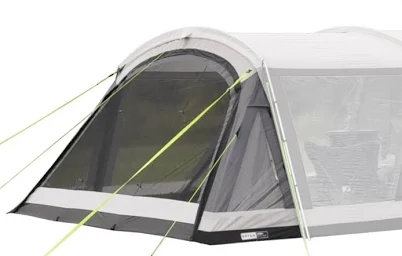
Khyam Family 6 Canopy Enclosure 2023
Skip until brand reveals coating details and PFAS status.
Khyam won't say what PFAS or coating chemistry goes into this canopy enclosure. Waterproof outdoor fabric typically uses water-repellent coating treatments that may contain PFAS without third-party checks.
Still want this one anyway? Check the price on Amazon. We’d swap it.
Material
polyester canopy with unknown waterproof/UV coating
Brand disclosure
Brand is silent on PFAS
Lab data
No public lab test
You may also be interested in
Top-graded picks in the categories readers replace first, every one scored on the same rubric.

Aqua Pure
3M Aqua-Pure AP802B Whole House Filter Housing
- polypropylene filter housing, carbon/sediment cartridge
- We found no PFAS statement from the brand
- Bacterial growth in spent cartridges
3 hazards checked on this product. See all of them.

Aquasure
Premier Series 75 GPD Under Sink Reverse Osmosis Water Filtration System
- RO membrane, carbon filters, stainless steel housing
- We found no PFAS statement from the brand
- Bacterial and microbial growth in housing and filters
4 hazards checked on this product. See all of them.

Avocado
Vegan Mattress
- organic cotton, natural latex, coconut coir, recycled steel coils
- The brand calls it PFAS-free, which we have not verified
- Heavy metals
2 hazards checked on this product. See all of them.
What Khyam Family 6 Canopy Enclosure 2023 is made of, ingredients and materials
The Khyam Family 6 uses a polyester fabric canopy with an unknown waterproof and UV-protective coating system. Polyester itself is a stable synthetic polymer, but the coating chemistry is the critical unknown, conventional tent waterproofing relies on either PFAS-based durable water repellents (water-repellent coating) or polyurethane/acrylic alternatives. Without Khyam's disclosure, you cannot rule out PFAS exposure during rain contact or fabric wear over time. The 2023 model year predates widespread pressure on outdoor brands to abandon PFAS, making older coating formulations more likely.
What’s concerning
Category baseline
The starting point for this type of product, before anything specific to this product is counted.
No PFAS disclosure
No public statement from the brand about PFAS in this product.
Waterproof / stain-resistant treatment
Water-repellent coating treatments have historically used PFAS.
Polyurethane or acrylic coating degradation and leachables
If the waterproof coating is polyurethane-based, prolonged UV and moisture exposure can hydrolyze the polymer, releasing oligomers and plasticizers into water or air. No specific recalls or field reports for Khyam 2023 models are on record, but this is a known failure mode for unprotected coated polyester textiles in outdoor use.
Heavy metals
The canopy's color treatment is not detailed. Lower-cost polyester textiles sometimes use azo dyes containing aromatic amines or cadmium-based pigments, especially in darker colors. No independent testing of Khyam fabrics is available; assume standard commercial polyester dye safety unless certification is provided.
Source, FDA ↗Microparticle and fiber shedding from coating wear
As the waterproof coating wears, polyester microfibers and coating fragments can shed into rain water, groundwater, or soil. This is a known issue with all coated outdoor textiles; risk increases if the canopy is moved frequently or exposed to sharp branches and abrasion.
Off-gassing of volatile organic compounds (VOCs) from coating
New polyester canopies commonly release solvent odors and low-level VOCs for 24-72 hours after purchase. This is not specific to Khyam but is standard for budget to mid-range coated tents; ventilation mitigates risk significantly.
What’s reassuring
Formaldehyde / VOCs
Polyester textiles may be treated with formaldehyde-releasing dyes or wrinkle-resistance resins at manufacture. Khyam does not disclose dye chemistry. Exposure risk is low during normal use (outdoor, well-ventilated), but new canopies may emit low levels during initial setup and storage.
Source, ATSDR ↗The full breakdown
The brand's record and disclosure
Khyam is a UK-based canvas and camping equipment manufacturer with a long heritage but limited public sustainability or chemical transparency statements. No independent certifications (such as Bluesign, GOTS, or explicit PFAS-free claims) appear on record for this model. The brand has not issued public statements about PFAS phase-out timelines or coating material specifications, which is the norm for smaller heritage brands that have not faced consumer or regulatory pressure to disclose.
How it compares in its category
Mid-range family canopy enclosures typically use either acrylic-based or polyurethane-based waterproofing (lower PFAS risk) or silicone coatings (minimal PFAS). Khyam's silence places this product in the uncertain category alongside many heritage tent brands from the 2020-2024 window. Premium brands like Vango and Coleman have begun PFAS disclosures; budget brands sometimes use minimal coating, reducing chemical risk but also durability.
If you buy it
Store the canopy dry and well-ventilated for the first 48 hours to off-gas any volatile coatings. Avoid prolonged direct sunlight when erected, as UV exposure and heat can accelerate coating breakdown and potential leaching. Clean with cool or lukewarm water only; do not use pressure washers or high-heat drying, which can degrade the waterproof layer and increase particle release. Inspect seams and fabric annually for thinning, peeling, or flaking; replace the canopy if the coating visibly deteriorates, as this indicates barrier loss and potential contamination of rain water or contact surfaces.
What we don’t know
- Basis
- Model estimate, 35% confidence, not a lab result
- Lab test
- None on record for this exact product
- Brand statement
- Khyam has made none
Formulations change between production runs, so check the current label. How we grade.
More camping tents & tarps grades
How we score, every product runs through the same public 0-100 rubric based on materials, coatings, brand disclosure, lab findings, and recalls. See the full methodology → Spotted a mistake? Report an error.