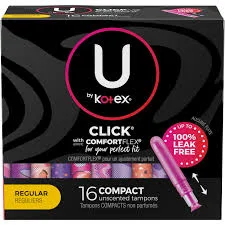
Kimberly-Clark Kotex · Tampons
Kimberly-Clark Professional Tampons, Compact, Kotex, 16/Box, Multi
Lower concern. Fibrous period products carry minimal PFAS risk.
Tampons are primarily cotton and rayon, inherently lower PFAS concern than coated or treated products. Kimberly-Clark discloses no PFAS information, but material type suggests limited risk exposure.
We flunk more products than we pass. This one earned its grade. How we grade
Material
Cotton, rayon, cellulose fibers
Brand disclosure
Brand is silent on PFAS
Lab data
No public lab test
You may also be interested in
Top-graded picks in the categories readers replace first, every one scored on the same rubric.

Aqua Pure
3M Aqua-Pure AP802B Whole House Filter Housing
- polypropylene filter housing, carbon/sediment cartridge
- We found no PFAS statement from the brand
- Bacterial growth in spent cartridges
3 hazards checked on this product. See all of them.

Aquasure
Premier Series 75 GPD Under Sink Reverse Osmosis Water Filtration System
- RO membrane, carbon filters, stainless steel housing
- We found no PFAS statement from the brand
- Bacterial and microbial growth in housing and filters
4 hazards checked on this product. See all of them.

Avocado
Vegan Mattress
- organic cotton, natural latex, coconut coir, recycled steel coils
- The brand calls it PFAS-free, which we have not verified
- Heavy metals
2 hazards checked on this product. See all of them.
What Kimberly-Clark Professional Tampons is made of, ingredients and materials
Kotex Compact tampons are constructed from a blend of cotton and rayon (cellulose fibers), which are absorbent and biodegradable materials commonly used across the menstrual-product category. Rayon is produced via chemical processing of wood pulp but poses minimal chemical residue risk in the final product when manufactured to standard. The fiber blend itself does not undergo coating, glazing, or synthetic polymer treatment, eliminating major chemical-leaching pathways seen in other consumer products.
What’s concerning
Category baseline
Period care is a category where PFAS exposure is more common.
No PFAS disclosure
No public statement about PFAS in this product.
Dioxins from bleaching
Conventional tampons are often bleached to white, a process that historically produced trace dioxins in cellulose fibers. Modern manufacturing has reduced these residues significantly, but conventional Kotex products do not disclose whether elemental chlorine-free (ECF) or totally chlorine-free (TCF) bleaching is used, leaving low-level dioxin presence unconfirmed.
Allergic reactions to fibers or residues
Individual sensitivity to cotton, rayon, or processing residues occurs rarely but is not unique to Kotex. Users with a history of tampon-related irritation should consider patch testing or switching brands; documented allergens are not ingredient-specific.
What’s reassuring
Base material not linked to PFAS
Made from a material with no inherent PFAS use (ceramic, mineral, or natural fiber).
Rayon processing chemicals
Rayon production involves sodium hydroxide and other solvents, but final-product residue is not documented as a hazard in period-care use. No recalls or safety alerts specific to Kotex tampons cite chemical residue from rayon.
Fragrance or additives in compact packaging
Kotex Compact tampons are not marketed as scented or with added fragrances. Packaging may contain print inks or adhesives, but these do not contact the product during use and pose no direct exposure risk.
Applicator materials (if included)
Kotex Compact refers to the tampon size, not explicitly the applicator type in this listing. If plastic applicators are included, they pose minimal exposure unless heated or damaged; cardboard applicators carry no known chemical hazard beyond standard cellulose.
The full breakdown
The brand's record and disclosure
Kimberly-Clark does not publish detailed ingredient transparency or third-party safety certifications specific to its Kotex tampon line. The brand has not faced major documented recalls or safety controversies linked to this product. Kimberly-Clark maintains general product liability and quality-assurance standards but does not actively promote PFAS-free or organic positioning, leaving chemical-exposure claims largely unaddressed in marketing or labeling.
How it compares in its category
Kotex Compact sits in the mainstream commercial segment, competing alongside Tampax and Playtex. These brands offer similar cotton-rayon blends without material performance or safety differentiation. Organic and chlorine-free alternatives (Seventh Generation, Cora, Rael) offer greater transparency and reduced processing chemicals, but Kotex's conventional profile carries no greater documented risk than market peers in the same price tier.
If you buy it
Use tampons as directed on the package; change every 4-8 hours to reduce toxic shock syndrome risk, independent of brand. Store in a cool, dry place away from moisture and contamination. Discontinue use if irritation, odor, or unusual symptoms occur. No special heating, washing, or handling is required; dispose of tampons in standard waste or composting systems per local guidance.
What we don’t know
- Basis
- Model estimate, 72% confidence, not a lab result
- Lab test
- None on record for this exact product
- Brand statement
- Kimberly-Clark Kotex has made none
Formulations change between production runs, so check the current label. How we grade.
Better-graded alternatives in Tampons
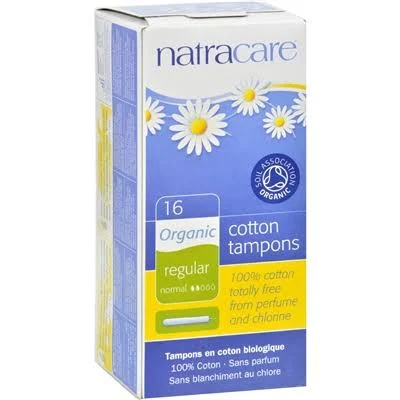
Natracare
100% Organic Cotton Tampons
- 100% organic cotton
- A third party reports verifying it as PFAS-free
- Heavy metals
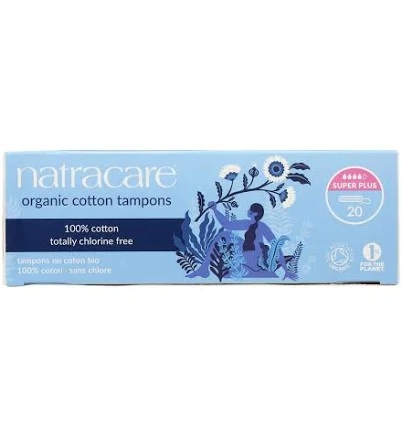
Natracare
Organic Super Plus Tampons, 3 x 20 ct
- organic cotton, cardboard applicator
- The brand calls it PFAS-free, which we have not verified
- Dioxins from bleaching
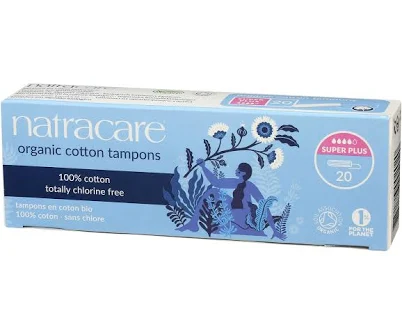
Natracare
Organic Cotton Super Plus Tampons
- organic cotton, no added fluorochemicals
- The brand calls it PFAS-free, which we have not verified
- Verified PFAS-free by a third party
More tampons grades
How we score, every product runs through the same public 0-100 rubric based on materials, coatings, brand disclosure, lab findings, and recalls. See the full methodology → Spotted a mistake? Report an error.