Kimberly-Clark Kotex · Tampons
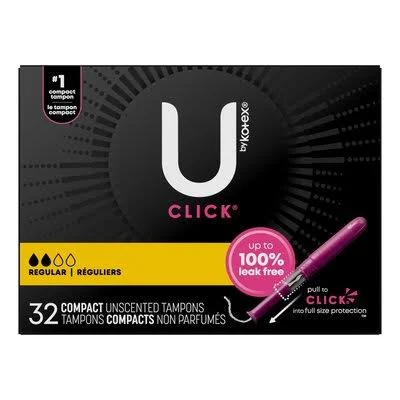
KIMBERLY CLARK U by Kotex Supreme Premium Compact Tampons, Regular, 32 ct, Replaces - 6951583BX at Shoplet
Lower concern. No known PFAS use in tampons; brand silent on PFAS.
Tampons are traditionally cotton or rayon-based without water-repellent coatings that typically contain PFAS. Kimberly-Clark does not disclose PFAS information for this product, but the category carries inherently lower risk than apparel or cookware.
We flunk more products than we pass. This one earned its grade. How we grade
Material
cotton/rayon blend with standard absorption core
Brand disclosure
Brand is silent on PFAS
Lab data
No public lab test
You may also be interested in
Top-graded picks in the categories readers replace first, every one scored on the same rubric.

Aqua Pure
3M Aqua-Pure AP802B Whole House Filter Housing
- polypropylene filter housing, carbon/sediment cartridge
- We found no PFAS statement from the brand
- Bacterial growth in spent cartridges
3 hazards checked on this product. See all of them.

Aquasure
Premier Series 75 GPD Under Sink Reverse Osmosis Water Filtration System
- RO membrane, carbon filters, stainless steel housing
- We found no PFAS statement from the brand
- Bacterial and microbial growth in housing and filters
4 hazards checked on this product. See all of them.

Avocado
Vegan Mattress
- organic cotton, natural latex, coconut coir, recycled steel coils
- The brand calls it PFAS-free, which we have not verified
- Heavy metals
2 hazards checked on this product. See all of them.
What KIMBERLY CLARK U by Kotex Supreme Premium is made of, ingredients and materials
U by Kotex Supreme tampons use a cotton and rayon blend core with a plastic applicator. Rayon (viscose) is chemically processed from cellulose but is fully converted to a stable polymer and poses no inherent chemical risk when used as intended. The plastic applicator is typically polypropylene, which has low leaching potential in the short contact time of insertion. No adhesives, bleach, or fragrance additives are documented in the standard Supreme line, reducing skin irritant exposure.
What’s concerning
Category baseline
Period care is a category where PFAS exposure is more common.
No PFAS disclosure
No public statement about PFAS in this product.
Dioxins from chlorine bleaching
Conventional tampons may be bleached with elemental chlorine, which can generate trace dioxin residues. Kimberly-Clark does not disclose bleaching method; the risk is negligible given absorption and mucosal exposure, but switching to chlorine-free alternatives eliminates this entirely.
Bacterial overgrowth and toxic shock syndrome (TSS)
TSS is a rare but documented risk linked to prolonged tampon use (over 8 hours) and high-absorbency products, not the material itself. This product's regular absorbency is lower risk than super or ultra; proper replacement habits mitigate this hazard.
Rayon synthetic fibers and strand shedding
Rayon fibers can shed microscopic fragments during removal, though no toxicity is established. These are not systemically absorbed and pass through without documented harm; this is an irritation risk only for sensitive individuals.
What’s reassuring
Base material not linked to PFAS
Made from a material with no inherent PFAS use (ceramic, mineral, or natural fiber).
Plastic applicator off-gassing or leaching
Polypropylene applicators do not leach under normal vaginal pH and temperature conditions; no known reports of chemical exposure from applicator contact in the brief insertion window.
Fragrance or additive allergens
U by Kotex Supreme tampons are unscented in the standard formulation, eliminating synthetic fragrance allergen risk that scented variants may carry.
The full breakdown
The brand's record and disclosure
Kimberly-Clark does not publish detailed material safety data or third-party certifications (such as OEKO-TEX or organic certification) for Kotex tampons, which is common industry practice but limits transparency. The brand has faced no major safety recalls or contamination incidents on record for this product line. Kimberly-Clark has not made public commitments to eliminate concerning chemicals, though compliance with FDA tampon regulations (absorbency labeling, sterility) is mandatory.
How it compares in its category
U by Kotex Supreme is a mainstream conventional tampon positioned mid-market; it lacks certifications that brands like Seventh Generation or Cora offer (organic cotton, no bleach chlorine). Compared to store-brand tampons, Kotex maintains tighter quality controls due to brand reputation. Premium organic or chlorine-free alternatives carry reduced chemical exposure in theory, though the practical risk difference for conventional tampons is minimal given the brief contact and vaginal pH environment.
If you buy it
Change tampons every 4-8 hours to reduce bacterial overgrowth risk, regardless of flow absorbency. Do not leave the applicator in place; insert and discard separately to avoid unnecessary contact time. Store in a dry location away from moisture to prevent mold or mildew colonization of the packaging. If you experience irritation, switching to organic or unbleached varieties is a reasonable next step, though standard tampons are suitable for most users.
What we don’t know
- Basis
- Model estimate, 72% confidence, not a lab result
- Lab test
- None on record for this exact product
- Brand statement
- Kimberly-Clark Kotex has made none
Formulations change between production runs, so check the current label. How we grade.
Better-graded alternatives in Tampons
Natracare
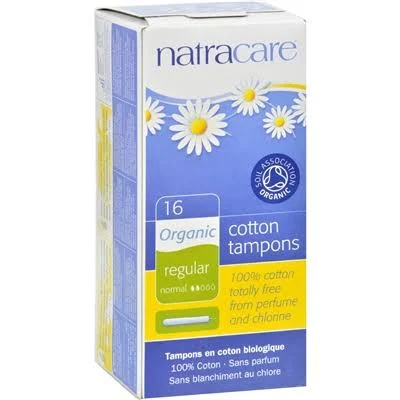
100% Organic Cotton Tampons
- 100% organic cotton
- A third party reports verifying it as PFAS-free
- Heavy metals
Natracare
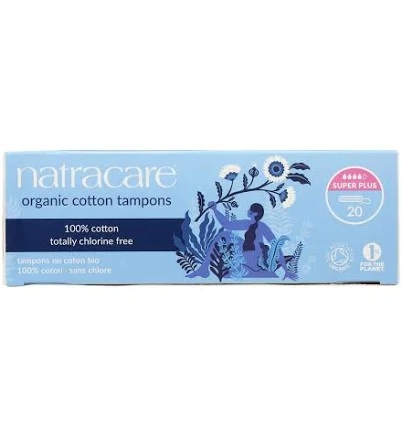
Organic Super Plus Tampons, 3 x 20 ct
- organic cotton, cardboard applicator
- The brand calls it PFAS-free, which we have not verified
- Dioxins from bleaching
Natracare
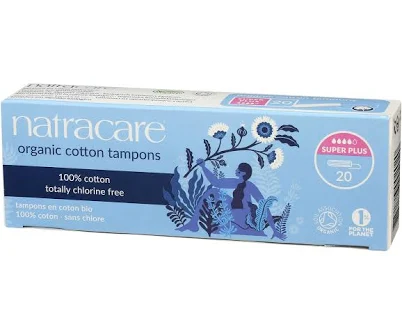
Organic Cotton Super Plus Tampons
- organic cotton, no added fluorochemicals
- The brand calls it PFAS-free, which we have not verified
- Verified PFAS-free by a third party
More tampons grades
How we score, every product runs through the same public 0-100 rubric based on materials, coatings, brand disclosure, lab findings, and recalls. See the full methodology → Spotted a mistake? Report an error.