Kitchenaid · Electric Kettles & Pitchers
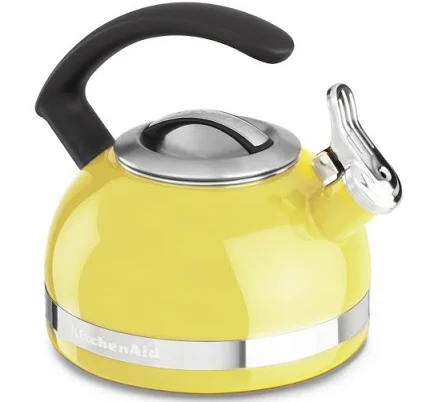
KitchenAid 2.0-Quart Kettle with C Handle and Trim Band KTEN20CB
Plastic with no coating described, and no PFAS statement from the brand.
The product information we reviewed describes enamel on steel stovetop kettle, with no applied coating named. A flexible cutting mat does not need a non-stick coating, and the listing does not describe one. The brand has published no PFAS statement for it.
The better-graded swap
Kitchenaid
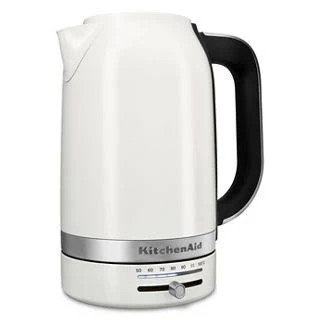
KitchenAid Electric Kettle KEK1701
75/100 safety
Same rubric that flunked this product. The swap earned Excellent.
Still want this one anyway? Check the price on Amazon. We’d swap it.
Material
Enamel on steel stovetop kettle
Lab data
No public lab test
You may also be interested in
Top-graded picks in the categories readers replace first, every one scored on the same rubric.

- polypropylene filter housing, carbon/sediment cartridge
- We found no PFAS statement from the brand
- Bacterial growth in spent cartridges
3 hazards checked on this product, all on its full breakdown.

Aquasure
Premier Series 75 GPD Under Sink Reverse Osmosis Water Filtration System
- RO membrane, carbon filters, stainless steel housing
- We found no PFAS statement from the brand
- Bacterial and microbial growth in housing and filters
4 hazards checked on this product, all on its full breakdown.

Avocado
Vegan Mattress
- organic cotton, natural latex, coconut coir, recycled steel coils
- The brand calls it PFAS-free, which we have not verified
- Heavy metals
2 hazards checked on this product, all on its full breakdown.
What KitchenAid 2.0-Quart Kettle Band KTEN20CB is made of, ingredients and materials
This is a traditional stovetop kettle with a steel body and enamel coating, not electric. The enamel layer is a glass-like ceramic finish fused to steel during manufacturing. Enamel coatings on cookware are inert once cured and do not leach lead or cadmium in modern production, though older or imported enamelware may carry risk. The C handle and trim band are typically stainless steel or painted metal components not in direct contact with water or heat.
What’s concerning
Category baseline
The starting point for this type of product, before anything specific to this product is counted.
No PFAS disclosure
No public statement from the brand about PFAS in this product.
Enamel coating degradation (thermal shock or impact)
Enamel can chip or crack under thermal stress or impact, particularly at seams or the base. Once the underlying steel is exposed, rust can develop and contaminate water; this is a mechanical failure risk, not a chemical leaching one.
What’s reassuring
Base material not linked to PFAS
The main material recorded for this product is not one associated with PFAS.
Lead
No recalls or test reports document lead or cadmium in KitchenAid enamelware. US and EU regulations prohibit these elements in food-contact coatings; the risk is very low for modern, brand-name products manufactured to these standards. Imported or vintage enamel products carry higher risk.
Source, ATSDR ↗Handle material degradation or metal leaching from trim band
Stainless steel handles and trim are not known to leach under normal stovetop use. If painted or plated trim is used, degradation could theoretically expose base metals, but no incidents are documented for this model.
Teflon-type coating or Teflon-family coating fume risk
Enamel-on-steel kettles do not use Teflon-type coating or other non-stick coatings. This hazard class does not apply to this product type. (See separate PFAS assessment for coating-free status.)
Aluminum leaching
The kettle body is steel, not aluminum. This hazard does not apply unless the handle or internal components contain aluminum, which is not on record for this model.
How is this PFAS grade calculated?
The brand's record and disclosure
KitchenAid is a established cookware brand with no documented recalls for this kettle model related to coating failure or leaching. The brand does not publish specific PFAS statements for cookware lines, which is common industry practice for non-coated or enamel-based products. No third-party certifications (such as NSF or GOTS) are typically associated with stovetop kettles, as the hazard profile is lower than non-stick or heavily treated cookware.
How it compares in its category
Enamel stovetop kettles are considered the lowest-risk category for cookware contamination compared to non-stick (Teflon-type coating/PFOA), hard-anodized aluminum, or ceramic-coated alternatives. This product sits in the traditional, durable segment with minimal surface treatment concerns. Longevity and performance depend more on thermal shock resistance and handle durability than on coating degradation.
If you buy it
Avoid rapid temperature changes (do not fill a cold kettle with boiling water or place it directly on high heat); thermal shock can cause enamel to crack or chip. Inspect the enamel regularly for chips or exposed steel; if significant damage occurs, cease use to avoid rust migration into water. Hand wash rather than dishwasher to reduce wear on the enamel and handle attachments. Replace if the handle becomes loose or the enamel develops large cracks that expose the steel substrate.
What is not known about PFAS in this product?
- Basis
- Model estimate, 35% confidence, not a lab result
- Lab test
- None on record for this exact product
- Brand statement
- Kitchenaid has made a specific claim
Formulations change between production runs, so check the current label. How we grade.
What are the PFAS-free alternatives to KitchenAid 2.0-Quart Kettle with C Handle and Trim Band KTEN20CB?
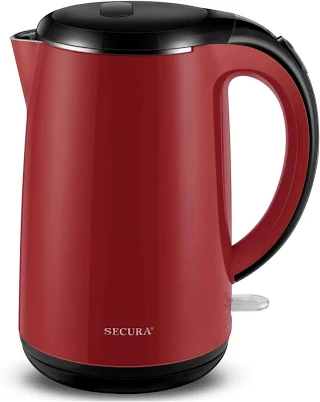
- Stainless steel interior and exterior, no coating
- We found no PFAS statement from the brand
- Stainless steel leaching (chromium/nickel)
3 hazards checked on this product, all on its full breakdown.
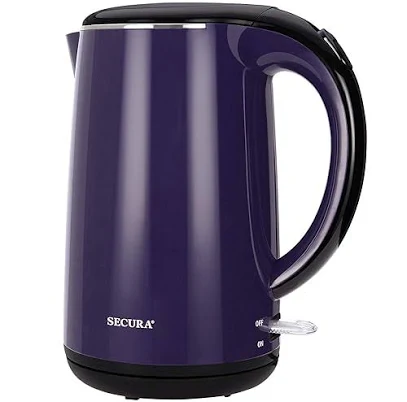
- Stainless steel interior and exterior, no coating
- We found no PFAS statement from the brand
- Nickel leaching from stainless steel
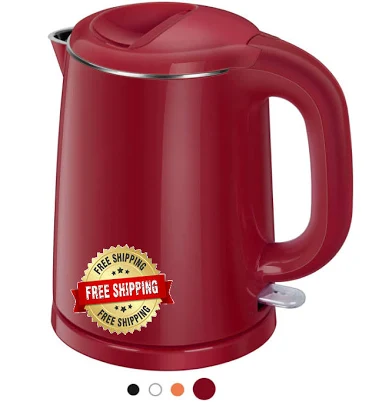
- Stainless steel interior and exterior, no coating
- We found no PFAS statement from the brand
- Nickel leaching from stainless steel
More electric kettles & pitchers grades
How we score, every product runs through the same public 0-100 rubric based on materials, coatings, brand disclosure, lab findings, and recalls. See the full methodology → Spotted a mistake? Report an error.