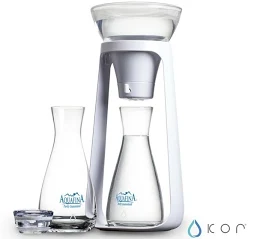
Promotional KOR Waterfall Filtration System - 33ozs
Skip until brand discloses filter and housing materials.
KOR does not publicly disclose filter composition or housing treatment details. Carbon filters are typically lower concern, but lack of transparency on materials and any water-repellent coatings prevents confident assessment.
We flunk more products than we pass. This one earned its grade. How we grade
Material
Plastic bottle with carbon/activated carbon filtration media
Brand disclosure
Brand is silent on PFAS
Lab data
No public lab test
What Promotional KOR Waterfall Filtration is made of, ingredients and materials
The KOR Waterfall uses a plastic bottle housing (material type not specified in public documentation) paired with activated carbon and/or carbon-based filtration media. Activated carbon itself is inert and low concern; the concern is the plastic housing composition (whether BPA-free, what polymer resin, and manufacturing details) and whether the filter cartridge is sealed or prone to bacterial colonization if not maintained. No public specification of housing polymer or filter cartridge construction details is readily available.
What’s concerning
No PFAS disclosure
No public statement from the brand about PFAS in this product.
BPA & bisphenols
The bottle material is plastic, but KOR has not publicly disclosed whether it is BPA-free, what specific resin is used, or if it meets FDA food-contact standards. Without certification or material specification, low-temperature leaching risk cannot be ruled out, especially if the bottle is reused over years.
Source, FDA ↗Bacterial growth in unmaintained filter cartridge
Activated carbon filters, if not replaced or rinsed on schedule, can accumulate biofilm and bacteria, particularly in warm or humid storage conditions. The KOR Waterfall's cartridge design details (whether it is sealed, how easily water can stagnate) are not publicly documented, making maintenance risk assessment incomplete.
Filter cartridge material and breakdown over time
The composition of the carbon media, binding agents, and any plastic support structure in the cartridge is not disclosed. Degradation of cartridge materials at temperature or over extended use is not ruled out, and without transparency, whether cartridge particles or binder chemicals could leach into water is unknown.
What’s reassuring
Base material not linked to PFAS
The main material recorded for this product is not one associated with PFAS.
Temperature stability of housing
No recalls or published warnings exist; however, typical reusable plastic bottles rated for cold or ambient water storage may leach more readily if filled with hot liquids. KOR does not specify a safe temperature range, so users should avoid hot water.
The full breakdown
The brand's record and disclosure
KOR Hydration is known for marketing reusable bottles but has published limited technical safety documentation or third-party certifications for the Waterfall filtration system. The brand does not publicly disclose filter media composition, cartridge replacement intervals, or housing material certifications. No major recalls or contamination incidents are on record for this product, but the absence of proactive disclosure on housing and filter materials limits independent verification.
How it compares in its category
The KOR Waterfall occupies the mid-range promotional/consumer segment. Compared to high-transparency brands (Sawyer, LifeStraw), KOR provides less technical material data; compared to budget alternatives, it emphasizes design and brand positioning. Activated carbon filtration is a standard, well-established approach; the real distinction is whether housing and cartridge materials meet food-contact safety standards, which KOR does not transparently confirm.
If you buy it
Replace or clean the filter cartridge per manufacturer guidance (typically every 3-6 months or 40 gallons, though KOR's exact timeline should be verified). Do not expose the bottle to hot water above 60°C, as plastic degradation risk increases with temperature. Rinse the bottle interior and cap regularly to prevent biofilm buildup, especially if left full between uses. Store dry when not in use; do not leave standing water in the filter media longer than a few days, as unmaintained filters can become a bacterial growth site.
What we don’t know
- Basis
- Model estimate, 68% confidence, not a lab result
- Lab test
- None on record for this exact product
- Brand statement
- KOR has made none
Formulations change between production runs, so check the current label. How we grade.
Better-graded alternatives in Water Filters
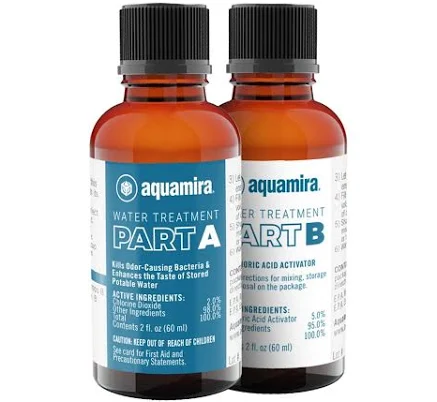
Aquamira
Water Storage Treatment 2 oz Glass Bottles 60 gallons Purification
- glass bottles, sodium dichloroisocyanurate treatment chemical
- We found no PFAS statement from the brand
- Chemical overdose or misuse
5 hazards checked on this product. See all of them.
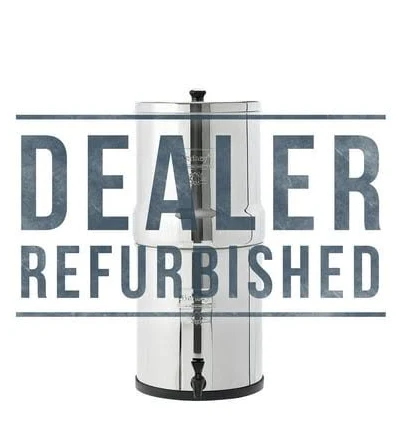
Big Berkey
Empty Housing with NO Filters Included
- Stainless steel housing and spigot
- We found no PFAS statement from the brand
- Bacterial growth and biofilm if filters not replaced
5 hazards checked on this product. See all of them.
LifeStraw
Home Glass Water Filter Pitcher
- Borosilicate glass pitcher, replaceable activated-carbon filter cartridge
- Bacterial growth in filter cartridge if unmaintained
5 hazards checked on this product. See all of them.
More water filters grades
How we score, every product runs through the same public 0-100 rubric based on materials, coatings, brand disclosure, lab findings, and recalls. See the full methodology → Spotted a mistake? Report an error.