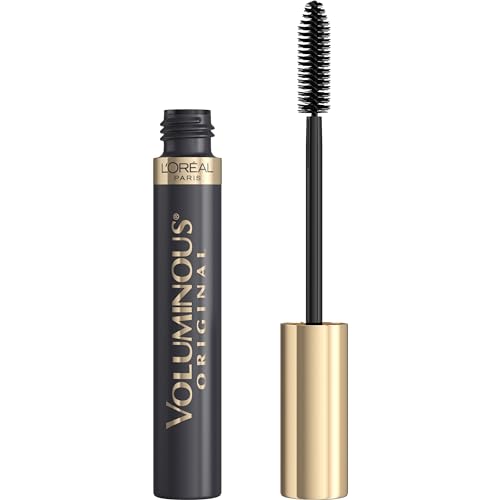
L'Oréal Paris Voluminous Million Lashes Mascara
Waterproof mascara; waterproofing method and coatings not disclosed.
L'Oréal does not disclose PFAS content or waterproofing chemistry for this mascara. Waterproof cosmetics often use Teflon-family coating coatings, but brand silence prevents confirmation.
The better-graded swap
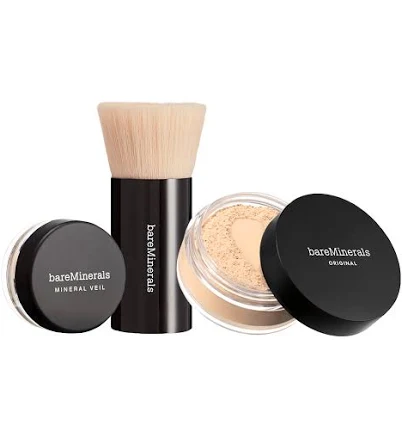
Bare Minerals
bareMinerals Mineral Makeup
100/100 safety
Same rubric that flunked this product. The swap earned Excellent.
Still want this one anyway? Check the price on Amazon. We’d swap it.
Material
wax, film-forming polymers, waterproof coating (unspecified)
Brand disclosure
Brand is silent on PFAS
Lab data
No public lab test
You may also be interested in
Top-graded picks in the categories readers replace first, every one scored on the same rubric.

- polypropylene filter housing, carbon/sediment cartridge
- We found no PFAS statement from the brand
- Bacterial growth in spent cartridges
3 hazards checked on this product, all on its full breakdown.

Aquasure
Premier Series 75 GPD Under Sink Reverse Osmosis Water Filtration System
- RO membrane, carbon filters, stainless steel housing
- We found no PFAS statement from the brand
- Bacterial and microbial growth in housing and filters
4 hazards checked on this product, all on its full breakdown.

Avocado
Vegan Mattress
- organic cotton, natural latex, coconut coir, recycled steel coils
- The brand calls it PFAS-free, which we have not verified
- Heavy metals
2 hazards checked on this product, all on its full breakdown.
What L'Oréal Paris Voluminous Lashes Mascara is made of, ingredients and materials
Voluminous Million Lashes contains wax (likely carnauba or synthetic), film-forming polymers to build and hold lashes, and an unspecified waterproof coating. The waterproofing agent is the critical unknown, waterproof mascaras often rely on silicone, acrylates, or in some cases fluorinated compounds (PFAS), none of which L'Oréal has publicly disclosed for this product. Waxes and standard polymers carry minimal chemical hazard; the waterproof layer is the point of concern.
What’s concerning
Waterproof / stain-resistant treatment
Water-repellent coating treatments have historically used PFAS.
Category baseline
The starting point for this type of product, before anything specific to this product is counted.
No PFAS disclosure
No public statement from the brand about PFAS in this product.
1,4-dioxane contamination
1,4-dioxane is a known contaminant in cosmetics made with ethoxylated surfactants or polymers; no specific testing of this product has been published, but it is a process impurity risk in waterproof film-formers used in mascaras.
PFAS
The waterproof coating method is proprietary and not labeled; waterproof mascaras frequently use fluorinated polymers or high-silicone binders, neither disclosed here, making the true chemical profile of the waterproof layer unknown to consumers.
Source, ATSDR ↗What’s reassuring
Heavy metals
Iron oxides and approved colorants in mascara are generally well-regulated; no recalls or testing data for this specific product indicate heavy metal contamination in the pigment load.
Source, FDA ↗Fragrance allergens
Mascara near the eye area may contain fragrance compounds; L'Oréal does not list specific fragrance allergens in product labeling, though mascaras typically have minimal fragrance vs. perfumes or creams.
Formaldehyde / VOCs
No formaldehyde-releasing preservatives (e.g., imidazolidinyl urea) have been identified in published ingredient lists for this product, though mascara preservative systems are not fully transparent.
Source, ATSDR ↗How is this PFAS grade calculated?
The brand's record and disclosure
L'Oréal Paris does not publicly disclose waterproofing methods or full ingredient sourcing for this mascara line. The brand has not published a clear PFAS policy or committed to phasing fluorinated compounds in cosmetics, despite growing industry pressure. L'Oréal holds some certifications (e.g., cruelty-free claims in some markets) but transparency on microingredients and processing aids remains below leading competitors like Estée Lauder or Caudalie, which have issued PFAS commitments.
How it compares in its category
Waterproof mascaras as a category carry higher uncertainty about PFAS use than non-waterproof formulas because waterproofing typically requires fluorinated or silicone-based additives. L'Oréal's Voluminous line is mid-market in price and widely available, but its lack of waterproofing transparency puts it below brands that explicitly avoid fluorochemicals (e.g., Ilia, Kosas). Non-waterproof mascaras or those from brands with public PFAS restrictions are lower-concern alternatives.
If you buy it
Remove gently with oil-based or micellar water to avoid lash damage; waterproof mascaras require deliberate removal. Replace every 3 months or sooner if you notice clumping, drying, or eye irritation, as old formulas can harbor bacteria. If you have sensitive eyes or skin, patch-test on inner arm first; wax-based products rarely cause issues, but the waterproof binder is untested in your individual profile. Consider requesting L'Oréal's full ingredient disclosure via customer service if PFAS concerns matter to you.
What is not known about PFAS in this product?
- Basis
- Model estimate, 35% confidence, not a lab result
- Lab test
- None on record for this exact product
- Brand statement
- L'Oréal Paris has made none
Formulations change between production runs, so check the current label. How we grade.
What are the PFAS-free alternatives to L'Oréal Paris Voluminous Million Lashes Mascara?
- The brand calls it PFAS-free, which we have not verified
- Lead
3 hazards checked on this product, all on its full breakdown.
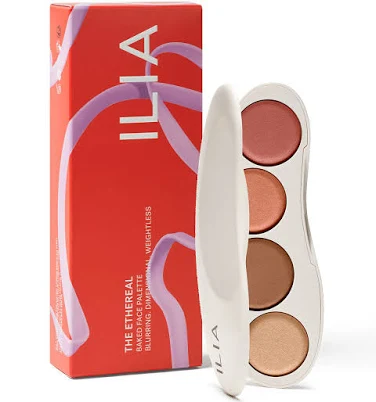
- We found no PFAS statement from the brand
- Heavy metals
2 hazards checked on this product, all on its full breakdown.
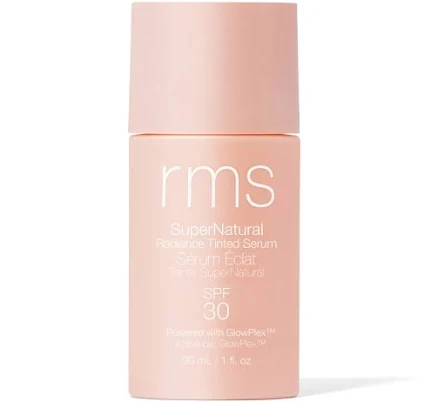
- We found no PFAS statement from the brand
- Fragrance allergens and essential oils
2 hazards checked on this product, all on its full breakdown.
More cosmetics grades
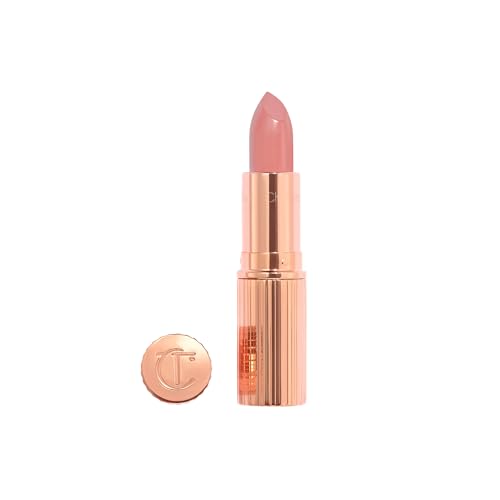 75Charlotte Tilbury Pillow Talk Lipstick
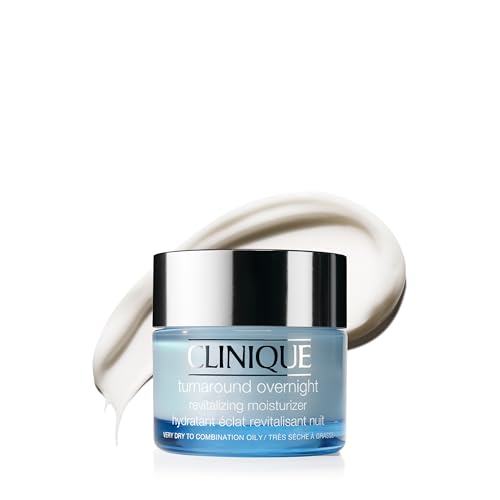 75Clinique Turnaround Overnight Revitalizing Moisturizer
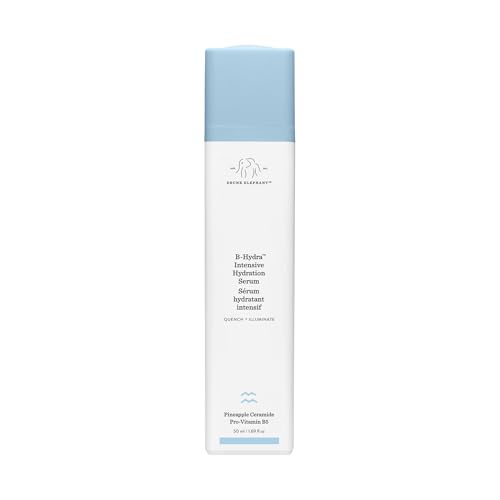 75Drunk Elephant B-Hydra Intensive Hydration Serum
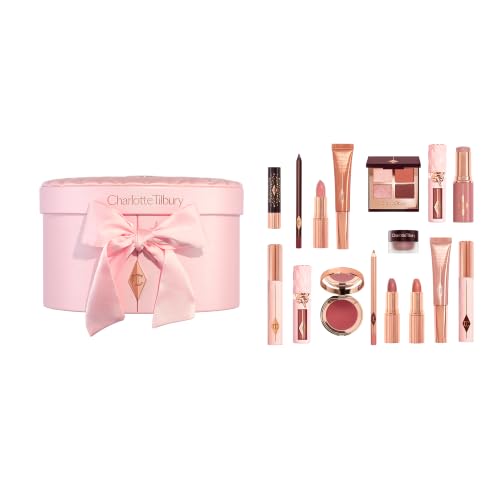 75Charlotte Tilbury Pillow Talk Dreams Come True
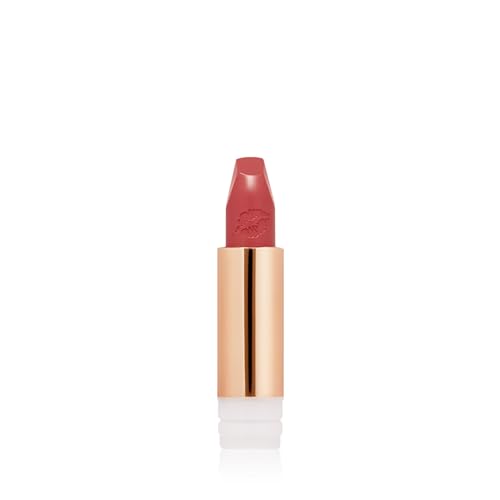 75Charlotte Tilbury Hot Lips 2 Refill
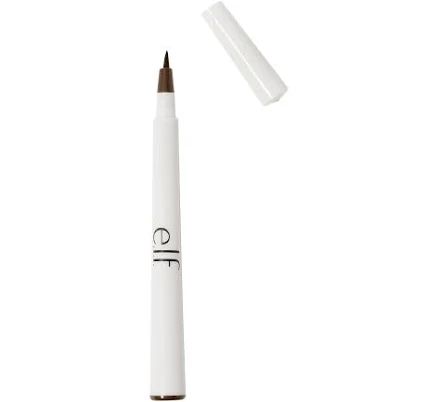 30Waterproof Eyeliner (generic)
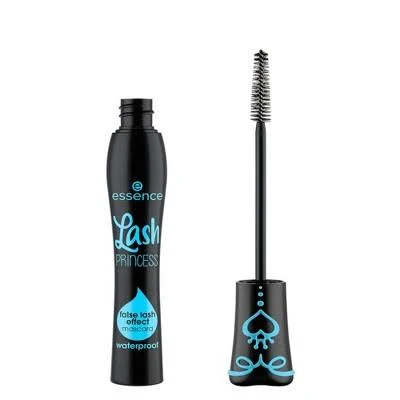 30Waterproof Mascara (generic)
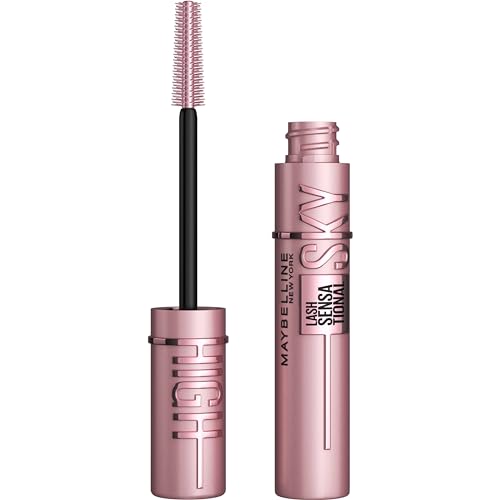 30Maybelline Lash Sensational Sky High Washable Mascara
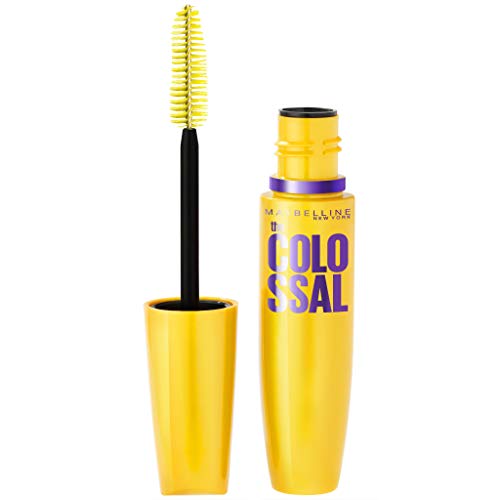 30Maybelline Volum Express Colossal Washable Mascara
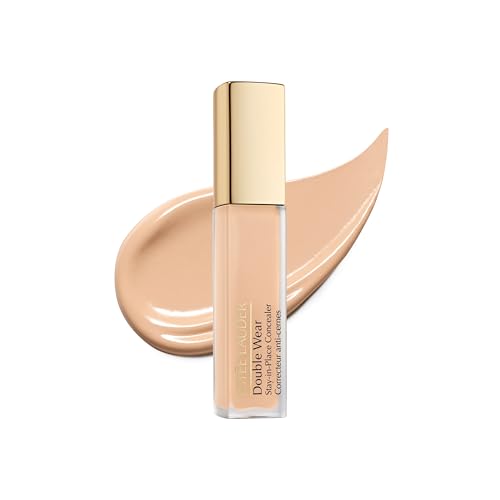 30Estée Lauder Double Wear Stay-in-Place 24-Hour ConcealerCompare vs Bare Minerals →All cosmetics →
How we score, every product runs through the same public 0-100 rubric based on materials, coatings, brand disclosure, lab findings, and recalls. See the full methodology → Spotted a mistake? Report an error.