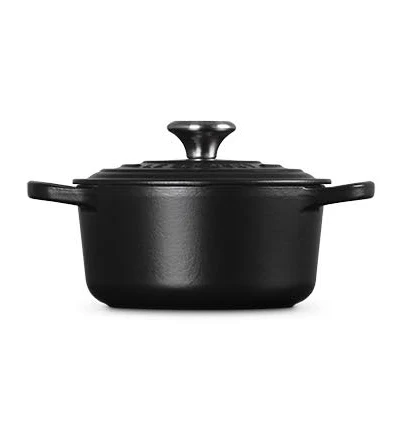
Le Creuset Enameled Cast Iron Round French Oven, Is It Non-Toxic?
Lower concern. Enameled cast iron with no coating on record linked to PFAS.
Material as recorded is enameled cast iron. The enamel glaze is not a material linked to PFAS. The brand has no PFAS statement on record and no lab data on this product.
Still want this one anyway? Check the price on Amazon. We’d swap it.
Material
enameled cast iron (enamel glaze over cast iron base)
Lab data
No public lab test
You may also be interested in
Top-graded picks in the categories readers replace first, every one scored on the same rubric.

- polypropylene filter housing, carbon/sediment cartridge
- We found no PFAS statement from the brand
- Bacterial growth in spent cartridges
3 hazards checked on this product, all on its full breakdown.

Aquasure
Premier Series 75 GPD Under Sink Reverse Osmosis Water Filtration System
- RO membrane, carbon filters, stainless steel housing
- We found no PFAS statement from the brand
- Bacterial and microbial growth in housing and filters
4 hazards checked on this product, all on its full breakdown.

Avocado
Vegan Mattress
- organic cotton, natural latex, coconut coir, recycled steel coils
- The brand calls it PFAS-free, which we have not verified
- Heavy metals
2 hazards checked on this product, all on its full breakdown.
Is Le Creuset Enameled Cast Iron French Oven non-toxic? What it is made of
Le Creuset's French ovens are cast iron cores coated with a vitreous enamel glaze, typically formulated from silica, feldspar, and metal oxides fused at high temperature. This enamel layer is chemically inert once cured and does not require fluorinated coatings (Teflon-type coating) for non-stick properties. The enameled surface is the primary food-contact layer; cast iron beneath is sealed and does not directly leach into food under normal use.
What’s concerning
Category baseline
The starting point for this type of product, before anything specific to this product is counted.
No PFAS disclosure
No public statement from the brand about PFAS in this product.
Enamel coating degradation and flaking
Thermal shock, metal utensils, and acidic foods can gradually weaken enamel integrity over years. Flaked enamel poses no direct toxicity but exposes bare cast iron beneath, which may oxidize or require re-seasoning. Le Creuset's lifetime warranty addresses structural failure but not cosmetic wear.
What’s reassuring
Base material not linked to PFAS
The main material recorded for this product is not one associated with PFAS.
Lead
No public recalls or test results documenting lead/cadmium migration from Le Creuset enameled cookware. Enamel composition is not disclosed, but traditional firing methods and premium brand reputation suggest compliance with US FDA limits. Risk increases only if enamel is visibly cracked or heavily scratched.
Source, ATSDR ↗Aluminum leaching from cast iron body
Enameled cast iron bodies contain negligible aluminum; the enamel barrier prevents iron itself from leaching in significant amounts under normal use. This hazard is not a concern for this product class.
Teflon-type coating fume release (Teflon/non-stick)
Le Creuset enameled cast iron does not use Teflon-type coating or fluorinated coatings. This hazard does not apply to this product.
Formaldehyde / VOCs
Industrial enamel firing at high temperature drives off volatile compounds; finished cookware does not off-gas formaldehyde or VOCs under normal stovetop or oven use. No evidence of residual emissions from this product category.
Source, ATSDR ↗How is this PFAS grade calculated?
The brand's record and disclosure
Le Creuset does not publicly disclose detailed enamel glaze composition or heavy-metal testing results, which is typical for heritage cookware brands but limits transparency. The company has no established recalls for lead or cadmium contamination of enameled cookware in recent decades. They offer lifetime warranties on enamel integrity, suggesting confidence in coating durability, though they remain silent on PFAS-related policies.
How it compares in its category
Enameled cast iron avoids Teflon-type coating fume risks present in non-stick alternatives and eliminates aluminum leaching concerns of bare cast iron or aluminum cookware. It sits at the premium end of durability and thermal mass compared to ceramic or stainless-steel Dutch ovens. Cost and weight are higher, but chemical safety profile is stronger than non-stick competitors.
If you buy it
Avoid thermal shock (rapid temperature changes); hand wash and dry promptly to prevent moisture pooling on enamel. Inspect the enamel coating regularly for chips or cracks; once compromised, bare cast iron can oxidize and require re-seasoning. Use on stovetop and in oven up to 500 degrees Fahrenheit (check product label for exact limit). Replace if enamel cracking becomes extensive, as the seal is no longer reliable.
What is not known about PFAS in this product?
- Basis
- Model estimate, 88% confidence, not a lab result
- Lab test
- None on record for this exact product
- Brand statement
- Le Creuset has made a specific claim
Formulations change between production runs, so check the current label. How we grade.
More dutch ovens grades
How we score, every product runs through the same public 0-100 rubric based on materials, coatings, brand disclosure, lab findings, and recalls. See the full methodology → Spotted a mistake? Report an error.