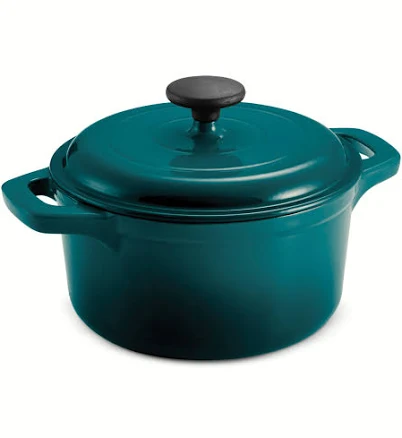
Tramontina Covered Round Dutch Oven Enameled Cast Iron, Is It Non-Toxic?
Lower PFAS concern; enameled cast iron is a proven cookware material without nonstick coatings.
Vitreous enamel (glass-based) fused to cast iron, a cookware style unconnected to PFAS. Tramontina doesn't claim PFAS-free, but material selection itself suggests lower risk.
Still want this one anyway? Check the price on Amazon. We’d swap it.
Material
enameled cast iron (vitreous enamel coating over cast iron)
Lab data
No public lab test
You may also be interested in
Top-graded picks in the categories readers replace first, every one scored on the same rubric.

- polypropylene filter housing, carbon/sediment cartridge
- We found no PFAS statement from the brand
- Bacterial growth in spent cartridges
3 hazards checked on this product, all on its full breakdown.

Aquasure
Premier Series 75 GPD Under Sink Reverse Osmosis Water Filtration System
- RO membrane, carbon filters, stainless steel housing
- We found no PFAS statement from the brand
- Bacterial and microbial growth in housing and filters
4 hazards checked on this product, all on its full breakdown.

Avocado
Vegan Mattress
- organic cotton, natural latex, coconut coir, recycled steel coils
- The brand calls it PFAS-free, which we have not verified
- Heavy metals
2 hazards checked on this product, all on its full breakdown.
Is Tramontina Covered Round Dutch Cast Iron non-toxic? What it is made of
This Dutch oven combines cast iron (iron with carbon) as the core with a vitreous enamel coating (fused glass-like surface made from silica, borax, and mineral pigments). The enamel seals the iron, preventing rust and iron leaching while creating a non-reactive cooking surface. Vitreous enamel is chemically inert once cured and does not require Teflon-type coating or other Teflon-family coating, making it fundamentally different from nonstick cookware.
What’s concerning
Category baseline
The starting point for this type of product, before anything specific to this product is counted.
No PFAS disclosure
No public statement from the brand about PFAS in this product.
Enamel coating degradation and flaking
Enameled cast iron can chip or craze with thermal shock (sudden temperature changes) or impact, exposing cast iron underneath. While minor cosmetic crazing is common and harmless, significant flaking could allow iron leaching into acidic foods or rust formation. Tramontina's enamel durability is not extensively documented; longevity depends on care and manufacturing batch consistency.
Iron leaching from bare cast iron if enamel chips
If enamel flakes away, bare cast iron becomes exposed and can leach iron into acidic foods (tomatoes, wine, vinegar), though the amount is usually modest and not toxic. For most people, excess dietary iron is not a health concern, but those with hemochromatosis should avoid cooking with damaged enameled cast iron.
Thermal stress cracking of enamel
Sudden temperature changes (e.g., hot Dutch oven into cold water or from stovetop to cool surface) can cause enamel to crack or craze. This is a durability issue rather than a direct chemical hazard, but it can lead to the iron-leaching and rust issues described above.
What’s reassuring
Base material not linked to PFAS
The main material recorded for this product is not one associated with PFAS.
Lead
Vitreous enamel formulations used in modern cookware by major manufacturers are not known to contain lead or cadmium; no recalls or test failures have been documented for Tramontina enameled cast iron. Historical enamel glazes sometimes contained these metals, but contemporary recipes do not.
Source, ATSDR ↗Teflon-type coating or other Teflon-family coating coatings
Vitreous enameled cast iron does not use Teflon-type coating, PFOA, or other Teflon-family coating by design. This product avoids the fume inhalation and degradation risks associated with traditional nonstick cookware.
How is this PFAS grade calculated?
The brand's record and disclosure
Tramontina is a Brazilian cookware manufacturer owned by Groupe SEB and does not publish detailed material safety disclosures or PFAS statements. No major recalls or enamel-coating safety issues have been publicly documented for their enameled cast iron line. The brand has a long manufacturing history in cookware but maintains minimal transparency on enamel formulation or heavy metal testing.
How it compares in its category
Enameled cast iron Dutch ovens (Tramontina, Le Creuset, Staub) are a lower concern category within covered cookware because they do not use Teflon-type coating or nonstick coatings that can degrade. Cast iron itself is inert and durable for decades; the main variable is enamel chip resistance and coating durability over time. Tramontina's pricing sits below premium brands (Le Creuset) while using comparable vitreous enamel technology, trading brand heritage for cost.
If you buy it
Avoid temperatures above 500°F to prevent enamel stress and potential flaking; most recipes do not require higher heat. Hand wash and dry promptly to prevent water spots and staining, though the enamel itself resists corrosion. Inspect the enamel annually for chips or crazing; small cosmetic chips present no hazard of this kind on record, but large flaking exposing bare cast iron may allow rust and iron leaching over time. Season exposed iron spots with oil if chipping occurs, or retire the piece if damage is extensive.
What is not known about PFAS in this product?
- Basis
- Model estimate, 85% confidence, not a lab result
- Lab test
- None on record for this exact product
- Brand statement
- Tramontina has made a specific claim
Formulations change between production runs, so check the current label. How we grade.
More dutch ovens grades
How we score, every product runs through the same public 0-100 rubric based on materials, coatings, brand disclosure, lab findings, and recalls. See the full methodology → Spotted a mistake? Report an error.