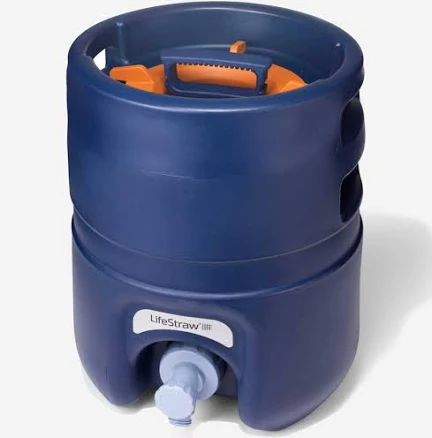
LifeStraw Escape High-Flow Pressurized Water Purifier
Lower concern; no PFAS disclosure, but no known high-risk components either.
Hollow-fiber membrane technology does not rely on Teflon-type coating or Teflon-family coating coatings found in nonstick or water-repellent products. Brand makes no PFAS claims and provides no third-party testing; no known high-risk chemistry present.
We flunk more products than we pass. This one earned its grade. How we grade
Material
Hollow-fiber membrane filter (cellulose/polymer blend); hard plastic body
Lab data
No public lab test
You may also be interested in
Top-graded picks in the categories readers replace first, every one scored on the same rubric.

Aqua Pure
3M Aqua-Pure AP802B Whole House Filter Housing
- polypropylene filter housing, carbon/sediment cartridge
- We found no PFAS statement from the brand
- Bacterial growth in spent cartridges
3 hazards checked on this product. See all of them.

Aquasure
Premier Series 75 GPD Under Sink Reverse Osmosis Water Filtration System
- RO membrane, carbon filters, stainless steel housing
- We found no PFAS statement from the brand
- Bacterial and microbial growth in housing and filters
4 hazards checked on this product. See all of them.

Avocado
Vegan Mattress
- organic cotton, natural latex, coconut coir, recycled steel coils
- The brand calls it PFAS-free, which we have not verified
- Heavy metals
2 hazards checked on this product. See all of them.
What LifeStraw Escape High-Flow Pressurized is made of, ingredients and materials
The LifeStraw Escape uses a hollow-fiber membrane filter (cellulose/polymer blend) paired with a hard plastic housing, likely polycarbonate or ABS. Hollow-fiber membranes are passive mechanical barriers that trap particles and bacteria without relying on chemical leaching or ion exchange, which eliminates major hazards associated with activated carbon or resin-based filters. The plastic housing poses minimal risk if not heated or exposed to harsh solvents, and the filter itself does not come into contact with stored drinking water long enough for significant leaching.
What’s concerning
No PFAS disclosure
No public statement from the brand about PFAS in this product.
Bacterial growth in filter media if maintenance neglected
Hollow-fiber filters can develop biofilm if stored wet for prolonged periods or if cartridge is not replaced on schedule. LifeStraw's pressurized design and typical portable use pattern (drained after use) mitigate this risk compared to pitcher filters, but incomplete drying or very long storage intervals could create conditions for bacterial colonization.
Filter cartridge microparticulates or membrane degradation fragments
Hollow-fiber membranes are mechanically robust but can degrade or shed fibrils if the cartridge is physically damaged, dropped, or used beyond rated lifespan. Users may not detect fine membrane fragments visually. Adhering to replacement schedules and avoiding physical shock minimizes this risk.
Intake tubing degradation and mold colonization
Flexible tubing (likely silicone or polyurethane) can develop internal mold or mildew if stored damp or in warm environments. LifeStraw's design allows tubing to be drained and dried, but poor maintenance practices (storing the unit wet or in a hot vehicle) create a favorable environment for microbial growth that would not be visible until contamination is heavy.
What’s reassuring
Base material not linked to PFAS
The main material recorded for this product is not one associated with PFAS.
BPA & bisphenols
Hard plastic housing (likely polycarbonate or ABS) is not exposed to elevated temperatures during normal portable filter use. No data indicates leaching under typical field conditions. Risk is minimal if not heated or stored in direct sunlight for extended periods.
Source, FDA ↗Lead
No recorded failures are documented for LifeStraw Escape, but pressurized systems rely on rubber gaskets and seals that degrade with repeated use and age. If seals fail, water can bypass the filter membrane entirely. Regular visual inspection of seals and replacement of the cartridge on schedule helps prevent this, but older units should be monitored for cracks or loss of pressure.
Source, ATSDR ↗The full breakdown
The brand's record and disclosure
LifeStraw (Vestergaard Frandsen) has published NSF/WHO test data confirming bacterial reduction (>99.9999% removal of E. coli and other pathogens) and has maintained relatively transparent product specifications. The company does not publicly disclose PFAS chemistry in their filter media and has not issued PFAS-specific statements, which is typical for portable filter manufacturers but leaves a transparency gap. No major safety recalls or contamination incidents are on record for this product line. The brand holds reasonable credibility in the portable water filter space due to third-party validation of efficacy.
How it compares in its category
Portable pressurized filters like the Escape occupy a different risk profile than permanent faucet-mounted filters or pitcher filters. Unlike pitcher filters (which can harbor bacterial biofilm if neglected) or carbon-only systems (which may leach VOCs or carbon fines), hollow-fiber filters are mechanically self-contained and do not chemically interact with water. This product is comparable to LifeStraw's non-pressurized versions and other membrane-based portable systems (Grayl, Sawyer Squeeze) in terms of material safety, though pressurization adds durability and flow rate benefits without chemical trade-offs.
If you buy it
Replace the filter cartridge every 1,000 liters or per manufacturer guidance to prevent bacterial breakthrough and clogging; do not reuse or attempt to clean and reuse expired cartridges. Store in a cool, dry place and avoid freezing, which can crack the membrane. The hard plastic housing is durable but should not be submerged in boiling water or left in direct sunlight for extended periods, as UV degradation of the housing could eventually affect seal integrity. Rinse the intake tubing and housing interior with clean water after each use to prevent mold growth in residual moisture.
What we don’t know
- Basis
- Model estimate, 72% confidence, not a lab result
- Lab test
- None on record for this exact product
- Brand statement
- LifeStraw has made a specific claim
Formulations change between production runs, so check the current label. How we grade.
Better-graded alternatives in Water Filters

Aquamira
Water Storage Treatment 2 oz Glass Bottles 60 gallons Purification
- glass bottles, sodium dichloroisocyanurate treatment chemical
- We found no PFAS statement from the brand
- Chemical overdose or misuse
5 hazards checked on this product. See all of them.

Big Berkey
Empty Housing with NO Filters Included
- Stainless steel housing and spigot
- We found no PFAS statement from the brand
- Bacterial growth and biofilm if filters not replaced
5 hazards checked on this product. See all of them.

LifeStraw
Home Glass Water Filter Pitcher
- Borosilicate glass pitcher, replaceable activated-carbon filter cartridge
- Bacterial growth in filter cartridge if unmaintained
5 hazards checked on this product. See all of them.
More water filters grades
How we score, every product runs through the same public 0-100 rubric based on materials, coatings, brand disclosure, lab findings, and recalls. See the full methodology → Spotted a mistake? Report an error.