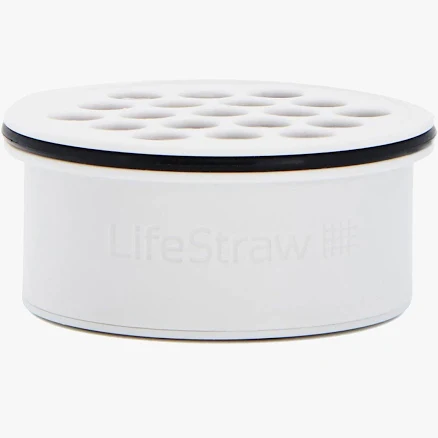
LifeStraw Home Carbon Replacement Filter
Lower concern; carbon filters don't typically require PFAS, though brand offers no transparency.
Activated carbon filter that does not inherently require PFAS chemicals for performance. Brand makes no PFAS claims, disclosures, or public statements about sourcing and manufacturing.
We flunk more products than we pass. This one earned its grade. How we grade
Material
activated carbon filter media
Lab data
No public lab test
You may also be interested in
Top-graded picks in the categories readers replace first, every one scored on the same rubric.

Aqua Pure
3M Aqua-Pure AP802B Whole House Filter Housing
- polypropylene filter housing, carbon/sediment cartridge
- We found no PFAS statement from the brand
- Bacterial growth in spent cartridges
3 hazards checked on this product. See all of them.

Aquasure
Premier Series 75 GPD Under Sink Reverse Osmosis Water Filtration System
- RO membrane, carbon filters, stainless steel housing
- We found no PFAS statement from the brand
- Bacterial and microbial growth in housing and filters
4 hazards checked on this product. See all of them.

Avocado
Vegan Mattress
- organic cotton, natural latex, coconut coir, recycled steel coils
- The brand calls it PFAS-free, which we have not verified
- Heavy metals
2 hazards checked on this product. See all of them.
What LifeStraw Home Carbon Replacement Filter is made of, ingredients and materials
This replacement filter is primarily activated carbon, a porous form of carbon created by heating carbon sources (often coconut shells or wood) in a controlled atmosphere. Activated carbon works by adsorption, trapping contaminants in its pores rather than releasing chemicals into water. The filter housing is typically food-grade plastic or composite material. Activated carbon itself is inert and does not leach harmful compounds into water under normal faucet conditions, and no regulated heavy metals or organic contaminants are known to migrate from properly manufactured activated carbon media.
What’s concerning
No PFAS disclosure
No public statement from the brand about PFAS in this product.
Bacterial growth in saturated or unmaintained carbon
Activated carbon provides a porous habitat; if filters are not replaced on schedule or water stagnates in the housing, bacteria can colonize the media. This is a general property of all carbon filters, not specific to LifeStraw, and is managed by regular replacement and proper storage.
Activated carbon dust or fine particle migration into drinking water
If a filter is damaged or not properly seated, fine carbon particles can pass into water. This is generally cosmetic and non-toxic but can discolor water or cause minor GI irritation in high amounts; always inspect the filter before installation and ensure a tight seal.
Incomplete contaminant removal if filter is oversaturated
Activated carbon has a finite adsorption capacity; if not replaced on time, it loses effectiveness against chlorine, some organic compounds, and volatile organic chemicals. This is a performance hazard rather than a chemical hazard, but it can result in exposure to unfiltered contaminants if replacement schedules are ignored.
What’s reassuring
Base material not linked to PFAS
The main material recorded for this product is not one associated with PFAS.
Filter housing material leaching (plastic or composite housing)
LifeStraw does not publicly disclose the exact composition of the filter cartridge housing. No documented cases of leaching from LifeStraw filter housings have been reported, and food-contact plastics used in major filter brands are typically regulated for BPA and phthalates, but independent verification for this specific product is not readily available.
Heavy metals
Activated carbon is derived from organic sources (coconut shell, wood) that could theoretically contain trace metals depending on soil origin. No contamination has been documented in commercial water filter carbons, and manufacturers typically screen feedstock, but LifeStraw does not publish heavy metal test results for its carbon media.
Source, FDA ↗The full breakdown
The brand's record and disclosure
LifeStraw has published third-party test data showing effectiveness against bacterial and chemical contaminants, and the brand markets its products as NSF-certified for certain claims. However, LifeStraw has not publicly disclosed detailed sourcing practices for activated carbon or housing materials, nor has the brand released specific statements on PFAS avoidance in manufacturing or supply chains. No major product recalls or safety controversies have been documented for LifeStraw's filter products in public records. The brand's focus on emerging-market and humanitarian uses suggests quality control is important to their positioning, but transparency on manufacturing standards could be stronger.
How it compares in its category
Activated carbon replacement filters are among the most widely used point-of-use water treatment media available; they carry significantly lower chemical leaching risk than some pitcher filters or undersink systems with mixed media. LifeStraw's carbon filter is competitively positioned against Brita, PUR, and ZeroWater replacement cartridges, all of which use similar activated carbon cores. The main differentiator is housing material quality and seal design rather than the carbon itself. LifeStraw's housing design and replacement frequency align with industry standards; no comparative safety advantage or deficit versus major competitors is evident from available data.
If you buy it
Replace filters according to LifeStraw's recommended schedule (typically 2-3 months for average use or per the flow rate decline indicator if present), as exhausted carbon loses adsorption capacity and may harbor bacterial growth if water sits stagnant. Do not heat the filter or expose it to temperatures above 45°C; activated carbon can release trapped contaminants if thermally stressed. Ensure the filter housing clicks or seals properly into the faucet mount to prevent bypass. Store replacement filters in a dry location away from direct sunlight, as activated carbon can absorb odors and moisture from air if left exposed for extended periods.
What we don’t know
- Basis
- Model estimate, 72% confidence, not a lab result
- Lab test
- None on record for this exact product
- Brand statement
- LifeStraw has made a specific claim
Formulations change between production runs, so check the current label. How we grade.
Better-graded alternatives in Water Filters

Aquamira
Water Storage Treatment 2 oz Glass Bottles 60 gallons Purification
- glass bottles, sodium dichloroisocyanurate treatment chemical
- We found no PFAS statement from the brand
- Chemical overdose or misuse
5 hazards checked on this product. See all of them.

Big Berkey
Empty Housing with NO Filters Included
- Stainless steel housing and spigot
- We found no PFAS statement from the brand
- Bacterial growth and biofilm if filters not replaced
5 hazards checked on this product. See all of them.

LifeStraw
Home Glass Water Filter Pitcher
- Borosilicate glass pitcher, replaceable activated-carbon filter cartridge
- Bacterial growth in filter cartridge if unmaintained
5 hazards checked on this product. See all of them.
More water filters grades
How we score, every product runs through the same public 0-100 rubric based on materials, coatings, brand disclosure, lab findings, and recalls. See the full methodology → Spotted a mistake? Report an error.